Every few years a film arrives that the industry has already declared unmakeable. Sometimes the verdict comes from studio accountants, sometimes from the crew, sometimes from the author of the book being adapted, and sometimes from physics itself. The ocean will not behave, the actors will grow older, the camera cannot go where the story needs it to go, and the technology to show what the script describes has not been invented yet.
The twenty films below were all told, in one form or another, that they could not be done. Each one was made anyway, and each one changed what filmmakers believed was possible. Some solved the problem with patience, some with brute force, and some by inventing new tools. Together they trace the history of cinema as a long argument between ambition and reality.
When time itself was the obstacle
1. Boyhood (2014)
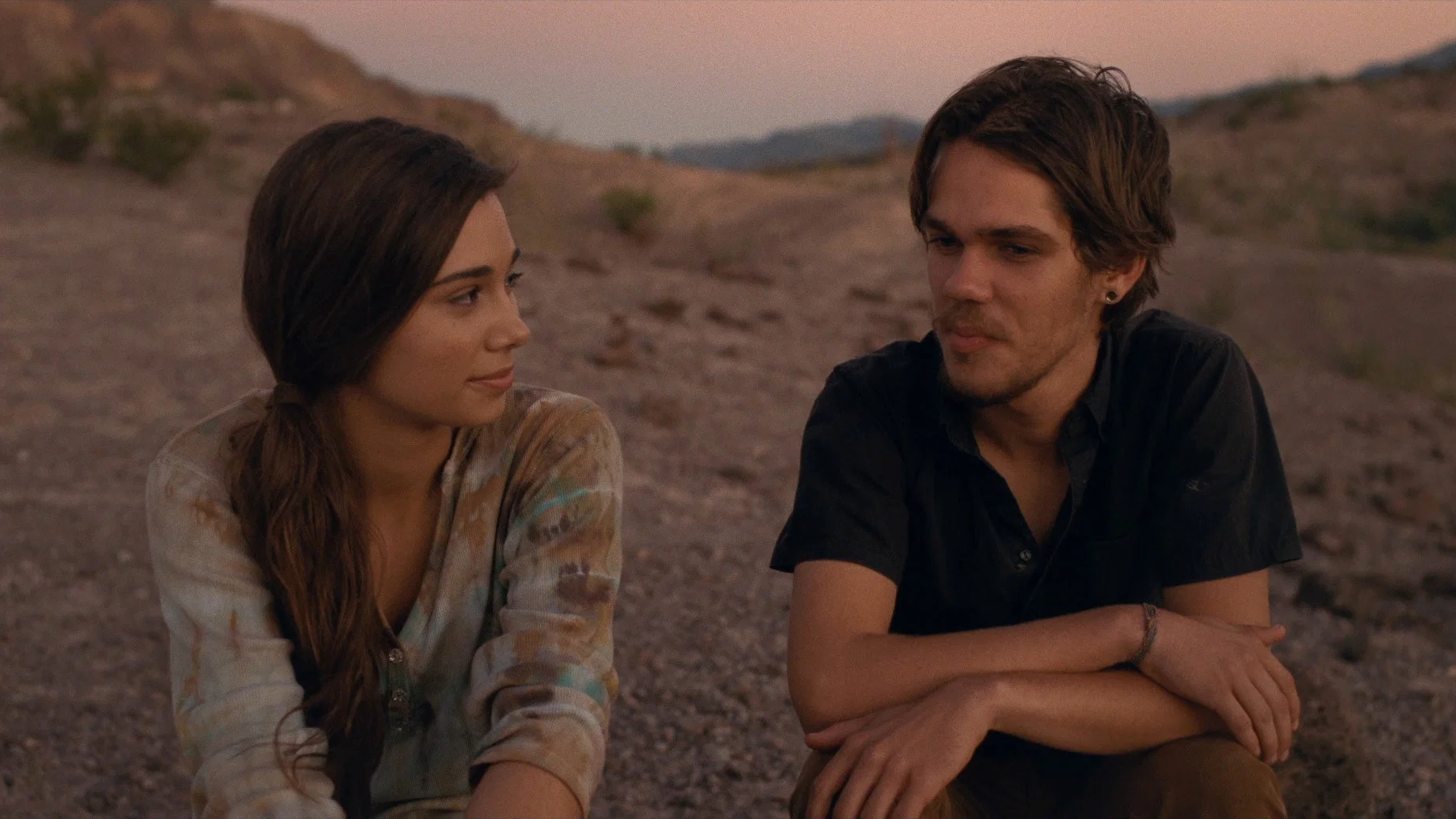
Richard Linklater’s plan ran against the entire business model of filmmaking: shoot a few days every year with the same cast for twelve years and let the characters age in real time. Principal photography ran from 2002 to 2013. No studio could guarantee that the financing, the actors or the director would still be around at the end. The result is a coming-of-age story in which Ellar Coltrane grows from a child into a young adult on screen, something no makeup department could ever fake.
2. Cast Away (2000)
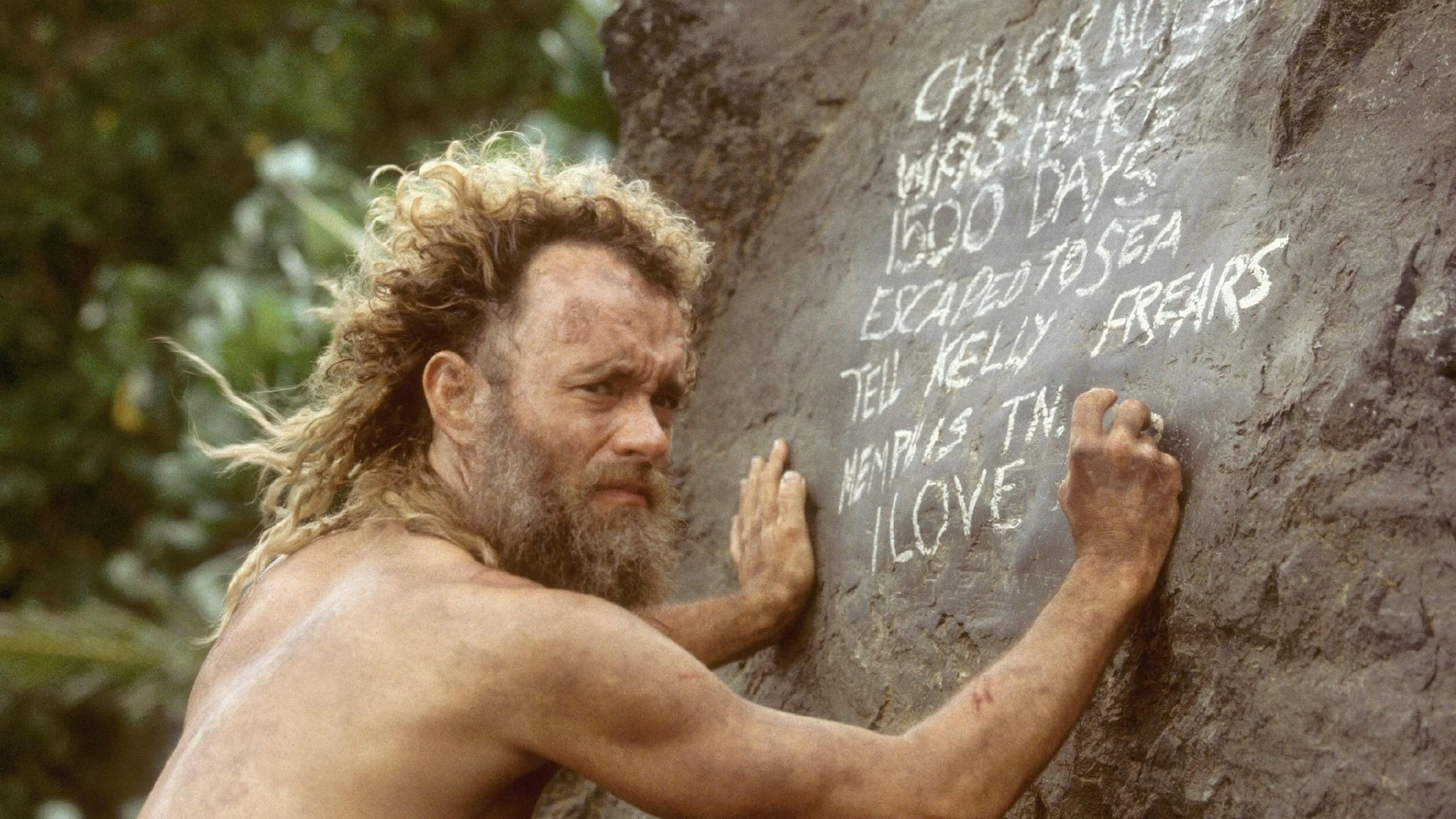
A man alone on an island for four years cannot be portrayed by an actor who looks the same throughout. Director Robert Zemeckis shut production down for roughly a year so that Tom Hanks could lose dozens of pounds and grow out his hair and beard. During the break, Zemeckis made an entirely different film, What Lies Beneath, before reassembling the crew to shoot the island’s second half. The physical transformation on screen is real.
3. Avatar (2009)
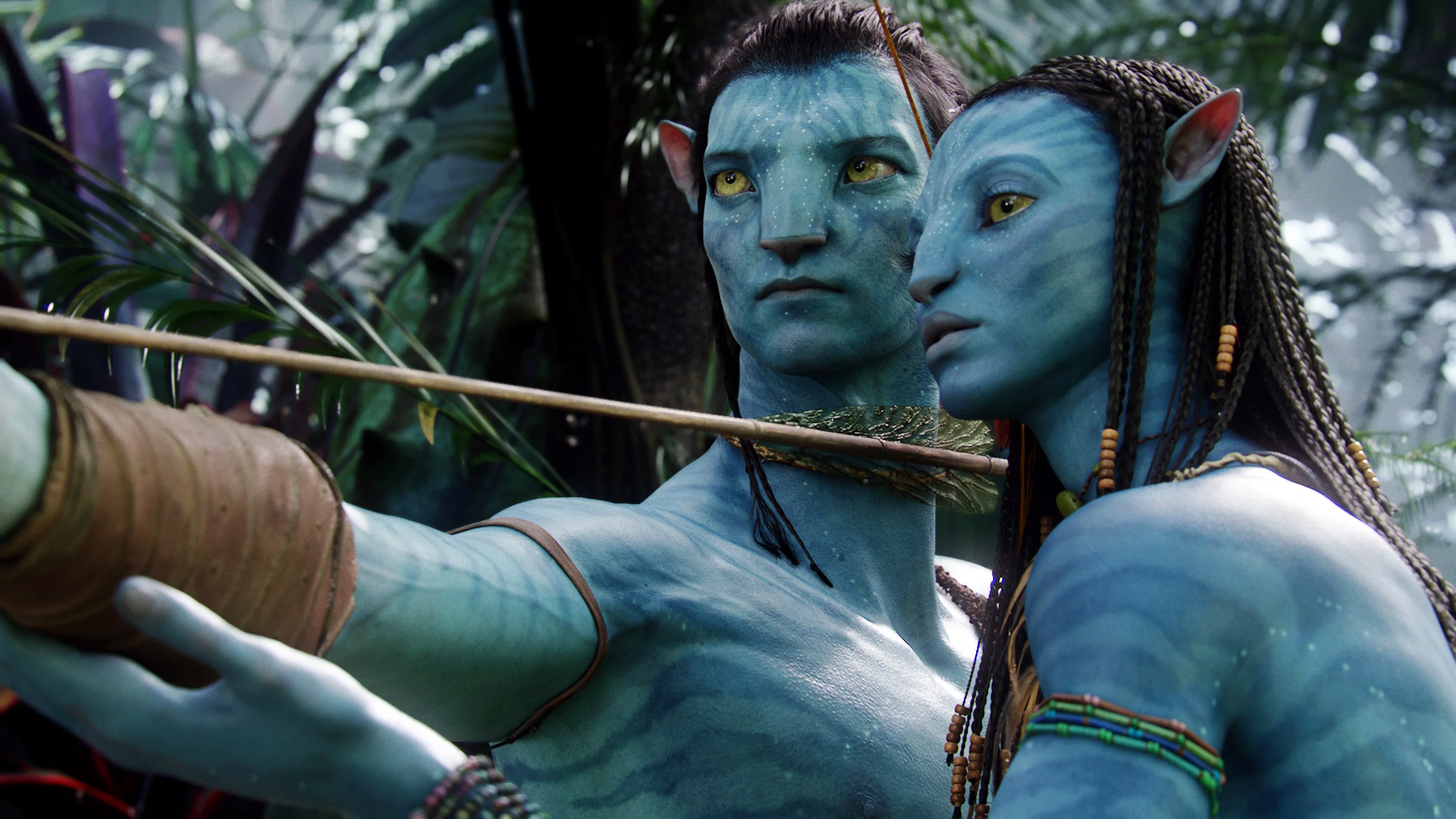
James Cameron wrote the first treatment in 1994 and then waited, because the technology to realize it did not exist. Performance capture had to be refined to record subtle facial expressions, and a virtual camera system had to be built so that a director could frame shots inside a computer-generated world. When the film finally arrived in 2009, it became the highest-grossing movie released up to that point.
Shots that were not supposed to be possible
4. Russian Ark (2002)
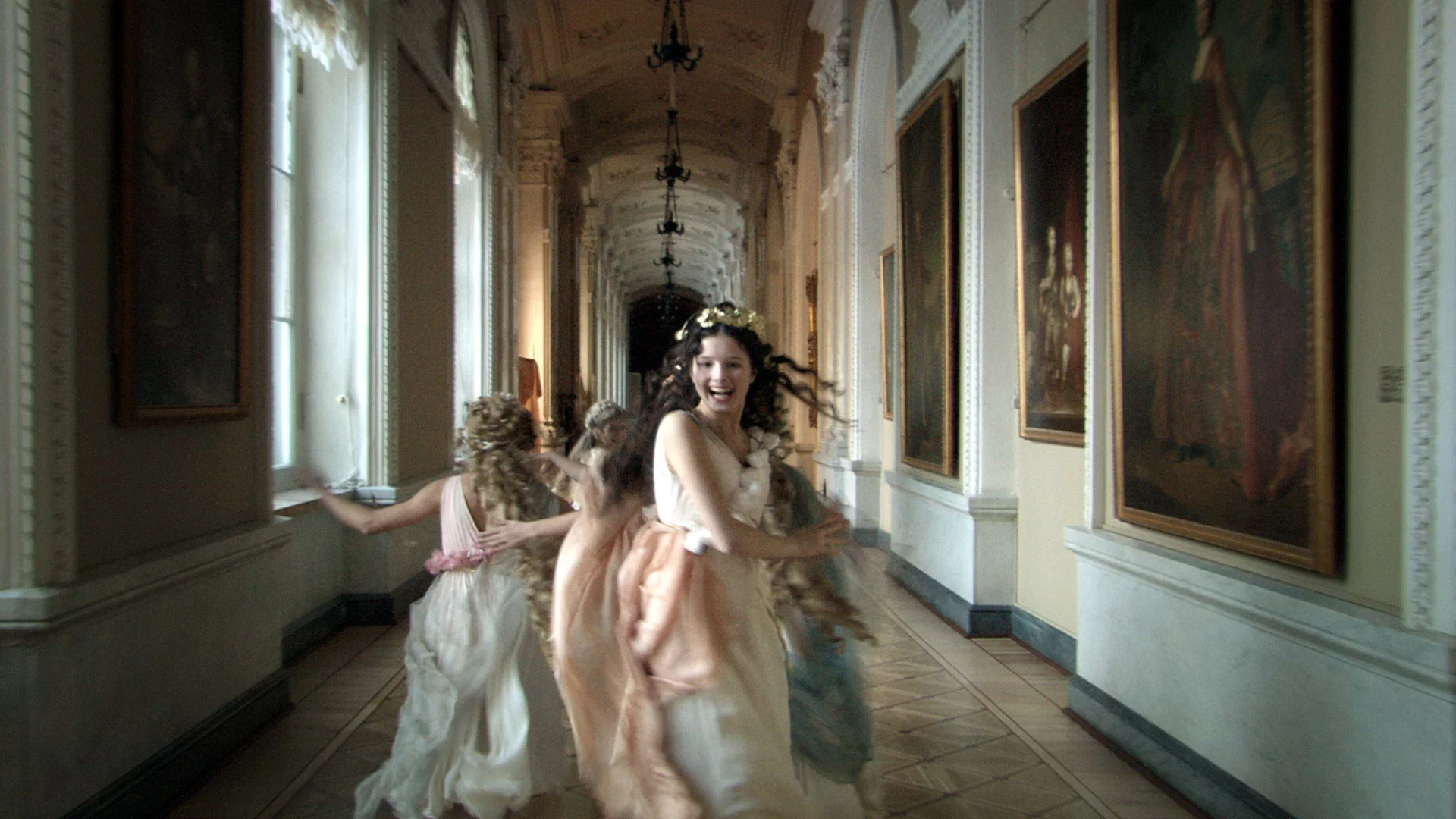
Alexander Sokurov’s film is a single unbroken take of about ninety-six minutes, gliding through the halls of the State Hermitage Museum in St. Petersburg. More than two thousand actors had to hit their marks across centuries of Russian history, while Steadicam operator Tilman Büttner carried the camera the whole way. Earlier attempts collapsed partway through, and the fourth attempt became the film. One error anywhere meant starting over.
5. Birdman (2014)
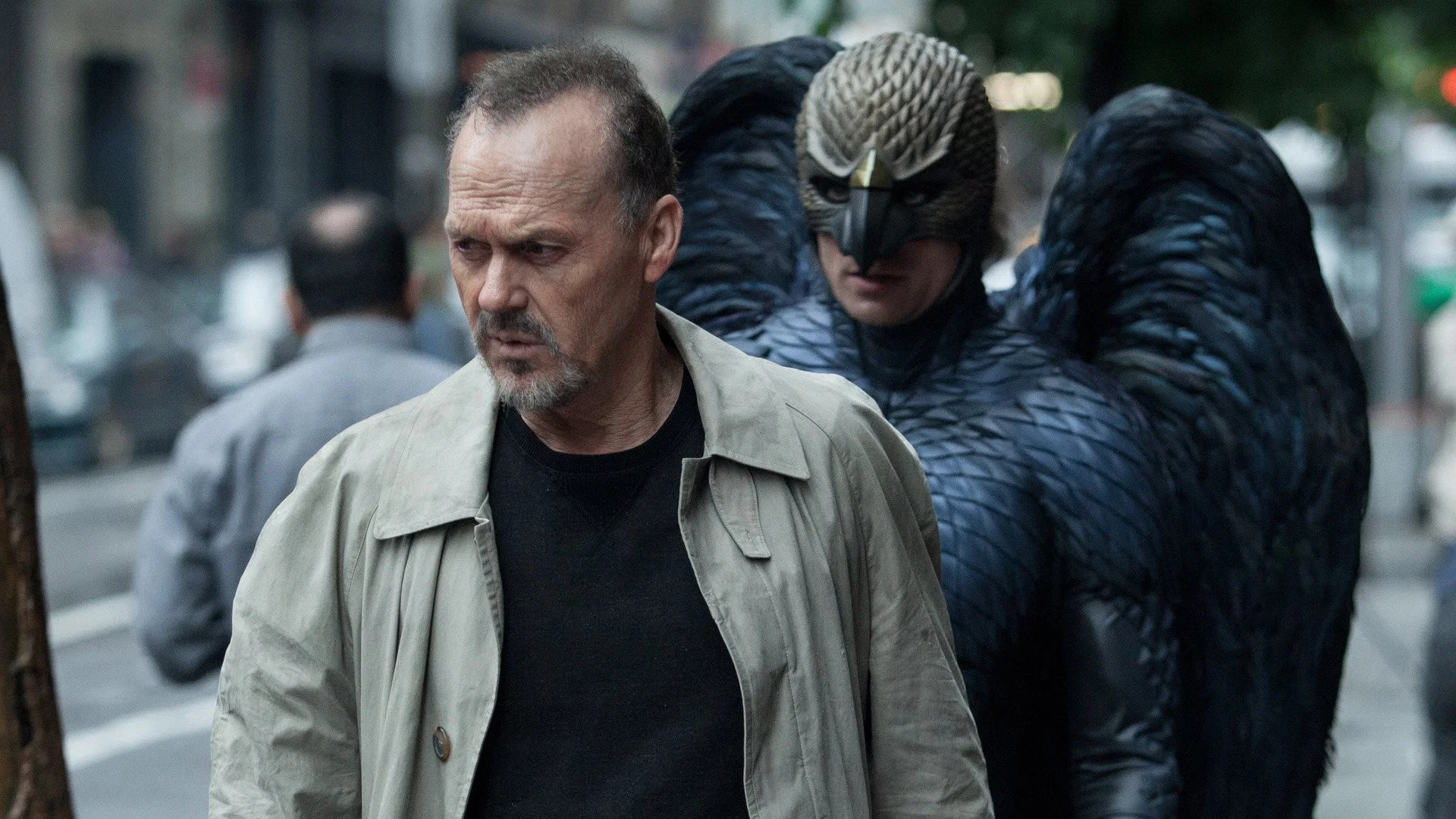
Alejandro G. Iñárritu and cinematographer Emmanuel Lubezki staged a Broadway backstage drama so that it plays as one continuous shot. The illusion required weeks of rehearsal, choreographed camera moves through cramped corridors and dressing rooms, and hidden cuts disguised in whip pans and dark passages. The film won the Oscars for Best Picture and Best Cinematography.
6. 1917 (2019)
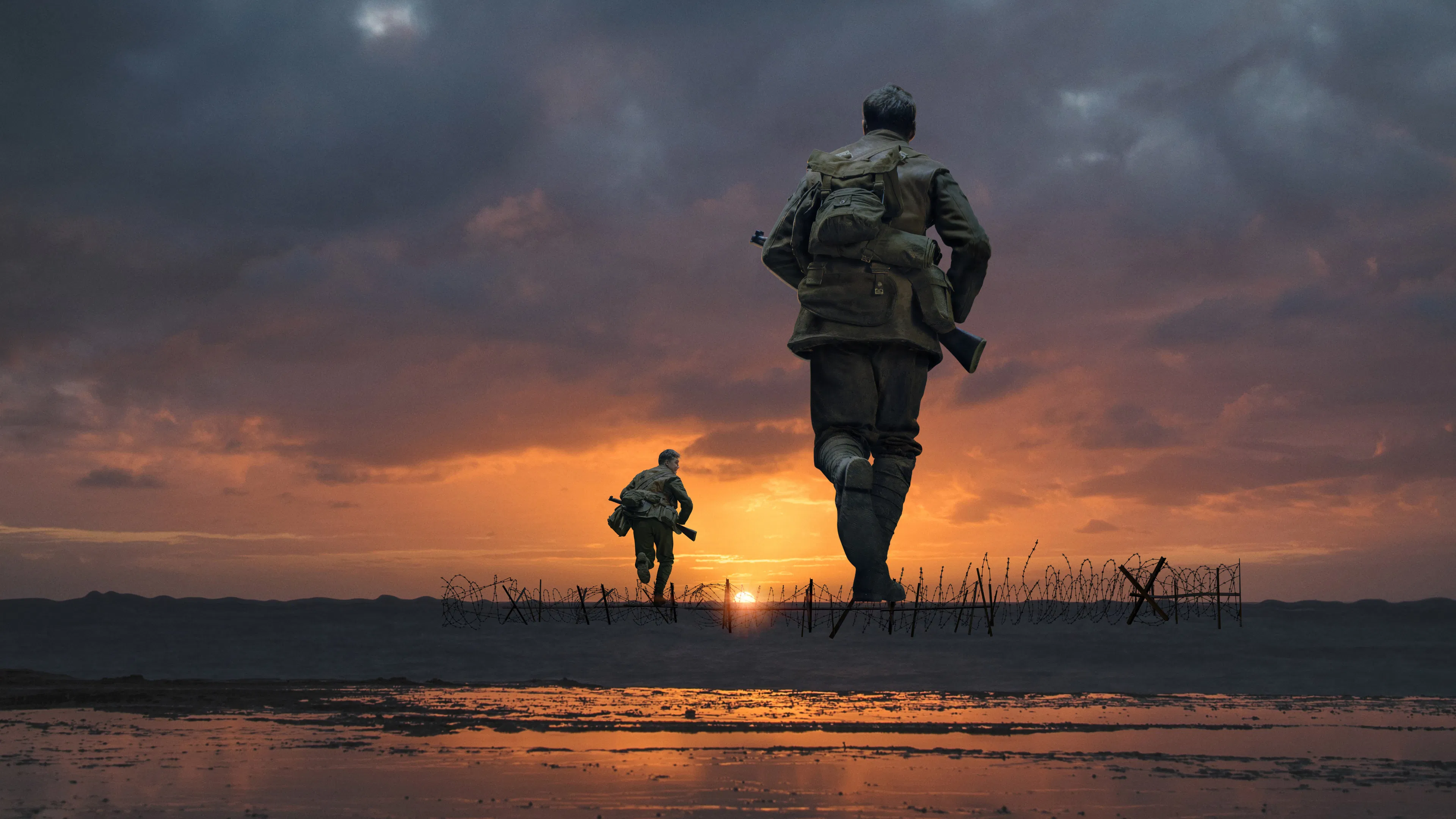
Sam Mendes told a First World War story as two seemingly seamless shots, following two soldiers across no man’s land in real time. Cinematographer Roger Deakins and the crew built a vast network of trenches in the English countryside, rehearsed for months, and timed lighting and weather around every movement. Deakins won the Academy Award for Best Cinematography.
When nature refused to cooperate
7. Fitzcarraldo (1982)
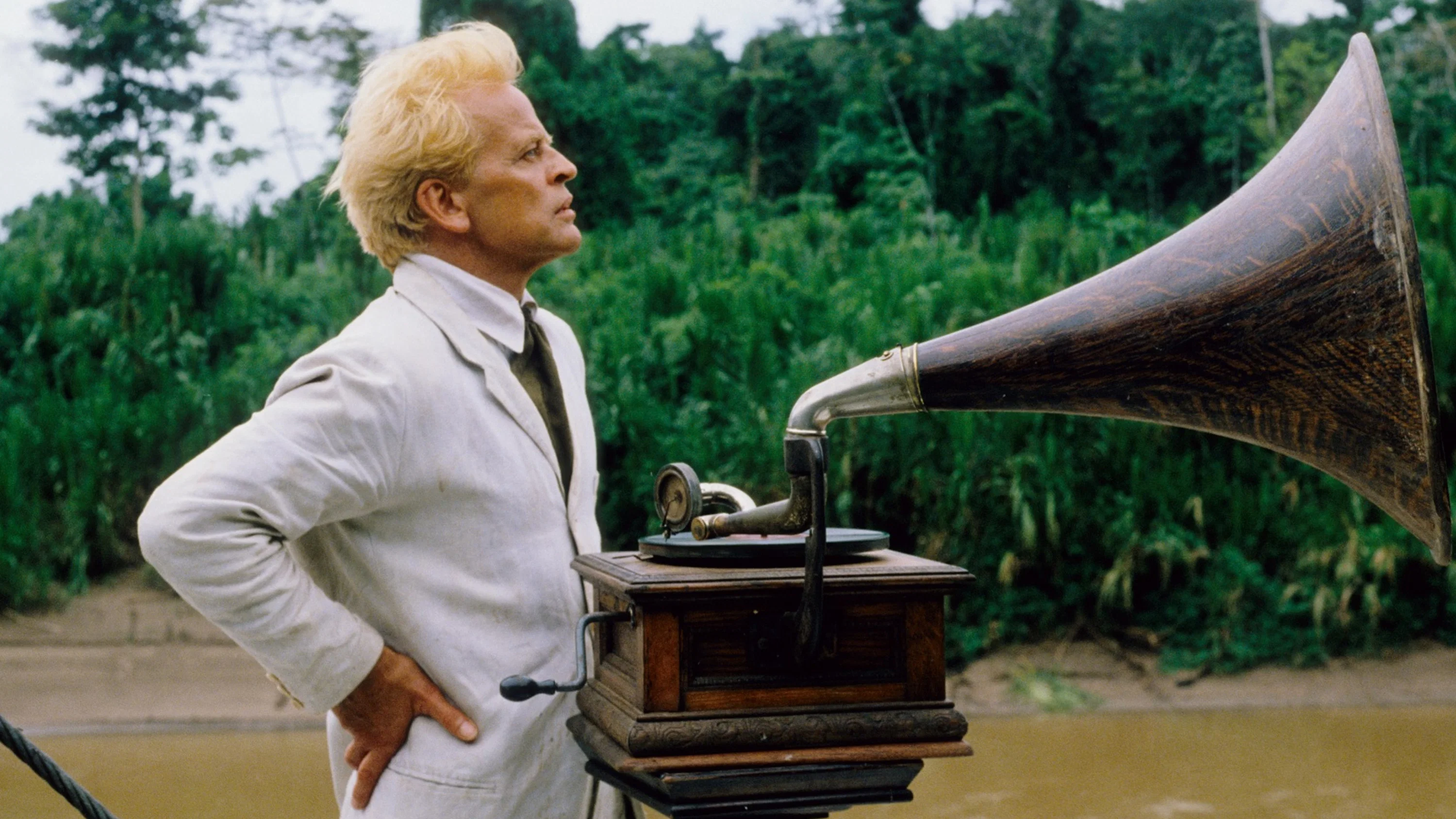
The story needed a steamship to be dragged over a mountain in the Peruvian Amazon. Werner Herzog refused to use miniatures or trick photography and had a real vessel hauled up a muddy slope. The production lost its original lead actors along the way and replaced them with Klaus Kinski, and the shoot became a legend of its own, later documented in Burden of Dreams.
8. Apocalypse Now (1979)
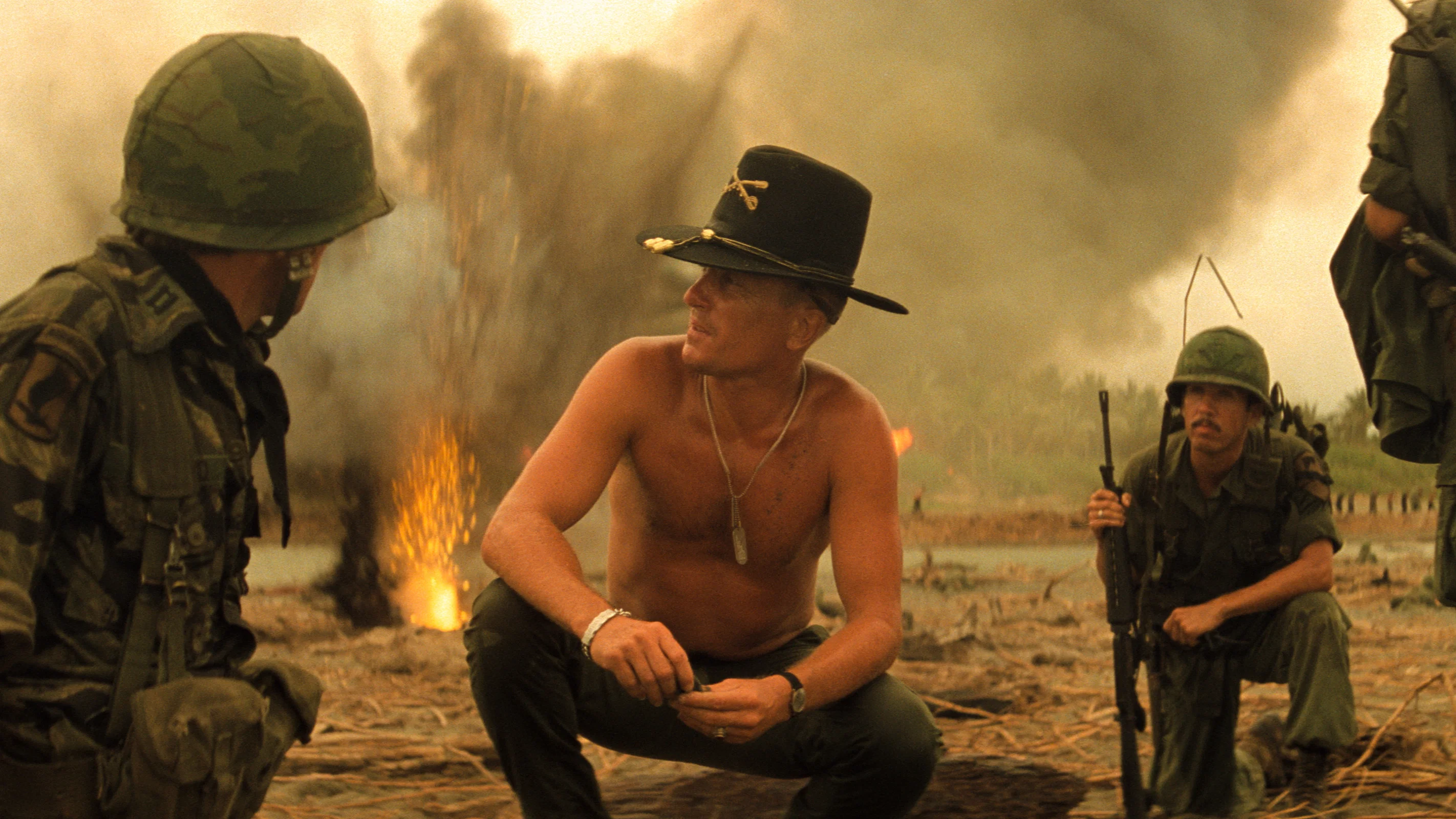
Francis Ford Coppola took a crew to the Philippine jungle for what was meant to be a relatively short shoot. A typhoon destroyed sets, lead actor Martin Sheen suffered a heart attack, and the schedule stretched past a year while the budget ballooned. Coppola kept going, and the finished film emerged as one of the defining war movies in cinema.
9. The Revenant (2015)
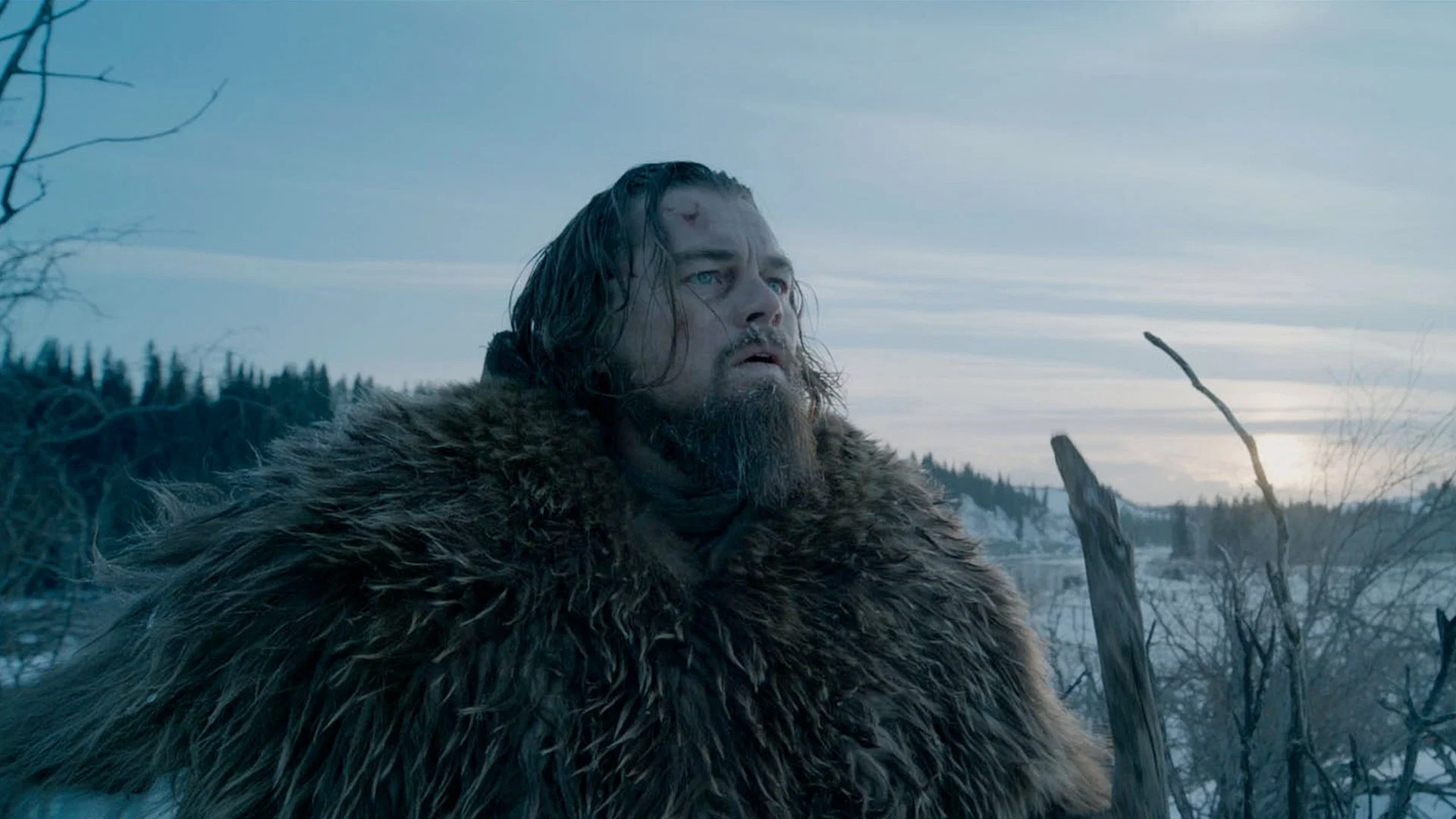
Iñárritu and Lubezki committed to shooting using only natural light, which limited each day’s work to a short window of usable daylight. Freezing temperatures, remote locations and a warm spell that melted the snow in Canada forced the production to relocate to the southern tip of Argentina to finish. The commitment to real conditions is visible in every frame.
10. Lawrence of Arabia (1962)
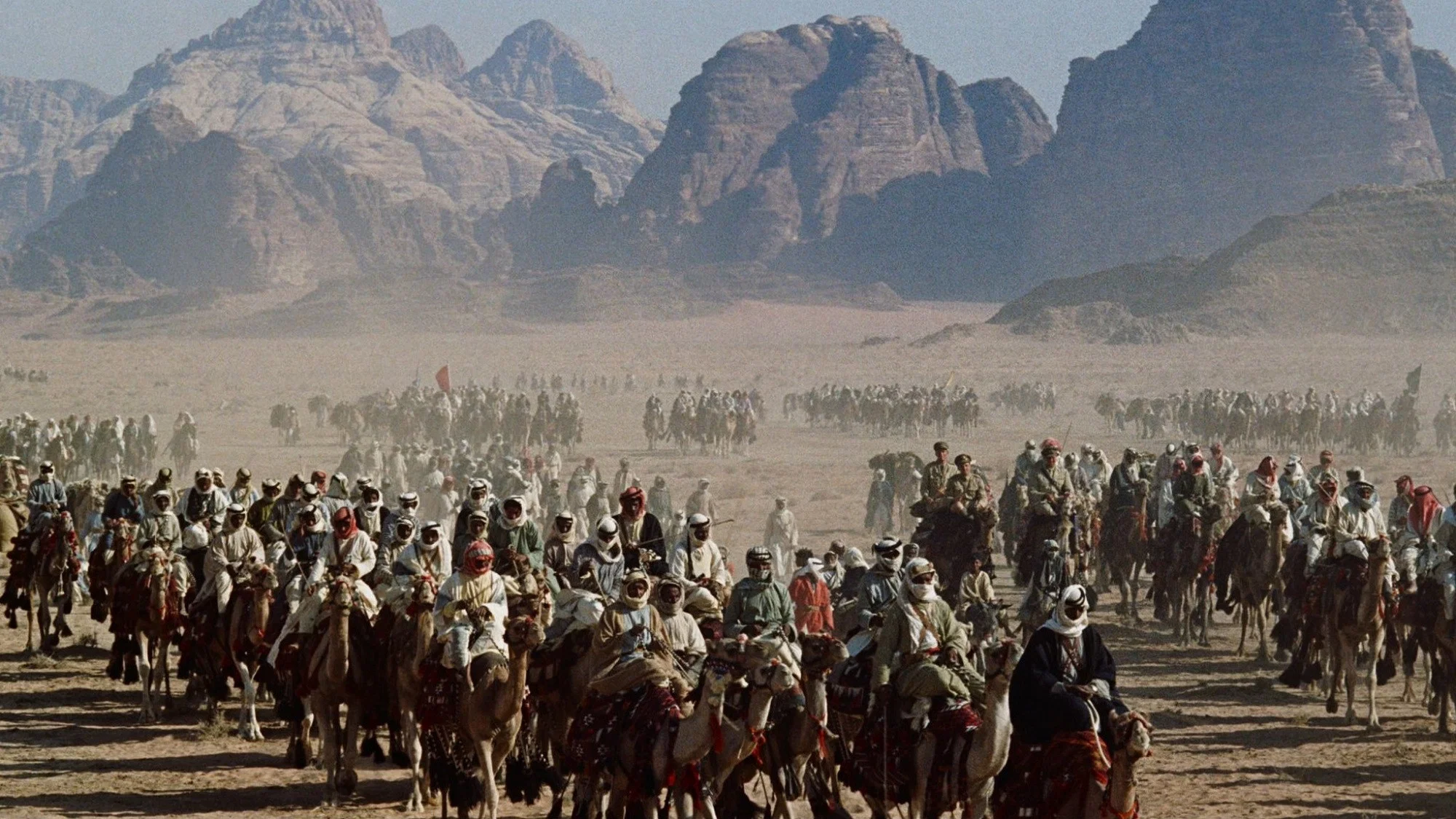
David Lean shot on 70mm film in the deserts of Jordan, Morocco and Spain, hauling cameras, crew and thousands of extras through brutal heat. There was no computer-generated scenery to fall back on, so every horizon, mirage and sandstorm had to be captured for real. The film won seven Academy Awards, including Best Picture.
11. Jaws (1975)
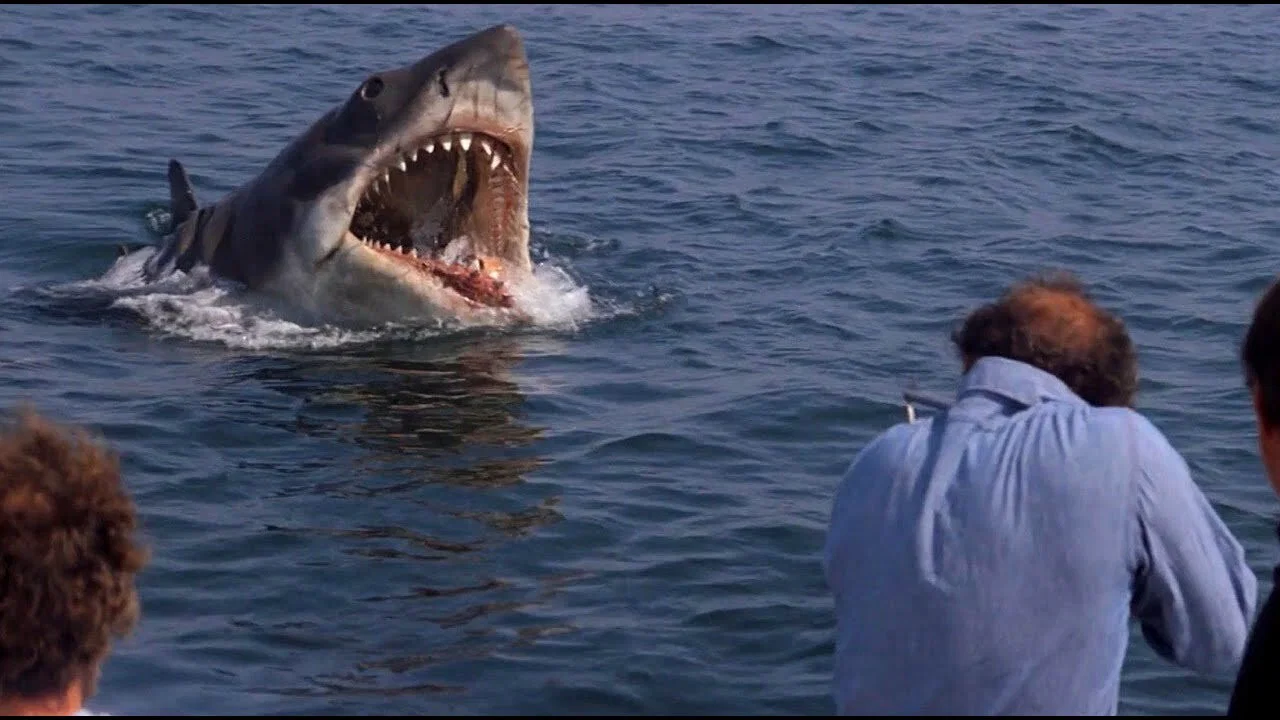
Steven Spielberg decided to film at sea instead of in a controlled tank, and the mechanical shark known as Bruce malfunctioned repeatedly in salt water. A planned shoot of about fifty-five days ran to roughly one hundred and fifty-nine. With the shark rarely working, Spielberg suggested the animal through music, shadows and point-of-view shots, and the film became the first modern summer blockbuster.
12. Mad Max: Fury Road (2015)
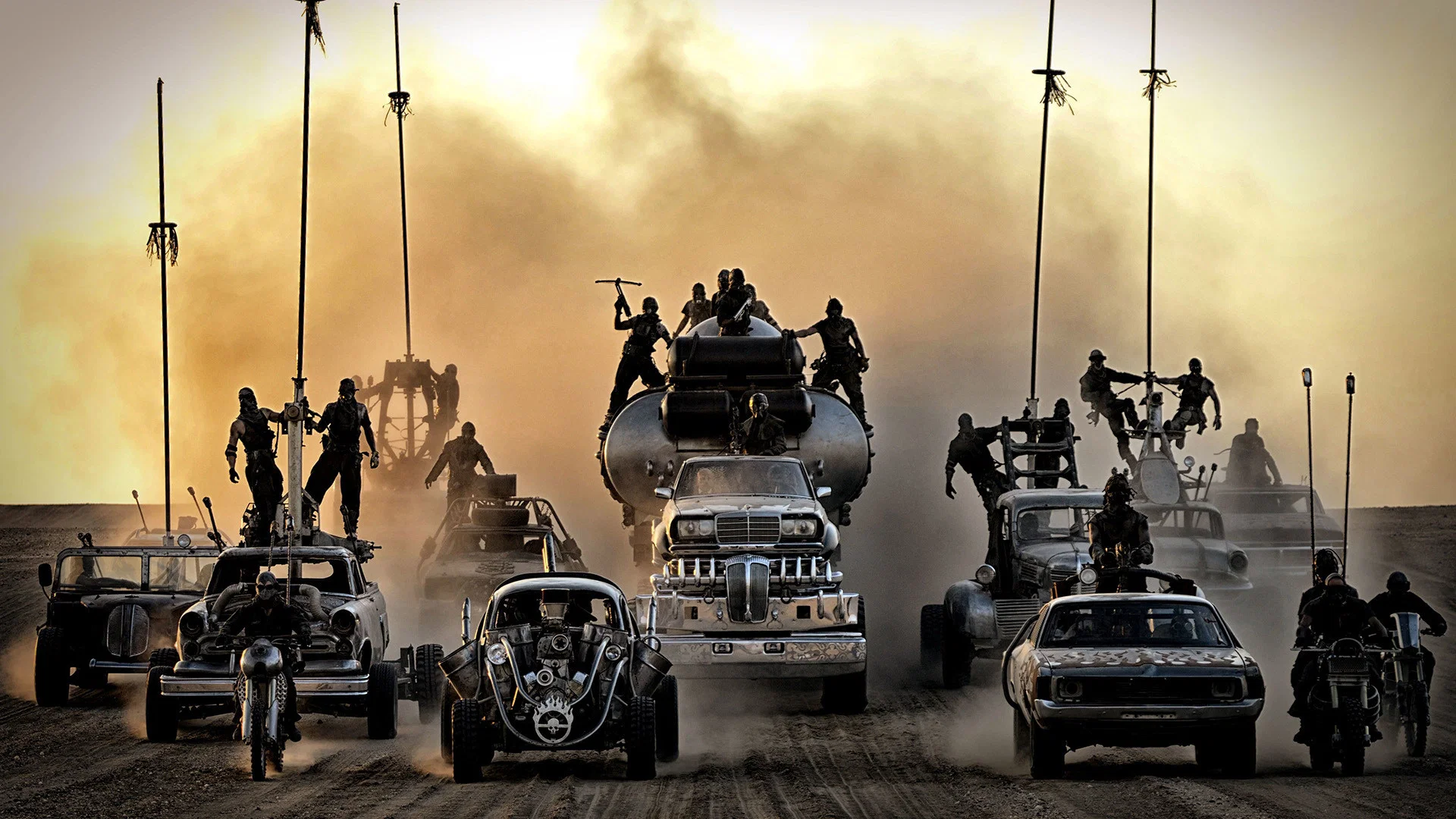
George Miller first planned the film in the late 1990s, and it was derailed by global events and then by unexpected rain that turned the Australian desert green. The production moved to Namibia, where the crew built a fleet of working custom vehicles and performed most of the stunts for real. The film won six Academy Awards.
Building what did not exist
13. Titanic (1997)
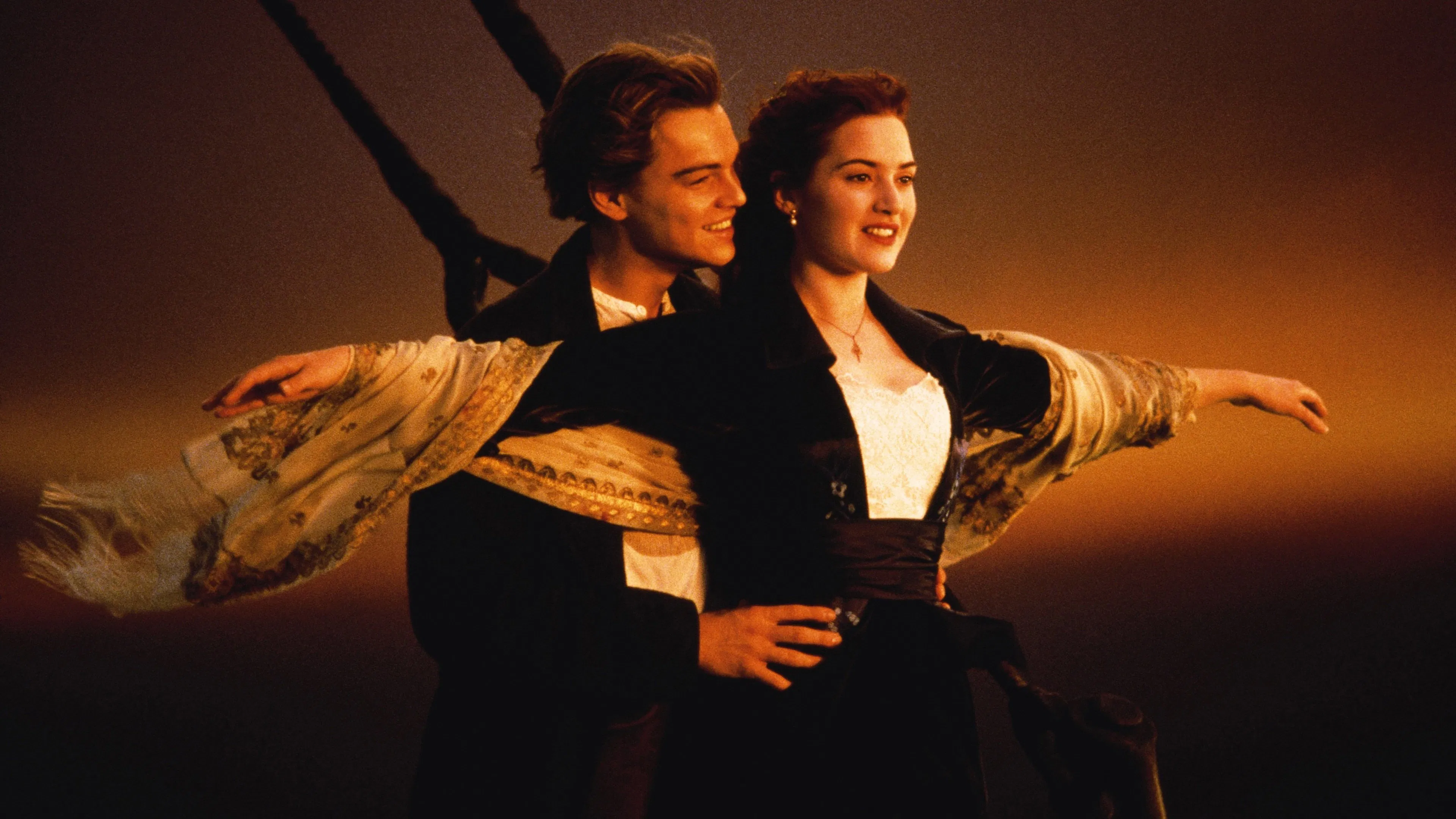
James Cameron had a nearly full-scale replica of the ship built on the coast of Baja California, with an enormous water tank so the vessel could sink convincingly on camera. The budget swelled and the press predicted disaster, yet the film became the first to pass one billion dollars at the box office and won eleven Academy Awards.
14. Dunkirk (2017)
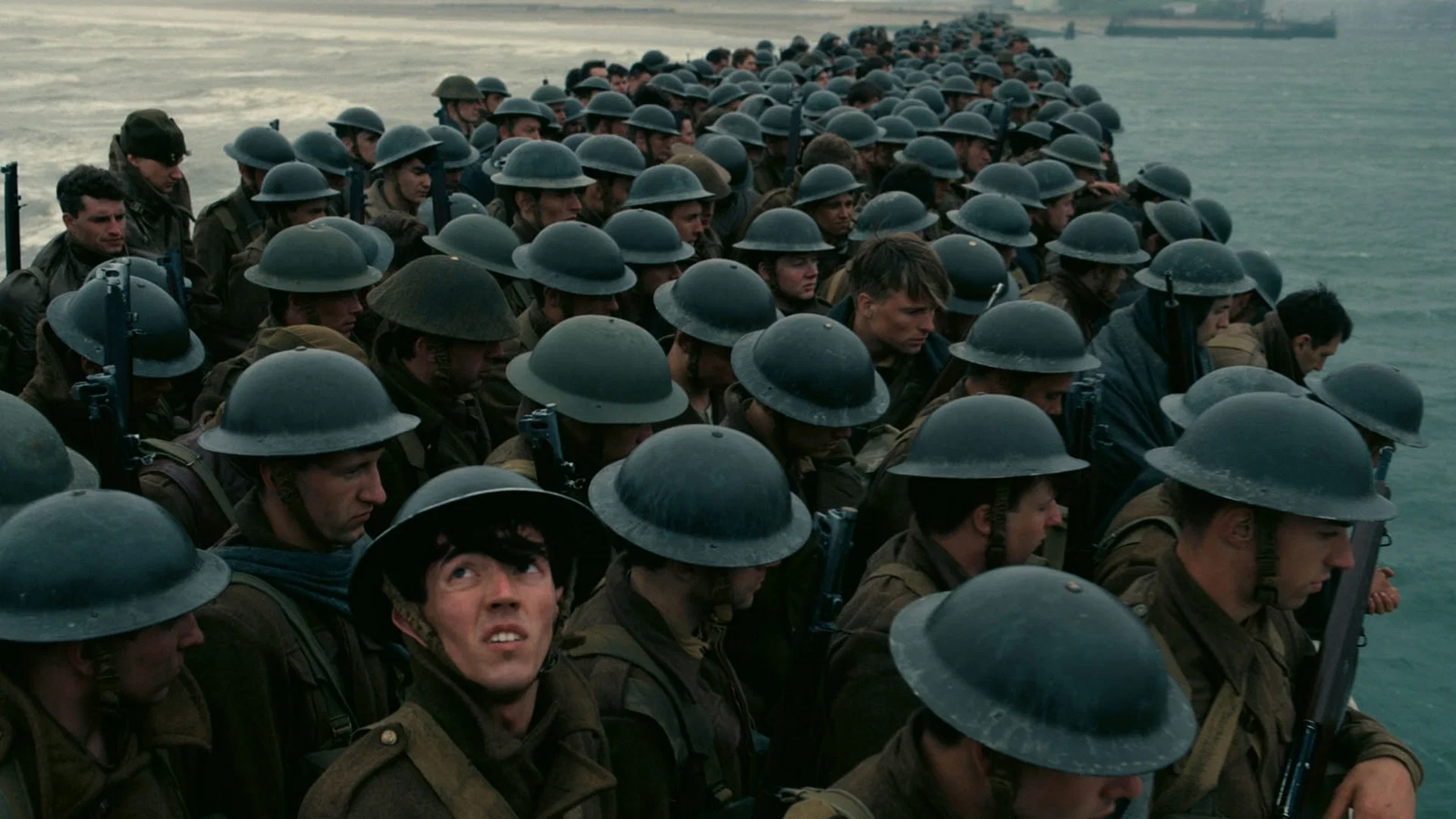
Christopher Nolan filmed on the real beach in France, used actual ships from the era and flew real Spitfires, all captured on IMAX and 65mm film. To fill the sand with an army, the production supplemented its extras with cardboard cutouts and inflatable stand-ins instead of relying on digital crowds. The effect is a sense of scale that computer-generated armies rarely achieve.
15. Oppenheimer (2023)
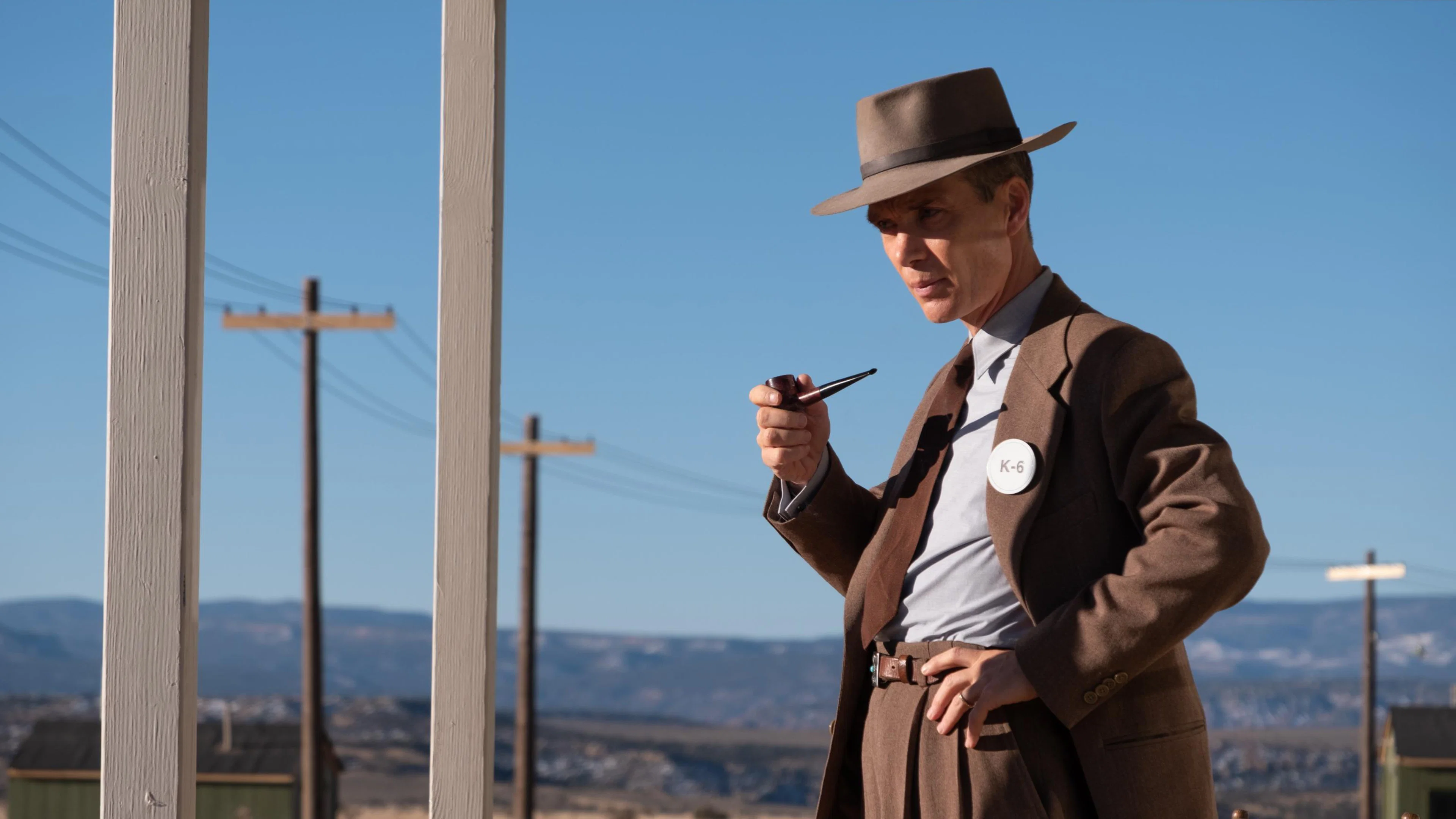
The first atomic explosion had to be seen to be believed, yet Nolan chose to recreate the Trinity test with practical effects rather than computer-generated imagery. The film was shot in large-format IMAX, including the first use of a black-and-white IMAX 65mm film stock created specifically for the production. It won seven Academy Awards, including Best Picture.
16. Interstellar (2014)
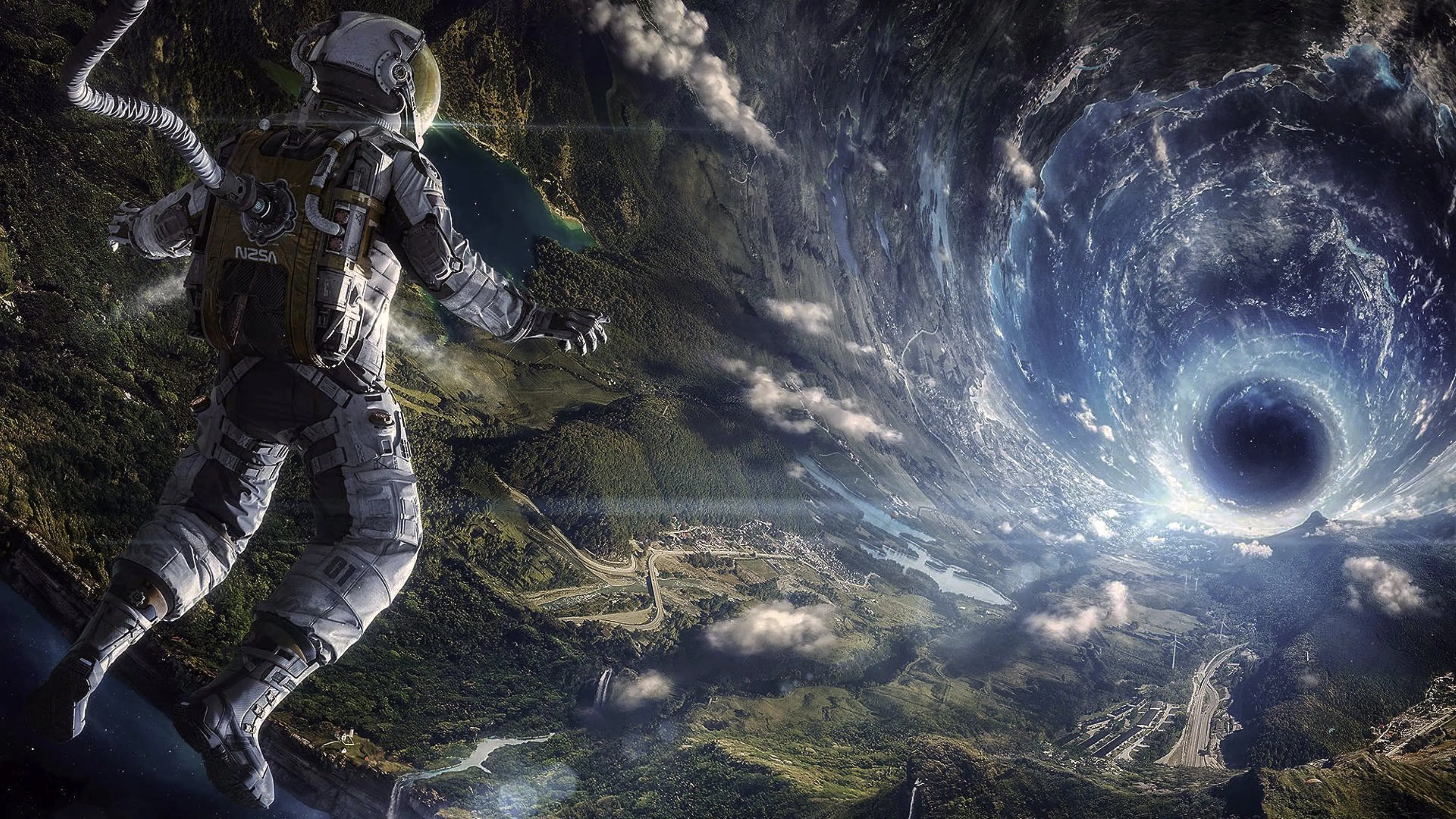
For its farm scenes, the production planted hundreds of acres of real corn in Alberta. For its black hole, the visual effects team worked from equations supplied by physicist Kip Thorne, and the simulations were rigorous enough to generate results that appeared in scientific publications. Few films have contributed to the science they depict.
17. 2001: A Space Odyssey (1968)
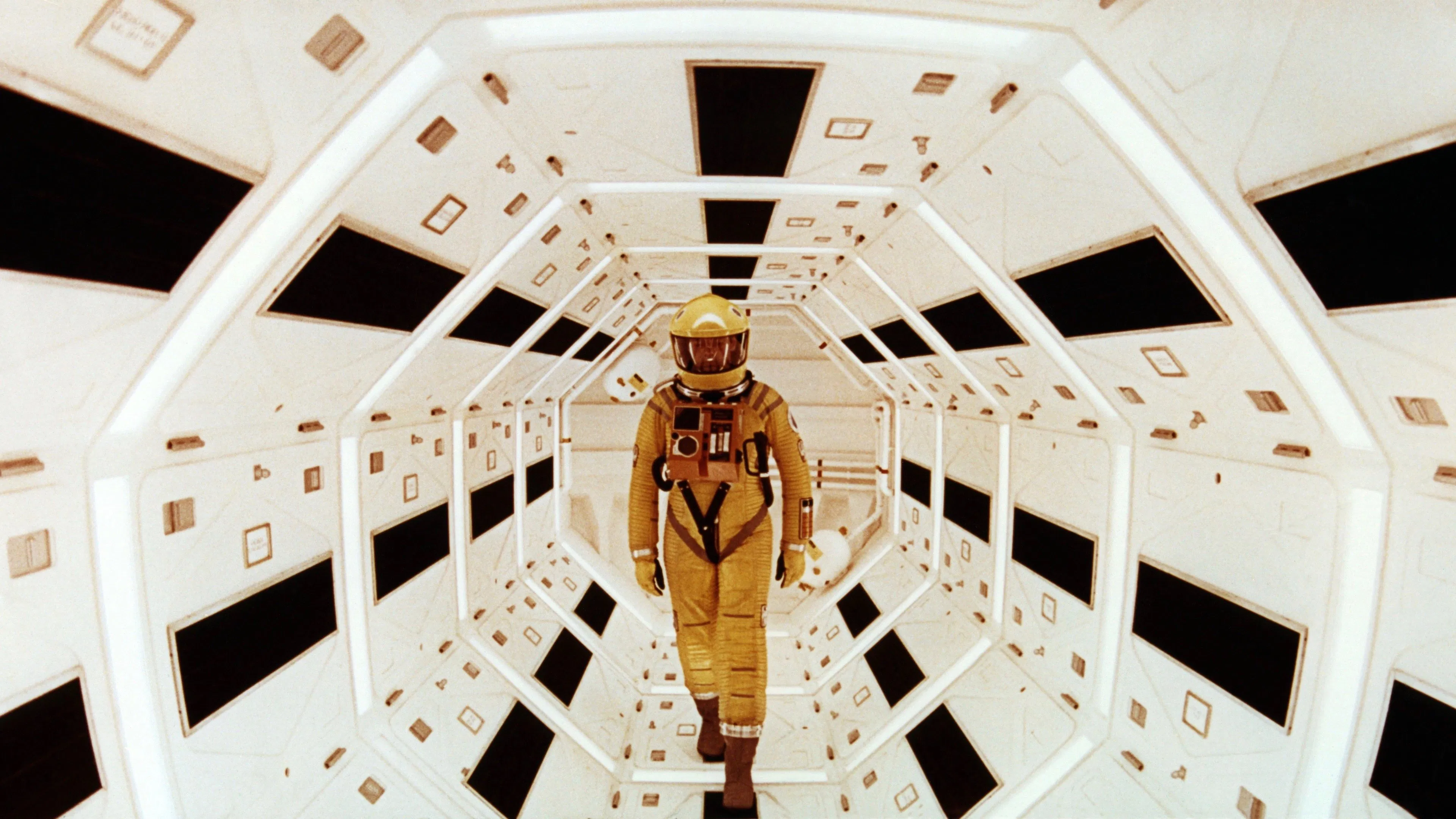
Stanley Kubrick made space travel look real more than a year before the Moon landing. His team built a giant rotating set so that actors could appear to walk around the inside of a spacecraft, and used front projection to place prehistoric scenes in Africa without leaving England. The film won the Academy Award for Visual Effects, years before digital tools existed.
18. Gravity (2013)
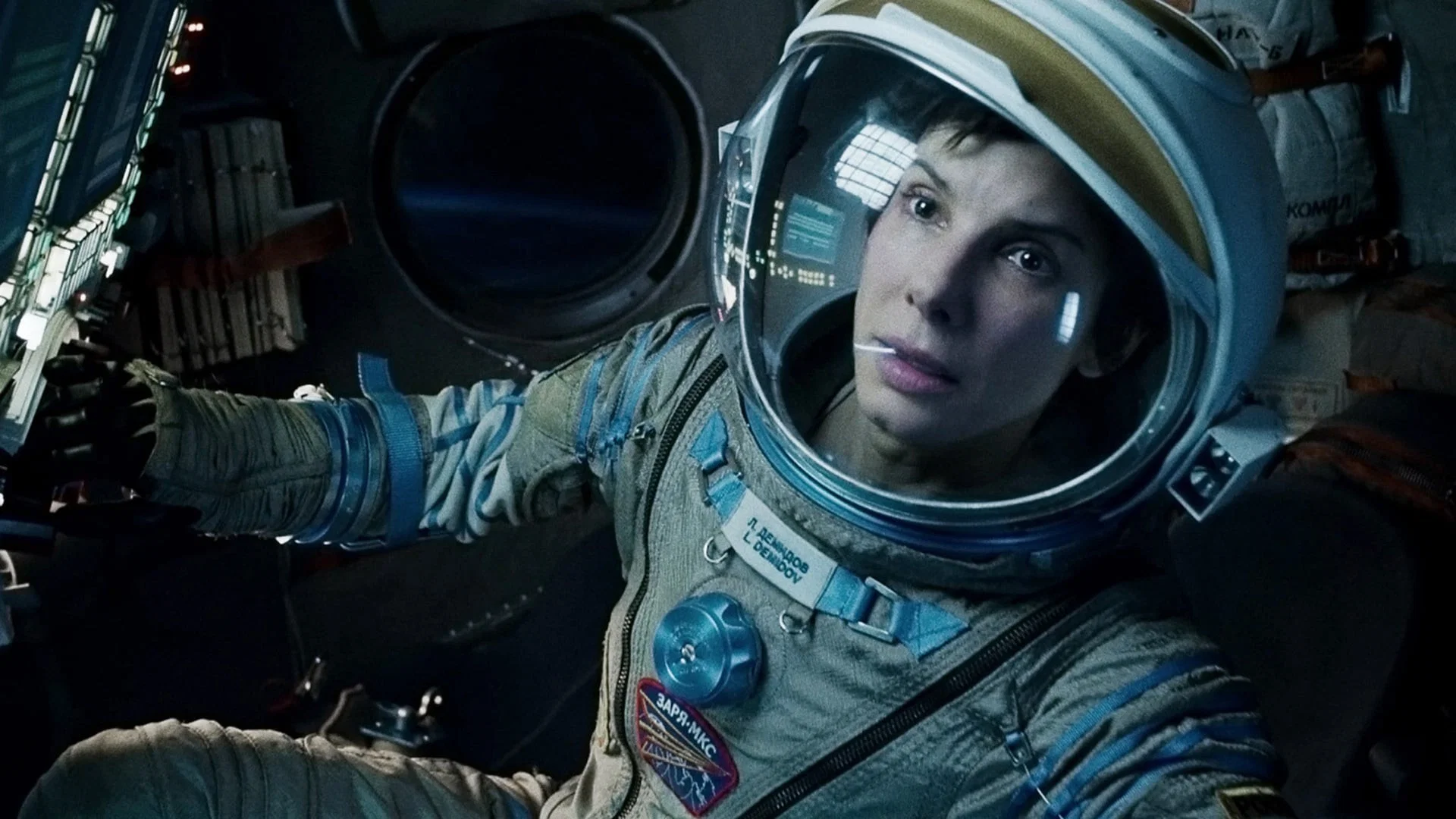
Alfonso Cuarón wanted long, fluid shots in weightlessness, which cannot be filmed on Earth. His solution was a custom lighting rig, robotic camera arms and a box of LED panels in which actors performed while images of space were projected around them. The production took years to engineer, and the film won seven Academy Awards.
19. Life of Pi (2012)
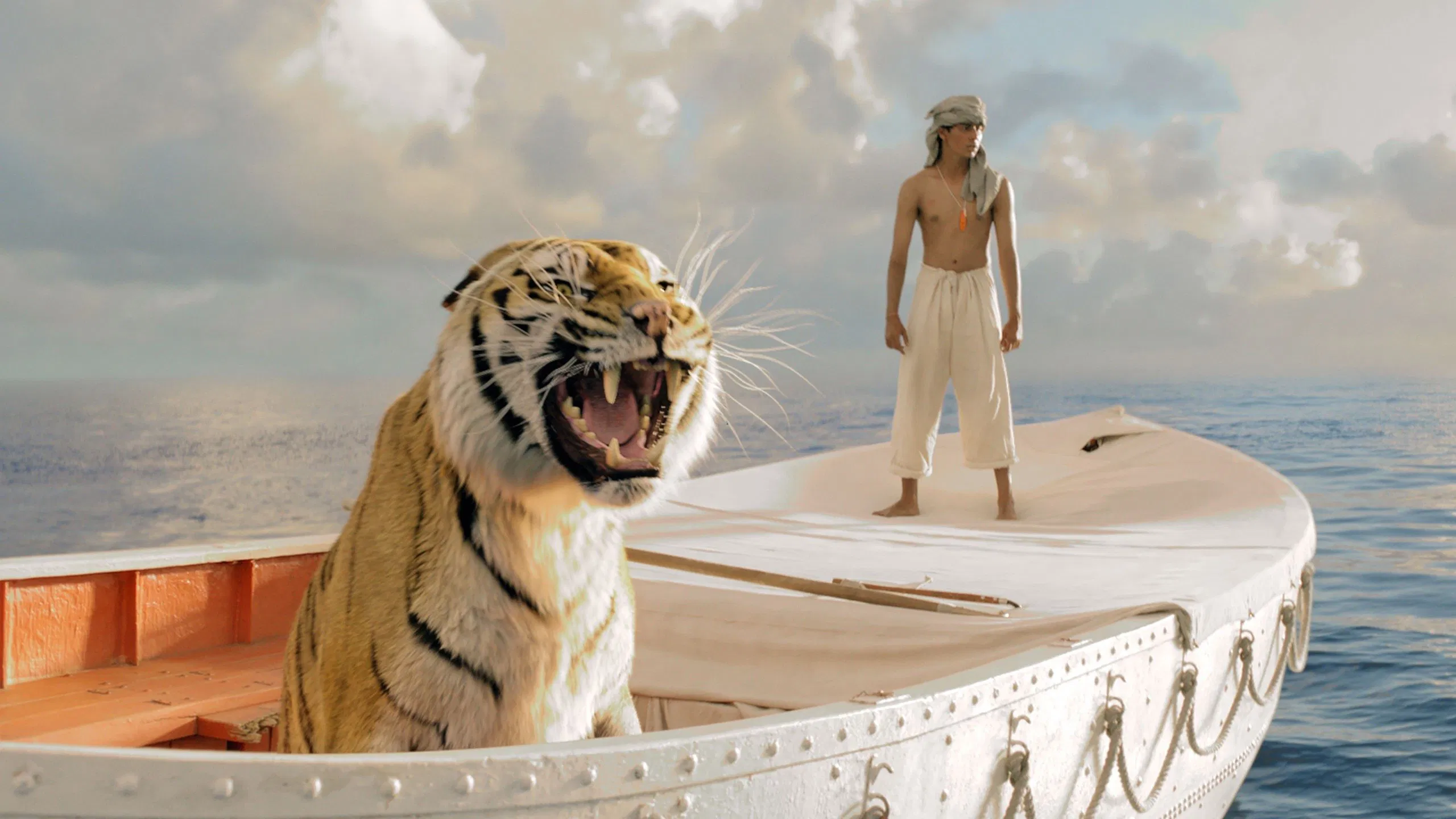
Yann Martel’s novel, about a boy stranded on a lifeboat with a Bengal tiger, was long considered unfilmable. Ang Lee shot in a purpose-built wave tank in Taiwan that was among the largest of its kind, and the tiger was largely created digitally using real animals as reference. The film won four Academy Awards, including Best Director.
20. The Lord of the Rings (2001–2003)
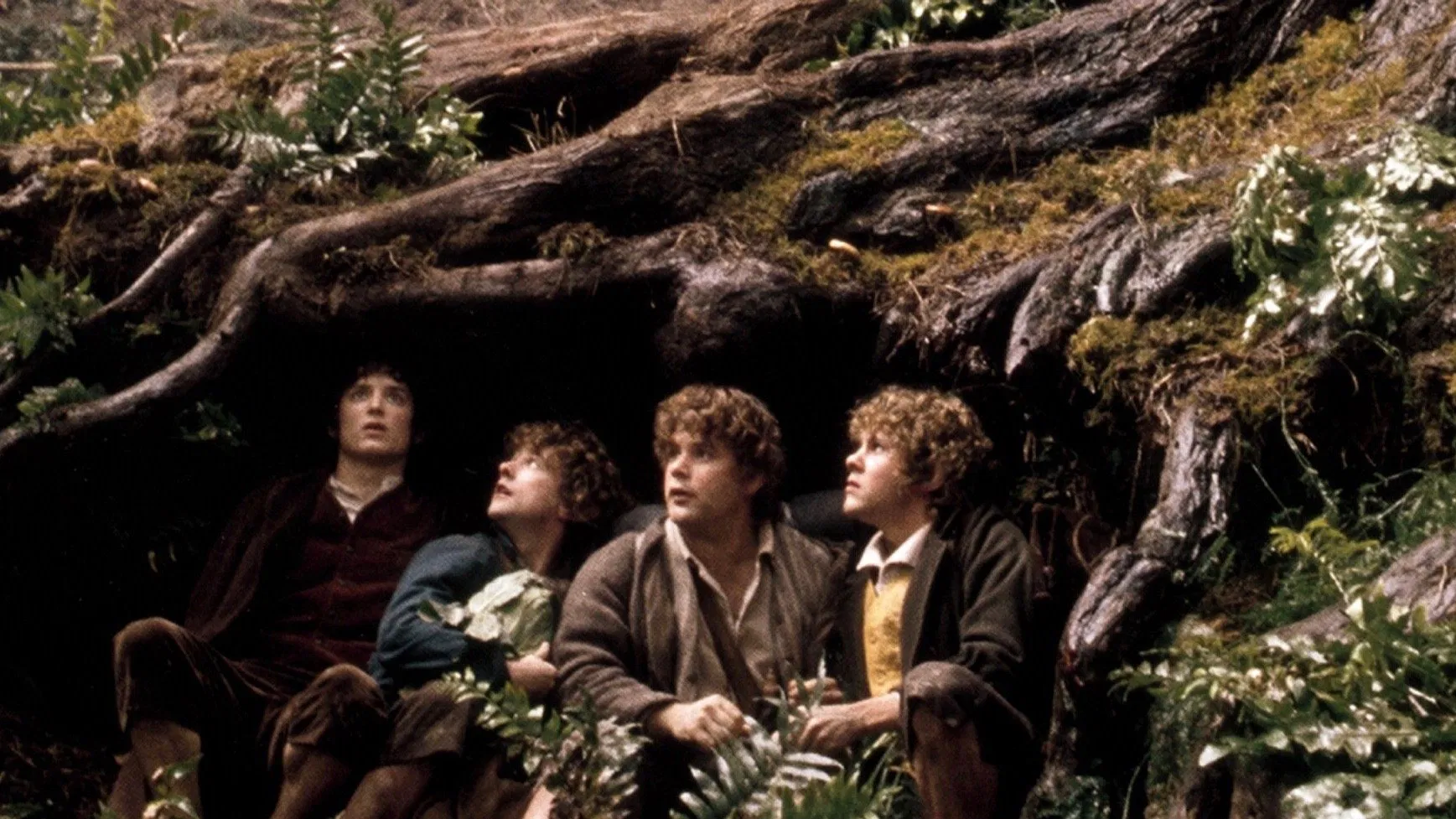
J.R.R. Tolkien’s trilogy had long been dismissed as impossible to adapt. Peter Jackson shot all three films at once across New Zealand over 438 days, building entire villages and developing new digital techniques to bring Middle-earth to life. The Return of the King won eleven Academy Awards, matching the record at the time.
The impossible, at a glance
| Film | Director | What was considered impossible |
|---|---|---|
| Boyhood (2014) | Richard Linklater | Filming the same cast for twelve years |
| Cast Away (2000) | Robert Zemeckis | Showing a lead actor’s real physical transformation |
| Avatar (2009) | James Cameron | A fully realized alien world with human-level emotion |
| Russian Ark (2002) | Alexander Sokurov | A feature in one unbroken take |
| Birdman (2014) | Alejandro G. Iñárritu | A feature staged to look like one shot |
| 1917 (2019) | Sam Mendes | A war film in two seemingly continuous shots |
| Fitzcarraldo (1982) | Werner Herzog | Hauling a real ship over a mountain |
| Apocalypse Now (1979) | Francis Ford Coppola | A jungle war epic in a hostile location |
| The Revenant (2015) | Alejandro G. Iñárritu | An entire film in natural light |
| Lawrence of Arabia (1962) | David Lean | A 70mm epic in the open desert |
| Jaws (1975) | Steven Spielberg | A mechanical shark filmed at sea |
| Mad Max: Fury Road (2015) | George Miller | A feature-length chase with real vehicles |
| Titanic (1997) | James Cameron | Sinking a near full-scale ship on camera |
| Dunkirk (2017) | Christopher Nolan | A mass evacuation without digital crowds |
| Oppenheimer (2023) | Christopher Nolan | The first atomic blast without computer-generated imagery |
| Interstellar (2014) | Christopher Nolan | A scientifically grounded black hole |
| 2001: A Space Odyssey (1968) | Stanley Kubrick | Realistic space travel before the Moon landing |
| Gravity (2013) | Alfonso Cuarón | Long, fluid shots in weightlessness |
| Life of Pi (2012) | Ang Lee | A boy and a tiger adrift at sea |
| The Lord of the Rings (2001–2003) | Peter Jackson | Adapting a book long thought unfilmable |
Why the impossible keeps getting made
The pattern across these twenty films is remarkably consistent. A filmmaker proposes something that the industry says cannot work, the production runs into the very problems everyone predicted, and the people involved either find a solution or invent one. Often the difficulty becomes part of the film’s identity. Fitzcarraldo’s ship is real because Herzog insisted it be real, and Boyhood’s passage of time is real because twelve years actually passed.
Not every impossible project succeeds, and many of the films above came close to collapse. But the ones that survive tend to leave behind new tools, new techniques and a higher bar for the next generation of directors. Each of these films made the next impossible idea a little easier to attempt.