Artificial intelligence has officially crossed the threshold from experimental novelty to an indispensable production pillar across Hollywood and independent cinema. Where earlier applications of machine learning were largely confined to de-aging actors or cleaning up visual effects, the film slate of 2026 marks a turning point. Studios and indie directors alike are now embedding generative models, voice synthesis, and predictive cinematography deep within their pre-production and post-production workflows.
Below is an exploration of how artificial intelligence was leveraged in major 2026 film productions, transforming everything from set design to vocal alignment.
1. Mercy (2026)
- Director: Timur Bekmambetov
- AI Application: Real-time data integration, background environment synthesis, and interactive HUD generation.
- Production Context: Set in a high-tech courtroom setting where an artificial intelligence system acts as judge and jury, Mercy incorporated generative machine learning directly into its production Pipeline. To visually convey the overwhelming deluge of personal data, text histories, and surveillance footage analyzed by the AI judge, the visual effects team utilized generative algorithms to construct tens of thousands of unique digital interfaces and dynamic UI layers in real time. Rather than relying strictly on standard 2D post-production graphic overlays, machine learning tools dynamically rendered screen graphics based on live actor blocking on set, cutting visual effects turnaround times significantly.

2. Dreams of Violets (2026)
- Festival Debut: Tribeca Film Festival
- AI Application: Full-stack generative video generation, synthetic scoring, and prompt-driven scene composition.
- Production Context: Premiering at the 2026 Tribeca Film Festival, Dreams of Violets made headlines across the industry as a breakthrough feature produced almost entirely with advanced generative AI tools. Created on a micro-budget of under $2,000, the production utilized generative video engines like Runway alongside custom text-to-video pipelines to create detailed historical and surrealist environments without physical set builds. The film stands as a case study for how generative models can democratize high-concept storytelling for independent directors operating outside major studio financing.
3. The Electric State (2025/2026)
- Directors: Anthony and Joe Russo
- AI Application: Machine-learning CGI integration, automated character motion blending, and environment matching.
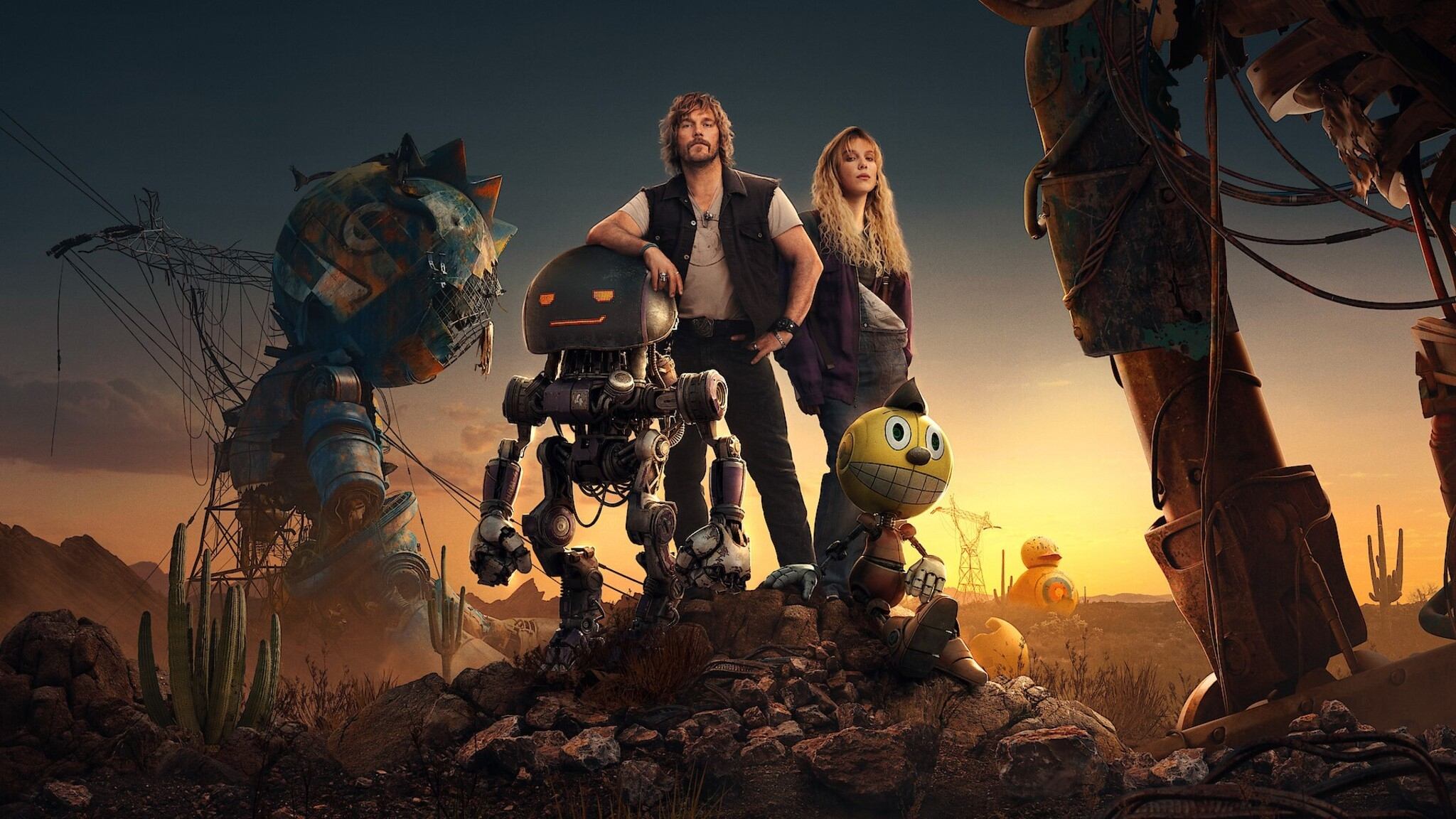
- Production Context: The Russo brothers' retro-futuristic adaptation required blending dozens of stylized robotic companions seamlessly into live-action physical sets. Rather than relying exclusively on traditional keyframe animation or full motion-capture suits for every background creature, the VFX crew deployed neural networks trained on movement datasets. These machine learning pipelines automatically filled in micro-interactions, surface lighting reflections, and weight distribution for complex mechanical characters, giving the visual effects team unprecedented speed when compositing live-action plates with synthetic models.
4. Ink (2026)
- Director: Danny Boyle
- AI Application: Neural voice manipulation, script sentiment mapping, and generative concept visualizer.
- Production Context: Danny Boyle confirmed the integration of generative AI workflows during the production of Ink. The visual creative team utilized script-to-visual software during pre-production to rapidly generate mood boards, camera angle references, and lighting tests directly from the screenplay. During post-production, neural voice tools were carefully applied to adjust line delivery inflection, allowing subtle dialogue tweaks without requiring actors to return for extensive automated dialogue replacement (ADR) sessions.

Key Industry Developments in 2026
The adoption of artificial intelligence in 2026 reflects three primary industry trends:
- Voice and Performance Matching: Machine learning tools like Respeecher have transitioned from rare visual effects tools to standard post-production utilities. Audio engineers routinely use neural models to clean up dialogue tracks, match acoustic spaces, or alter vocal performances for multilingual localizations seamlessly.
- Pre-Visualization Speed: Pre-production pipelines have been drastically accelerated. Storyboard artists and directors now use software like LTX Studio and Adobe Firefly to turn written scenes into fully realized, animatic camera sequences within hours rather than weeks.
- Micro-Budget Democratization: The release of high-fidelity, frame-consistent generative video models has allowed independent creators to build sci-fi and historical epics with fractional crew sizes, sparking new debates around distribution and festival eligibility.
This video offers a prime example of a 2026 independent sci-fi project built entirely through generative AI frame-by-frame production workflows.