Late in Alex Gibney’s Musk, the film turns Elon Musk’s stint cutting the federal workforce into a video game. A computer-generated Musk stands in a first-person-shooter fantasy, vaporising government employees for points. It is the film’s most talked-about sequence and its most divisive, because it captures everything Musk does and risks: it is vivid, angry, a little glib, and impossible to mistake for neutral.
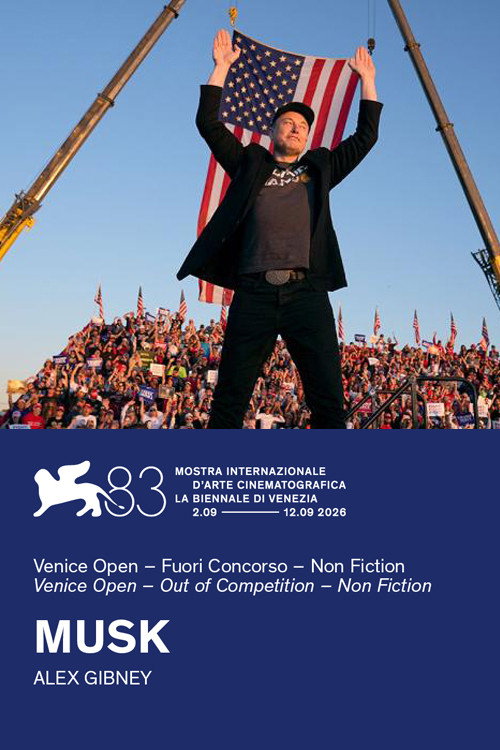
Editor’s note: this review draws on festival and press coverage of the film, with critics’ views attributed throughout.
A Subject Who Wouldn’t Sit Down
Documentaries about powerful people usually live or die on access. Gibney didn’t get any. Musk declined to take part, so the filmmakers built him a stand-in: a photo-real digital version that “sits” for an interview made entirely of his own public statements, threaded through the picture. Around that device is a mountain of archive footage, from rocket-building and product unveilings to interviews, plus a roster of people who know the story from the inside, including ex-wife Justine Musk, former partner Ashley St. Clair, journalists Kara Swisher and Zoë Schiffer, early Tesla figure Martin Eberhard and AI pioneer Geoffrey Hinton.
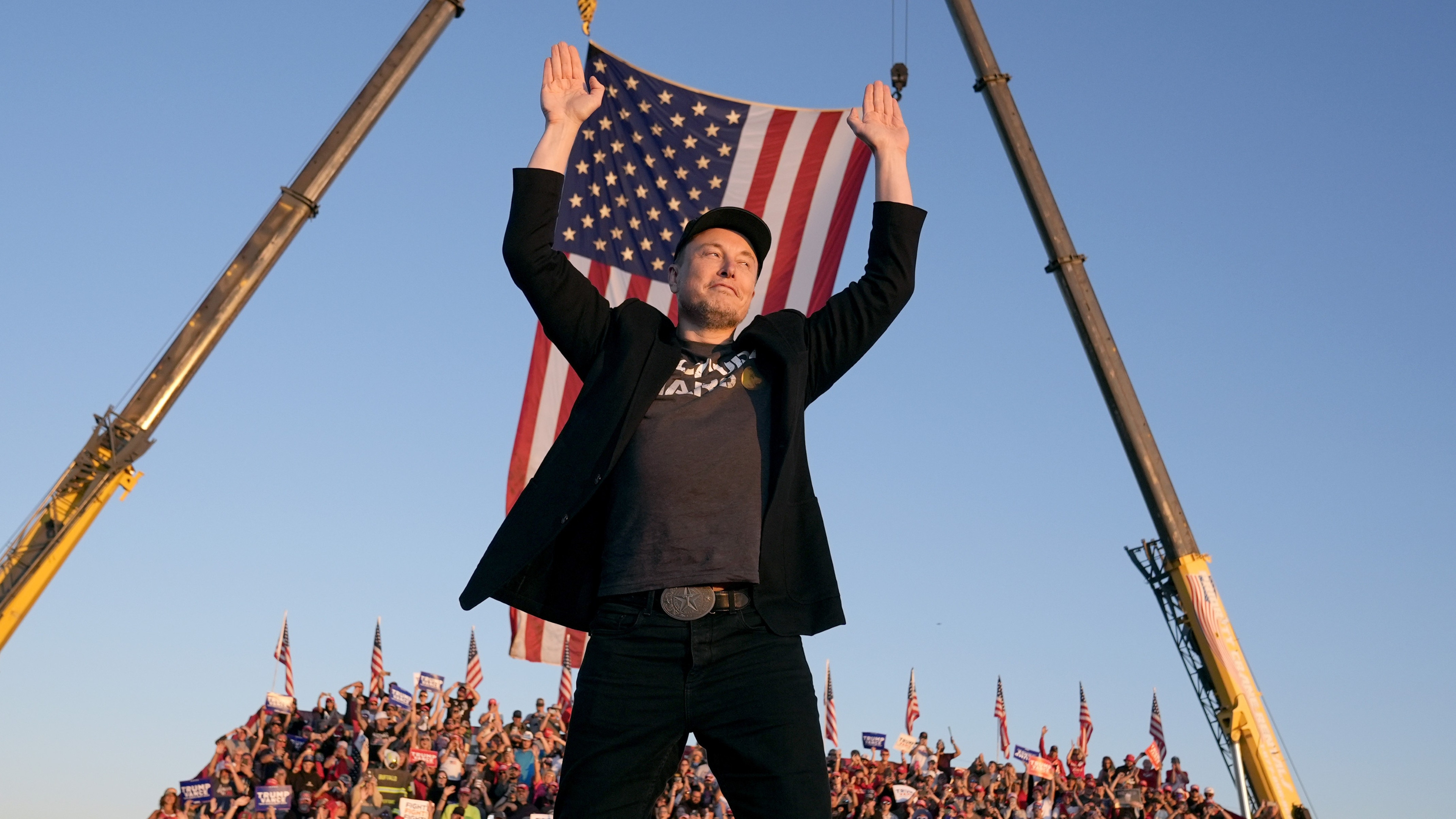
The strategy has a clear logic. If the subject won’t speak, let the record do it. David Byrne’s original song for the film, “Let Me Sell You a Dream”, co-written with composer Daniel Pemberton, follows the same rule and is built around Musk’s own words. The device also divides critics. Some find the avatar a clever way to keep the man present on screen. Others call it unnecessary, and a few describe it as an outright distraction from the material around it.
How Two Hours Became Four
Gibney has said the film began as a roughly two-hour project and grew to nearly four after Musk endorsed Donald Trump and became a close aide to the president. That origin story explains the shape of the finished picture. The first stretches trace a recognisable arc: the dot-com era, Tesla, SpaceX, then the purchase of Twitter that helped make Musk the world’s richest person. The back half pivots to politics, and the film’s argument comes into focus.
“Does power corrupt a person, or simply reveal them?”
That is the question Gibney says he is asking. In interviews he has described the film as a study of how absolute power corrupts, or at least how it exposes character, and he has framed it as a call to take power back from what he calls tech oligarchs. Viewers who know his earlier work on Enron and Scientology will recognise the method: a charismatic institution-builder, a devoted following, big promises, and a trail of people who say they were burned.
Timing matters here, too. Deep Focus Review notes that Gibney has made no secret of wanting audiences to see the film before voters went to the polls in the 2026 US midterms, and Bleecker Street moved the American release up a week, from October 16 to October 9. Whatever one makes of the film’s politics, it arrived as an openly topical piece, built to be argued over while the events it covers are still unfolding.
The People Who Stay With You
For all its scale, Musk is at its best in small rooms. Several reviewers single out the interviews with the people closest to him, and the account from St. Clair in particular, as the moments where the film feels most human and least like a thesis. Time Out reports that testimony from Justine Musk and St. Clair paints a harsh portrait of his private life. Variety, meanwhile, was struck most by the film’s detailed history of Musk’s push to bring self-driving cars to market, a technology it suggests he pursued with more haste than caution.
The film also gives space to the technical voices. Geoffrey Hinton, the AI pioneer, appears to raise concerns about how large troves of personal data might be misused, a thread that links the story of Musk’s companies to the bigger question of who controls the systems society increasingly relies on. It is a smart way of keeping the film from becoming only a character study. The argument is that the man matters because of the machinery he controls, and the interviews with Hinton, Eberhard and the journalists are what carry that point.
There is a trade-off here, and the film’s more careful critics have named it. In Review Online notes that the picture offers little in the way of revelations that weren’t already public, and flags one claim from St. Clair as unverified and dubious on its face. Another reviewer says the controversies are largely known, and that the film meanders through a four-hour reconstruction of them.
Where the Film Overreaches
The harshest notes concern tone. The first-person-shooter sequence is the clearest example. For its defenders it is a pointed, even funny way to dramatise mass layoffs. For its critics it tips into glibness at exactly the moment the subject calls for precision. A small number of reviewers, including some who are openly unsympathetic to Musk, say the film wore them out, then irritated them, well before the end.
Length is the other recurring complaint. A four-hour running time, with an intermission, demands a viewer who is already invested, and at least one critic argues the material would have been better suited to a miniseries that gave each era room to breathe. A few go further, saying the film isn’t interested in fairness and will mostly satisfy viewers who already agree with it. Both points have force. A documentary that argues a case this hard will always be read, fairly or not, through the viewer’s prior opinion of its subject.
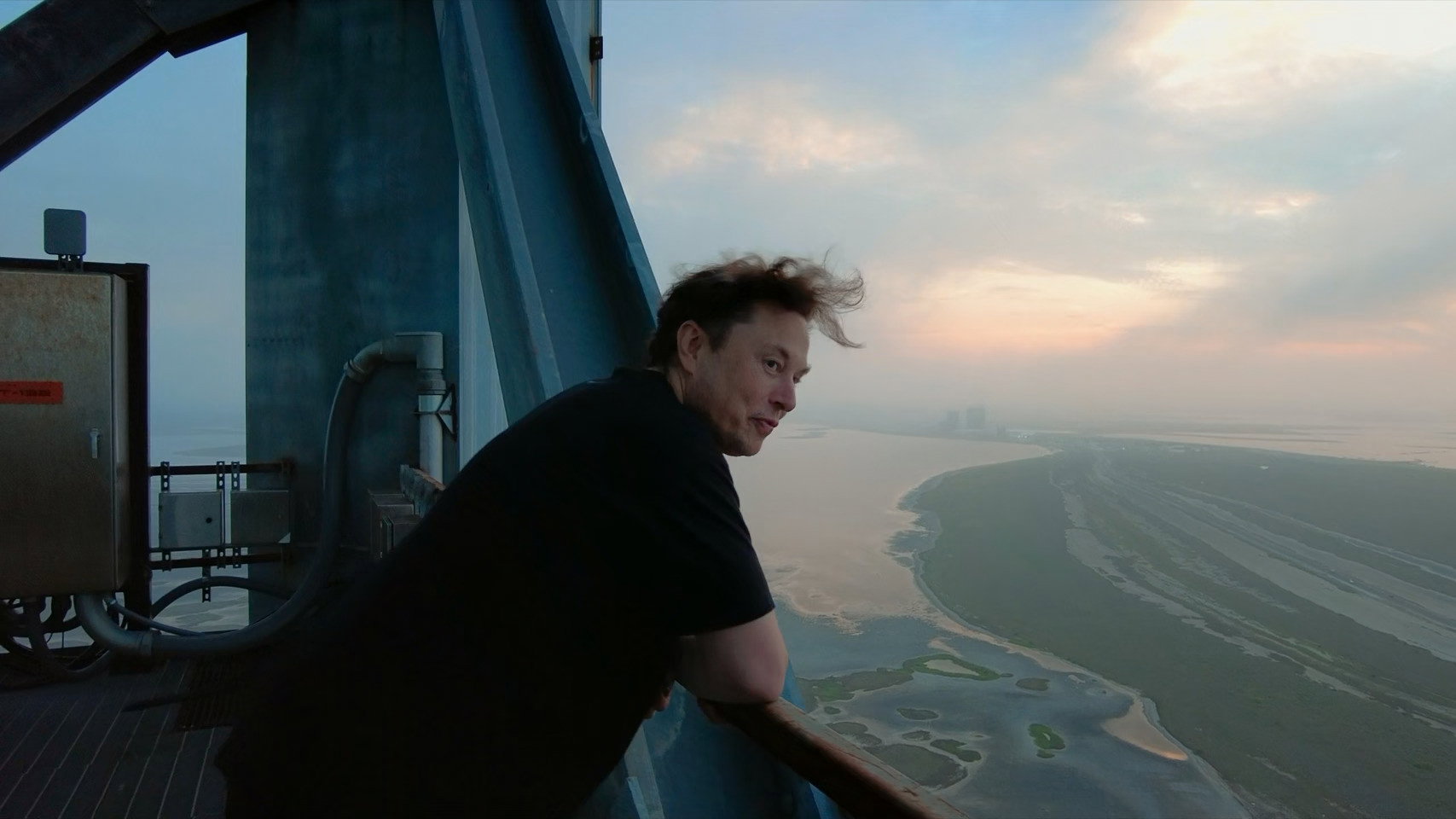
It is worth saying plainly what the film is and isn’t. It is not a neutral profile, and it doesn’t pretend to be one. Gibney’s stated aim is to provoke a conversation about concentrated power, and the picture is structured to serve that aim. If you treat it as an argument, one made by a skilled filmmaker with a large body of evidence and a clear point of view, then its flaws look like the usual risks of the form. If you expect a referee, you will be disappointed within the first hour.
What Musk Says About It
The subject has not been shy about responding. Musk has dismissed the film as a hit piece that misses and called it a “psy op”, and he reportedly urged his followers to defend him against its claims. NPR reported that one of his lawyers threatened to sue Gibney for defamation over a claim in the film about lasers. Gibney’s response, back when the project was first reported, was to ask how Musk could know, since he hadn’t seen it.
None of that settles anything. It does show why the film landed with so much noise: a subject who rejects it wholesale, a director who says he made it as a provocation for public debate, and an audience arriving with strong feelings either way.
How It Was Received
Critics were largely on Gibney’s side. At its Venice premiere the film earned a perfect score on Rotten Tomatoes from its first 14 reviews and a 77 on Metacritic, which counts as generally favourable, and the Metacritic page still carries that label. Variety’s Owen Gleiberman called it lacerating and important, Time Out gave it four stars, and Deep Focus Review argued it was essential viewing. On the other side, dissenters question its fairness, its length and its more theatrical devices.
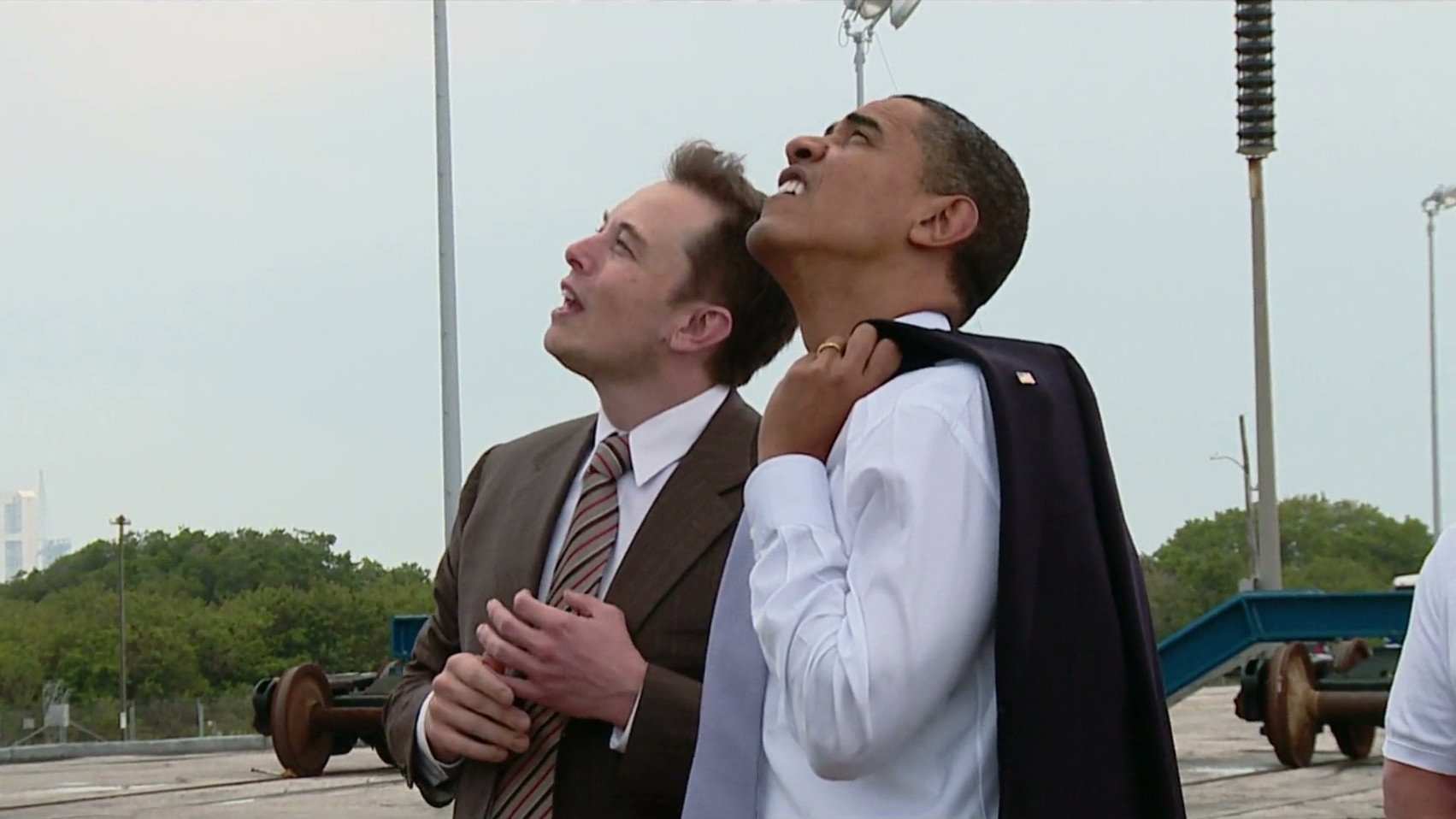
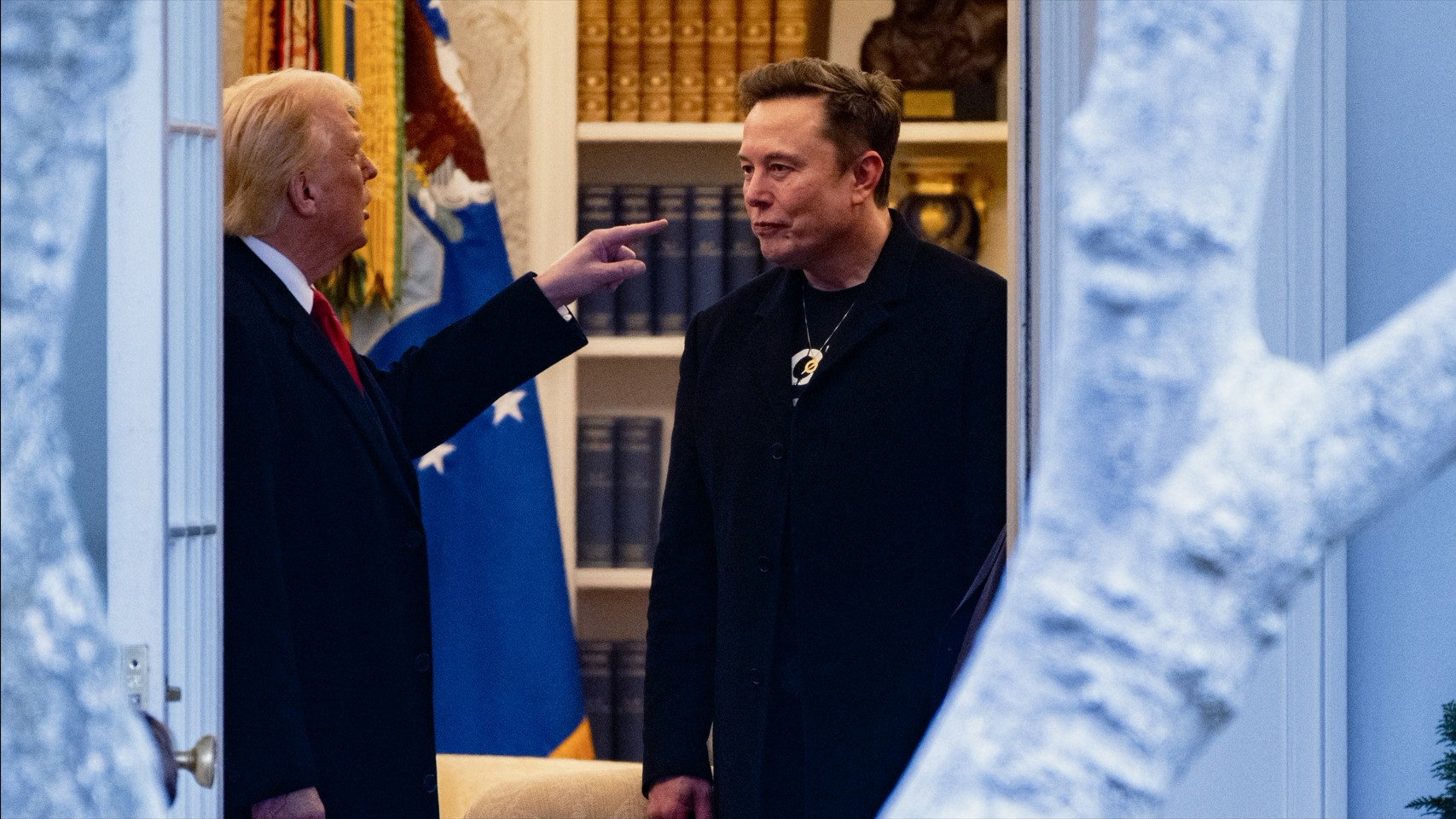
The film also won the award for Best Biographical Documentary at the Critics’ Choice Documentary Awards on November 8, 2026, and was nominated for Best Documentary Feature and Best Political Documentary there.
The Verdict
Musk is a serious, ambitious and unapologetically one-sided work of advocacy filmmaking. Its strengths are consistent across the coverage: the reach of its research, the quality of its interviewees, and a clear argument about how wealth and influence now overlap. Its weaknesses are just as consistent: a punishing runtime, a handful of tonal misfires, and a worldview that will not persuade anyone who walked in unpersuaded.
As filmmaking, it is polished and confident. Gibney and editor Michael J. Palmer keep a four-hour narrative moving, and by most accounts the pace holds better than the running time suggests. Pemberton’s score and Byrne’s song add a sardonic edge, and the digital Musk gives the material a visual spine it might otherwise lack. Those choices are also exactly what the film’s detractors object to, which tells you how much of the response comes down to taste as well as politics.
Whether it works for you depends on what you want from a documentary. Viewers after a balanced, even-handed profile will find the film’s point of view hard to ignore. Viewers who want a sustained, well-sourced argument about power, and who have an evening to spare, are likely to find it absorbing and unsettling in equal measure. Either way, it is difficult to shrug off.
Where to Watch
Musk opened in US theatres on October 9, 2026 via Bleecker Street, with Universal Pictures handling international distribution. HBO holds North American television and streaming rights, so a home release there is expected, though we haven’t confirmed a date. Check local listings or your streaming service for availability in your region.
- Musk (film): credits, release dates and distribution
- Variety: ‘Musk’ Review: Alex Gibney Puts the Pieces of Elon Musk Together
- Time Out: Musk review
- Deep Focus Review: Musk (2026)
- In Review Online: Musk, Alex Gibney
- Metacritic: Musk reviews
- Rotten Tomatoes: Musk
- Reuters via GV Wire: ‘Musk’ director wants viewers to reclaim power from ‘tech oligarchs’
- Letterboxd: Musk (2026)