When Mel Gibson released Apocalypto in 2006, the pitch sounded like career suicide. It was a violent chase film set in the declining days of the Maya civilization, spoken entirely in Yucatec Maya, and cast with Indigenous and Mexican performers almost no audience had heard of. Lead actor Rudy Youngblood had barely any screen credits. The film still made roughly three times its reported $40 million budget worldwide and has since been reappraised as one of the most visceral action films of its decade.

It was not a fluke. Throughout film history, movies with no marquee names have become hits, award winners and cultural landmarks. They share a pattern worth studying.
Why the Star System Became a Safety Net
To understand why these films feel like exceptions, it helps to look at how the business learned to think about risk. In the studio era, actors were signed to long-term contracts and marketed as brands, and for decades the exhibition trade published annual lists ranking the performers who could be counted on to fill theaters. Studios eventually treated a famous name as a form of insurance. If a film cost a great deal to make, a recognizable face made it easier to finance, easier to sell overseas and easier to explain to audiences in a thirty-second trailer.
That logic is still strong today, and it explains why a film with no stars invites skepticism. Yet the same logic has a weakness. A star is expensive, and the cost is paid before a single ticket is sold. When a high-priced lead fails to open a film, the studio carries the loss. A movie with unknown actors has a smaller bill to recover, and if it works, nearly every dollar of the surprise goes to the people who took the risk. The films below show how often that bet has paid off.
When the concept is the star
The most reliable star-free hits are the ones where the premise does the selling.

The Blair Witch Project (1999) was made for a reported budget in the tens of thousands of dollars and grossed around $250 million worldwide. Its three leads were unknown actors, and that was part of the point: the found-footage conceit only worked if the audience believed these were real students who had vanished. A famous face would have broken the spell.
The film’s marketing leaned into the illusion. Its website presented the story as a real missing-persons case, and early listings for the film reportedly described the actors as missing or presumed dead. In the early days of the public internet, that kind of mystery spread through word of mouth far faster than a traditional campaign could have.

Paranormal Activity (2007) repeated the trick with a budget of about $15,000 and a worldwide gross near $190 million. Director Oren Peli shot most of it in his own house, and the distributor built buzz by asking audiences to request midnight screenings in their cities rather than opening wide at once. The strategy turned a tiny film into a shared event, because viewers felt they had helped bring it to theaters.

Night of the Living Dead (1968) did it decades earlier, a micro-budget horror film that became a template for an entire genre. Director George A. Romero made it in and around Pittsburgh with a cast of local and little-known actors, and he cast Duane Jones, a Black actor, as the calm, capable lead at a time when that was rare in American horror. A copyright-notice error early in its release left the film in the public domain, which helped it circulate widely and cemented its reputation as a cult classic.
When the idea is strong enough, audiences buy a ticket for the experience, not the name on the poster.
When authenticity matters more than fame
Apocalypto belongs to a second category: films where casting unknowns is a creative choice that serves realism. The approach has a long lineage, and its most uncompromising early example is Gillo Pontecorvo’s The Battle of Algiers (1966).

Pontecorvo’s dramatization of the Algerian war of independence was shot on location in the streets of the Casbah, in grainy black and white that mimics newsreel footage. He cast almost entirely non-professionals, many of them Algerians who had lived through the events. Brahim Haggiag, who plays the revolutionary Ali La Pointe, was reportedly a street vendor with no acting experience, and Saadi Yacef, a real FLN commander, helped produce the film and plays a character based on himself. The illusion was so convincing that the film opens with a notice stating that no documentary footage was used. It won the Golden Lion at Venice, earned Oscar nominations for Pontecorvo’s direction and screenplay, and remains a fixture on lists of the greatest films ever made. It was not a box-office phenomenon, but its influence has been enormous: it was restricted in France for years and reportedly screened at the Pentagon in 2003 for its insights into insurgency.
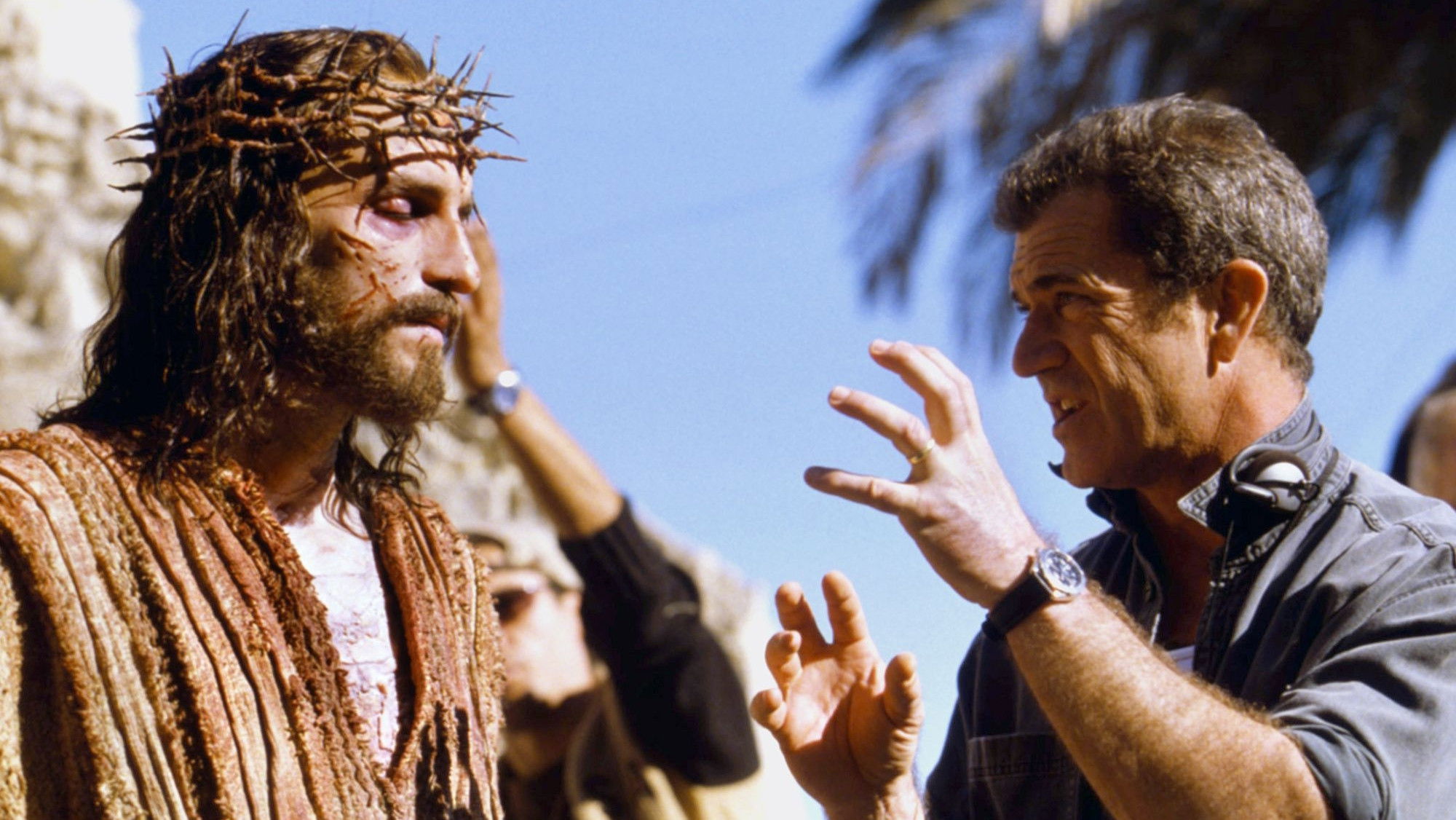
Gibson’s own The Passion of the Christ (2004) took a different route to a similar place. It was set in Aramaic, Latin and Hebrew, with subtitles and no major Hollywood draw in the cast. Jim Caviezel was a respected actor but not a box-office name. The film earned over $600 million worldwide on a roughly $30 million budget, one of the most profitable independent releases ever. Gibson financed it largely himself after studios declined, and its audience came in large part through churches and community groups that organized group outings, a distribution channel that traditional marketing rarely reaches.

City of God (2002) used non-professional actors, many from the favelas of Rio de Janeiro, and the rawness on screen is inseparable from that choice. Director Fernando Meirelles worked with co-director Kátia Lund and trained the young performers through acting workshops before shooting began, which gave the ensemble a natural rhythm. It earned four Oscar nominations and a lasting place on lists of the best films of its era.

Roma (2018) built its emotional center around Yalitza Aparicio, a first-time actress who had been training as a teacher. Alfonso Cuarón drew the story from his own childhood in Mexico City and cast people who could carry its quiet, observational style. Aparicio earned an Oscar nomination, and the film earned ten nominations overall, winning three, including Best Director.
In each case, the performers’ unfamiliarity makes the world feel lived in rather than staged. You never think “that’s a famous person playing a Maya hunter” or “that’s an actor playing a revolutionary.” You just see the person.
When a great story discovers its own stars
Some of the most celebrated films cast unknowns and then made them famous.
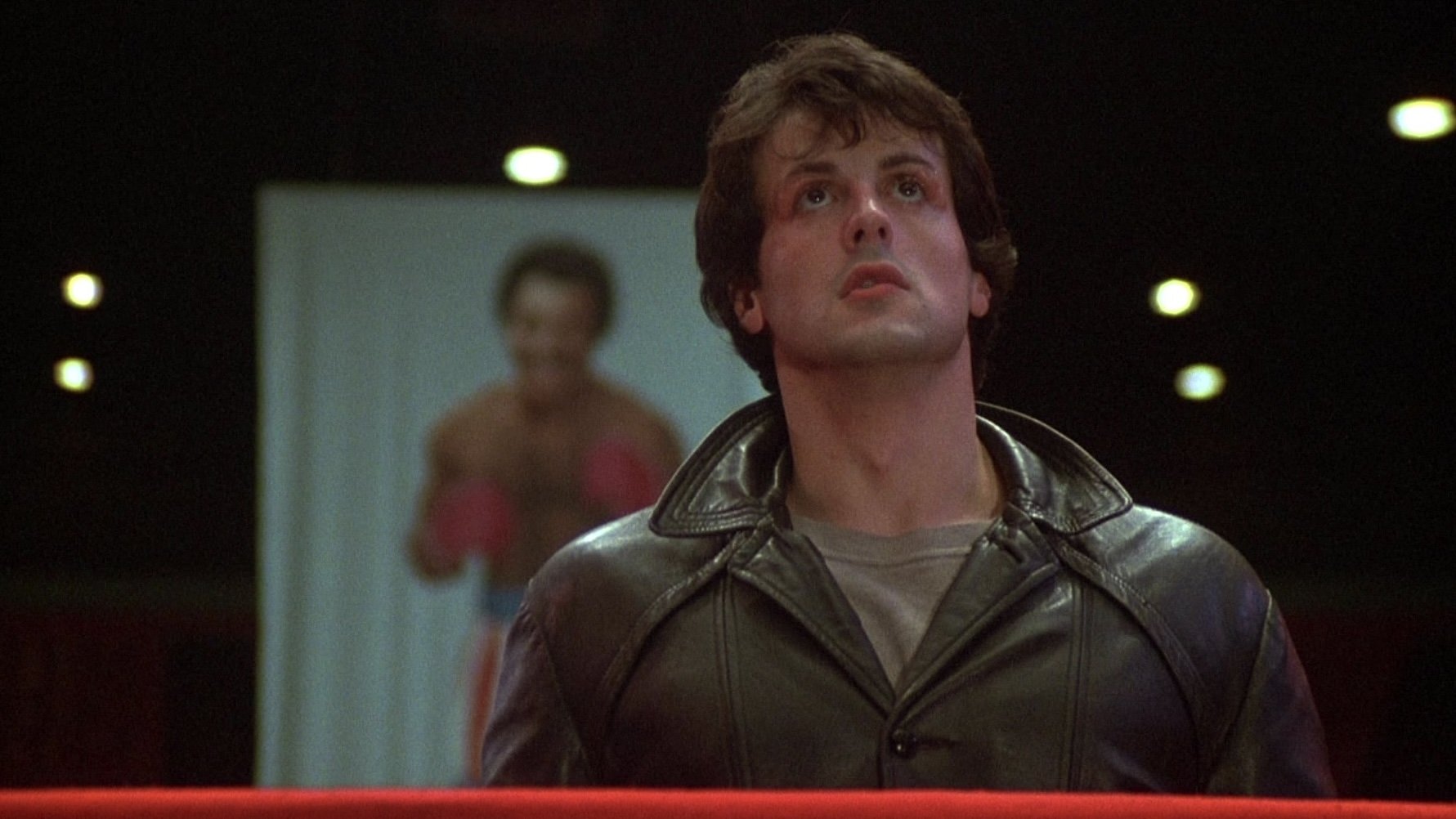
Rocky (1976) starred Sylvester Stallone, then a struggling actor who had fought to be cast in his own screenplay. The film won Best Picture and spawned a franchise. Stallone has often said that he turned down offers for the script because the studio would not let him play the lead, and the stubbornness shaped the result: the character’s underdog determination mirrored the actor’s own situation.

Slumdog Millionaire (2008) had a budget of about $15 million and a cast of relative newcomers led by Dev Patel. It grossed close to $380 million and won eight Oscars, including Best Picture. Patel had appeared in a British television series but was largely unknown to film audiences, and the young actors who played the leads as children were cast from Mumbai’s slums and neighborhoods. Danny Boyle’s kinetic direction gave the film its energy, and the cast gave it its heart.
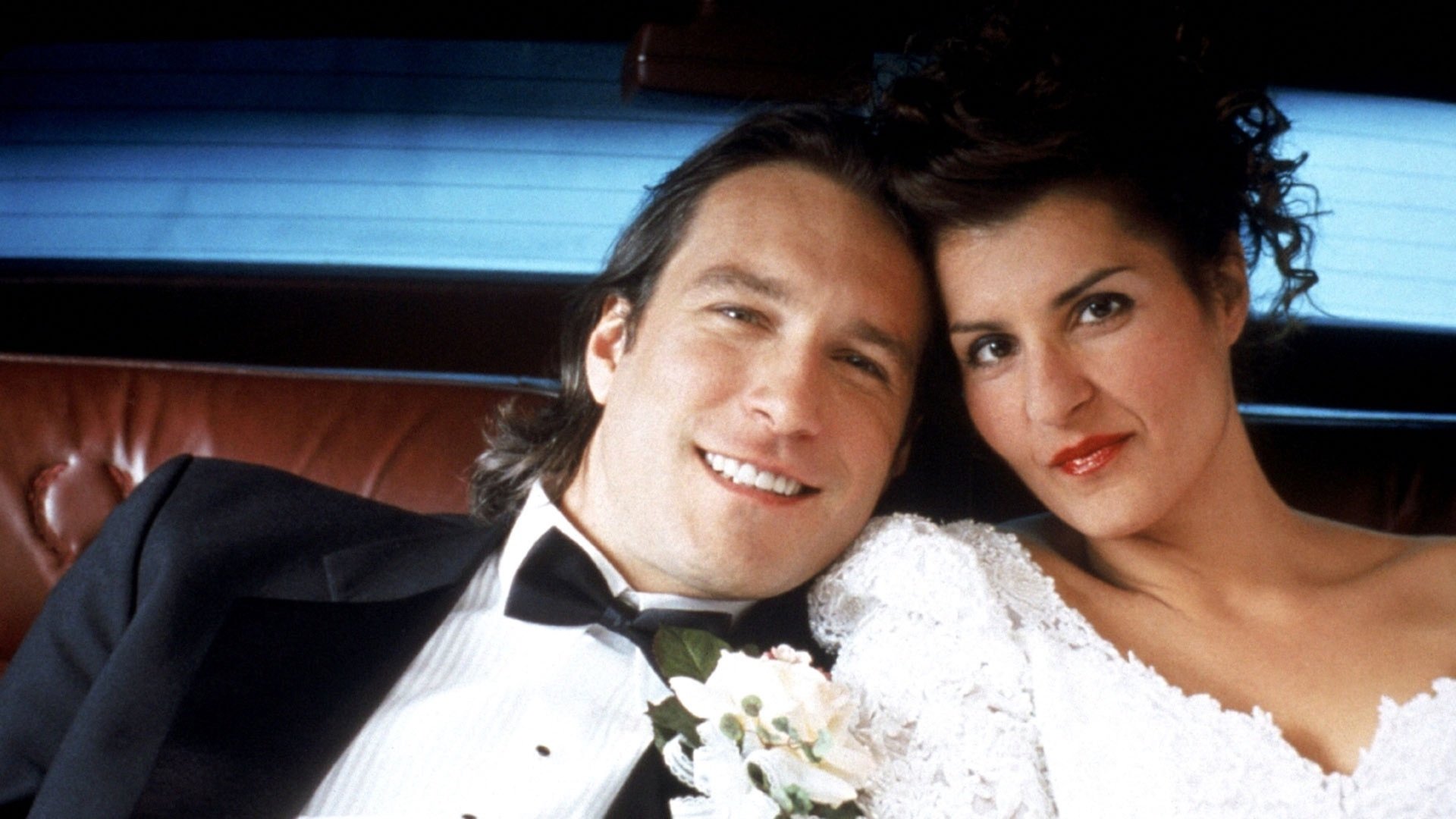
My Big Fat Greek Wedding (2002) cost around $5 million and went on to earn well over $350 million worldwide, becoming one of the highest-grossing romantic comedies ever. It came from Nia Vardalos’s own one-woman stage show, with a cast of character actors rather than stars. Its success came slowly, as audiences told friends and relatives to see it, and it stayed in theaters for months.

Parasite (2019) featured an ensemble well known in South Korea but with little name recognition among mainstream international audiences. It earned about $260 million worldwide and made history as the first non-English-language film to win the Best Picture Oscar. It had already won the Palme d’Or at Cannes, and it went on to win four Oscars in total. Bong Joon-ho’s sharp class satire proved that subtitles were no barrier when the story was strong enough.
Why it works
Looking across these films, a few common threads emerge:
- A strong, clear hook: Each of these films can be described in a sentence and leaves you curious. A man must outrun his captors to save his family. Students vanish in the woods. A game-show contestant knows every answer for a reason. A city rises against an occupying army.
- Lower costs mean lower risk: Without star salaries, budgets stay small, so a modest audience can still produce a large profit. That is why so many of these films appear on lists of the most profitable movies ever made.
- Immersion: Audiences carry baggage with famous actors. An unknown face asks nothing of the viewer except belief.
- Filmmaker vision: Without a star to build the movie around, the director’s voice becomes the draw. Gibson, Pontecorvo, Alfonso Cuarón, Bong Joon-ho and Danny Boyle were each the real marquee name.
- Word of mouth and reputation: Without a marketing push built around a face, these films live and die by recommendations and critical standing. Success can also mean something other than profit: The Battle of Algiers earned its place through influence rather than ticket sales.
The Math Behind the Surprises
The profit figures are the most striking part of the story. A film that costs $15,000 and earns $190 million, as Paranormal Activity did, produces a return that no franchise sequel can match. Even the more conventionally financed titles on this list, such as Slumdog Millionaire and My Big Fat Greek Wedding, earned many times their cost. These numbers explain why studios keep funding small films despite the star system. A handful of breakouts can pay for many quiet failures.
The caveat is that survivorship colors the picture. For every Blair Witch, countless low-budget films with unknown casts disappear without a theatrical release. The films on this list succeeded because they paired their casting choices with a distinctive idea, a skilled director or a marketing approach that matched the material. Removing the stars is a strategy only when something else is carrying the weight.
What Audiences Are Really Buying
The pattern raises a fair question about how much a famous face is worth. Surveys of moviegoers have long shown that genre, story and reviews influence decisions at least as much as cast. A star can draw attention in the first weekend, but a film’s staying power depends on what viewers say to one another afterward. The films discussed here lasted because audiences found something they wanted to share, whether it was a scare, a real-life drama or a love story with a big family attached.
That does not mean stars are unimportant. Many of the performers on this list became famous because of their roles, and several of the directors, including Boyle and Cuarón, were already known to cinephiles. Instead, the lesson is about balance. When the material is exceptional, an unfamiliar cast can feel like a feature rather than a drawback.
The takeaway
Stars can open a movie, but they cannot make one great. Apocalypto proved that a studio could bet on a language no one speaks anymore, a cast no one knew, and a story told almost entirely through action and image, and still fill theaters. The best of these films remind us that audiences are hungrier for a compelling experience than for a familiar name.
Note: Box-office and budget figures are approximate and vary by source.