Ben Affleck says making Justice League was the lowest point of his career, according to Deadline. He made the comments on the Happy Sad Confused podcast, where he looked back on the troubled production and how Warner Bros. handled it.
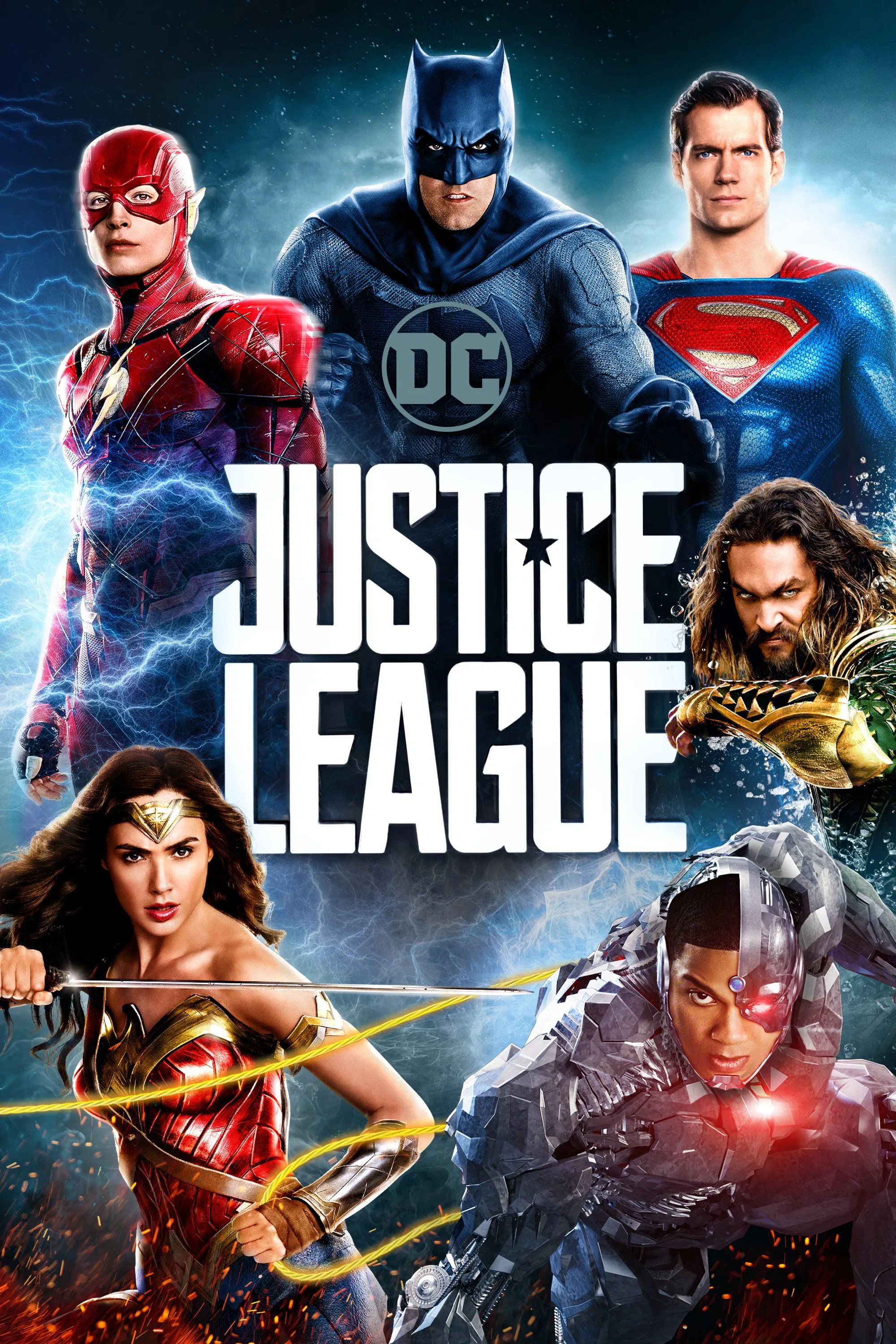
The interview revisits one of the most discussed productions of the superhero era, nearly nine years after the film reached theaters. Affleck's account focuses less on the finished movie than on the way the studio and the filmmakers worked together, or failed to, while it was being made.
The Film in Context
Justice League was meant to bring DC's best-known heroes together on screen, with Affleck as Batman alongside Henry Cavill as Superman, Gal Gadot as Wonder Woman, Jason Momoa as Aquaman, Ezra Miller as The Flash and Ray Fisher as Cyborg. It followed Batman v Superman: Dawn of Justice and was positioned as the payoff to years of setup. The expectations attached to it were correspondingly large, which made the troubled production all the more visible once the details began to emerge.
Why Affleck Calls It a Career Low
Affleck said the experience was negative for several reasons, including where he was personally at the time and a tragedy that struck during production. He also said it showed him how not to make a film of that scale, arguing that a studio at odds with its filmmaker is a recipe for failure. He pointed to Zack Snyder being removed from the project and the reshoots that followed as the low point.
The framing is notable for what it leaves out as well as what it includes. Affleck did not single out the finished film's reception as the main problem. Instead, he placed the difficulty in the production process, describing a situation in which the relationship between the company funding the film and the director shaping it had broken down. In his telling, that breakdown affected everything that followed.
Remarks on the Snyder Family Tragedy
The Tab reports that Affleck also called the way Snyder's family tragedy was treated “gross,” saying he felt it was used as an excuse. He made the remarks while explaining why he ultimately abandoned plans to direct his own standalone Batman film.
The comment is a sensitive one, since it touches on a personal loss in the life of a filmmaker. Snyder stepped back from the film in 2017, and Joss Whedon oversaw the additional photography and completed the version that reached theaters that November. Affleck's remark suggests that he believed the circumstances of Snyder's departure were treated as a convenient explanation rather than handled with the care he thought they deserved.
The Batman Film That Never Happened
Affleck had been attached to direct a standalone Batman film in addition to playing the character, and the experience on Justice League was part of why he stepped away from those plans. The role of Batman had previously brought him into Batman v Superman: Dawn of Justice in 2016, and the character later appeared in other DC projects. A different Batman film, starring Robert Pattinson, reached theaters in 2022, but Affleck's own version never moved forward.
Studio Tensions and the Question of Committees
The interview follows a recent conversation with Variety, reported by JoBlo, in which Affleck criticized the studio tensions over which version of the film to release. He said making a movie by committee does not work well.
The two sets of remarks point in the same direction. In both, Affleck describes a project in which competing voices pulled the film in different directions, leaving no single vision in control. That criticism does not target any one person so much as the structure that governed the production, and it echoes a long-running complaint among filmmakers about decision-making that is spread across too many hands.
A History of Candid Reflections
Affleck has been critical of the film before. He described it as the “worst experience” in a 2022 Los Angeles Times interview, according to Rolling Stone. Snyder's original vision was eventually released as Zack Snyder's Justice League on HBO Max in March 2021.
The release of that version gave the story an unusual afterlife. Fans had campaigned for years for the director's cut to be made available, and the studio ultimately agreed, producing a film that ran far longer than the theatrical cut and presented a markedly different take on the same story. Against that background, Affleck's latest comments read as a continuation of a candid reassessment rather than a sudden change of position.
Retrospective accounts from the people who worked on a film often carry a different weight than contemporary reviews, because they describe the decisions that shaped the result. In this case, Affleck's description centers on the relationship between a studio and its director, a subject that has also surfaced in discussions of other large franchise productions, and it offers one participant's view of why the project struggled.
His remarks also come at a time when he is back in the public eye as a director, and they add to a record of an actor who has been unusually frank about the difficult periods in his career.
- Deadline: Ben Affleck Says 'Justice League' Was A "Low Point" In His Career
- The Tab: 'As gross as it gets': Ben Affleck goes in on Zack Snyder's Justice League exit
- JoBlo: Ben Affleck Explains Why Directing by Committee Ruined the Original Release of Justice League
- Rolling Stone: Ben Affleck 'Not Interested' in Superhero Genre, Calls Playing Batman 'Excruciating'