Godzilla Minus Zero has opened with the biggest first day any live-action film has ever recorded in Japan, and Takashi Yamazaki’s R-rated sequel now turns to North America, where it reaches theaters on Friday, November 6. Toho announced on Wednesday that the film sold about 590,000 tickets and earned ¥910 million, roughly US$5.75 million, on Tuesday, November 3, a record that covers both domestic and imported live-action releases.
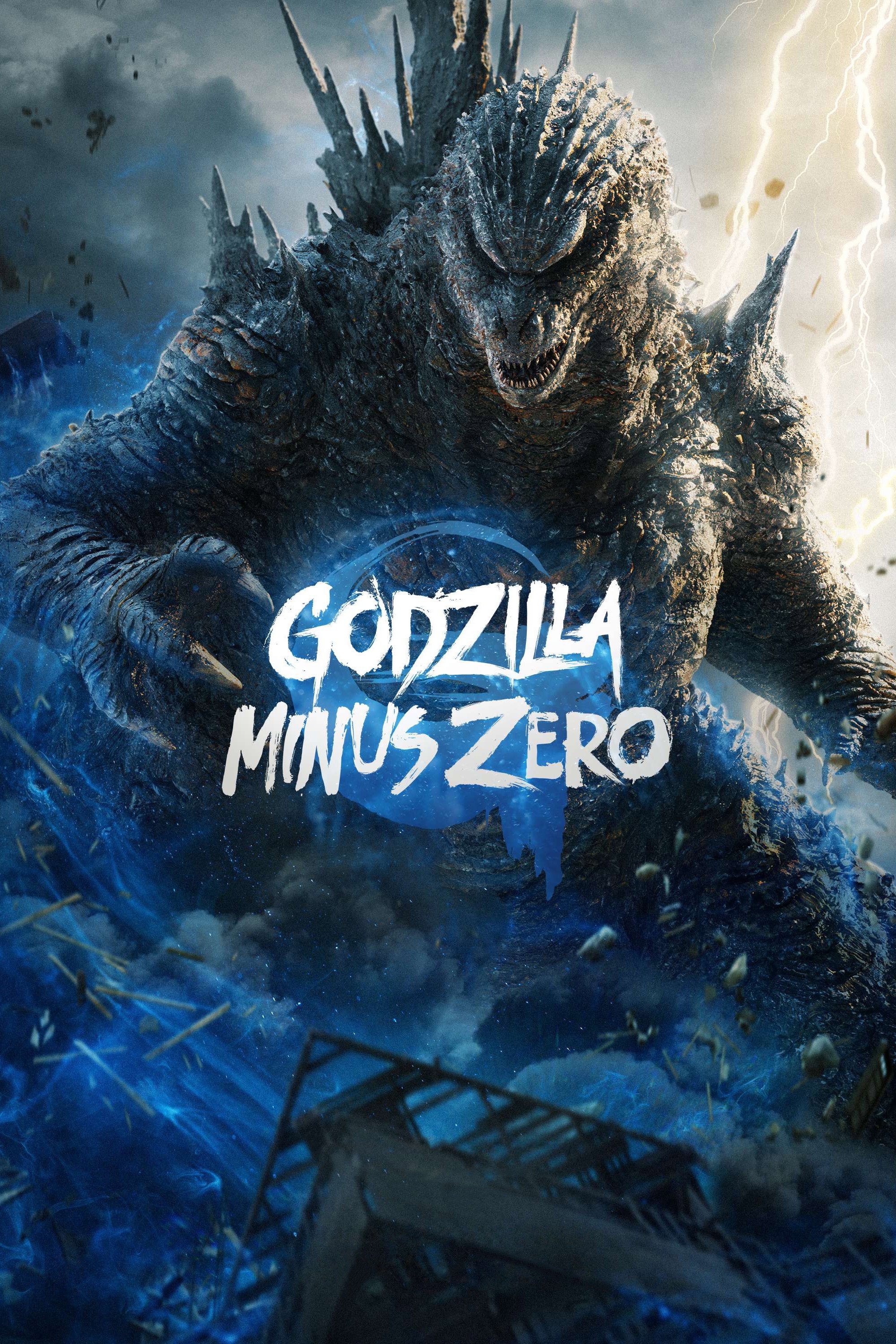
The result is more than double what Godzilla Minus One earned on its own opening day in 2023, and it arrives with strong festival response, a franchise-first R rating and a worldwide rollout that begins in the same week. With critics broadly positive, even if the sequel has not matched the near-perfect reviews of its Oscar-winning predecessor, the film enters its first full weekend carrying some of the highest expectations the series has ever faced.
- Godzilla Minus Zero earned ¥910 million (about US$5.75 million) from roughly 590,000 admissions on its November 3 opening day in Japan
- That is a live-action opening-day record in Japan and about 201 percent of the opening day of Godzilla Minus One
- The film is the first R-rated Godzilla movie and the first Japanese production to be filmed for IMAX
- GKIDS releases it in North America on November 6, with the film opening across much of the world the same week
- Rotten Tomatoes lists the film as Certified Fresh at 89 percent from 84 reviews
A record built on Godzilla Day
The film opened in Japan on November 3, the date known there as Godzilla Day because it marks the anniversary of the original Godzilla, which reached Japanese theaters on that date in 1954. Godzilla Minus One opened on the same date in 2023, which makes the comparison unusually clean. According to a report from Pixel Twelve, that earlier film took in about ¥452 million on its first day, while Toho puts the new film’s opening at 201 percent of the predecessor’s.
Context matters for a single-day number. November 3 is a national holiday in Japan, so the release enjoyed a day when many people were off work and school, and trade coverage has noted that the first full weekend, November 7 and 8, will say more about how long the run can last. Still, Japanese industry forecasts cited by Deadline see the film finishing above ¥10 billion, around US$63 million. That would make it the first Godzilla film to cross the ¥10 billion line at the Japanese box office. The current benchmark for the franchise is Shin Godzilla, which collected ¥8.25 billion after its 2016 release.
The all-time opening-day record in Japan for any film still belongs to anime, but a live-action title taking the top spot among both local and foreign releases is a notable shift for a series that spent decades as a mid-budget domestic staple. The official Minus Zero account on X has already said the strong start puts the 10 billion yen milestone within reach.
What the sequel is about
Yamazaki, who wrote and directed the film and also supervised its visual effects, sets the story in 1949, two years after the events of Godzilla Minus One. Ryunosuke Kamiki returns as former kamikaze pilot Kōichi Shikishima, Minami Hamabe is back as Noriko Ōishi, and Sae Nagatani plays their adopted daughter, Akiko. Japan is slowly rebuilding after the war and the first Godzilla attack, and Godzilla is believed to be gone, when a new catastrophe arrives in the form of King Ghidorah.
The three-headed monster tears through Japanese cities, including Matsumoto, and conventional weapons prove largely useless against it. Familiar faces from the first film return to find a solution: Hidetaka Yoshioka as Kenji Noda, who now runs the Large-Scale Disaster Response Bureau, and Min Tanaka as the scientist Murakami. Their plan involves luring Godzilla, who turns out to be alive and regenerating, toward the new threat. Reviews also describe a role for American occupation forces whose motives are not entirely charitable, and a thread involving Noriko that resolves the mysterious mark on her neck from the first film.
Yamazaki has said he did not want the film to turn into what he called a “giant pro wrestling match” between two monsters. In an interview with SFX magazine, he explained that the relationship between people and kaiju remains central and that the dramatic lines are more blurred this time. In a separate conversation with TIME, he described the film as a response to Oppenheimer, a reminder that the series still carries the postwar anxieties that shaped the 1954 original.
Why Ghidorah, and why Matsumoto
The choice of monster is personal for the director. Yamazaki grew up in Matsumoto, and he told Reuters that as a child he waited eagerly for the 1964 film Ghidorah, the Three-Headed Monster because he hoped to watch the creature wreck his hometown on screen. Decades later, he said, he made the footage he wanted to show his younger self, as if asking, “This is what you wanted to see, isn’t it?”
The film marks King Ghidorah’s first appearance in a mainline Godzilla movie since Godzilla, Mothra and King Ghidorah: Giant Monsters All-Out Attack in 2001, a gap of 24 years. Its title also carries a quiet nod to the character, since Ghidorah’s classic alias is Monster Zero. The cast has spoken about the pressure of following an Oscar winner. Hamabe has said expectations are higher this time, while Yamazaki told the crew not to chase the success of the first film and to concentrate on delivering the best possible Godzilla spectacle. Kamiki, speaking about the franchise’s longevity, said the character endures because it reflects the concerns of each generation.
The first R-rated Godzilla film
The Motion Picture Association rated the film R for violent content and bloody images, the first time in the franchise’s 72-year history that a Godzilla movie has received that classification. Godzilla Minus One was rated PG-13. Yamazaki told Variety that a studio and a director naturally want the widest possible audience, and that an R rating could look like “a barrier to entry.” He added that the success of other R-rated hits has made the decision easier, and reports indicate he chose to keep the material rather than trim the film for a lower rating.
The film is also the first Japanese production to be filmed for IMAX, and it is being released in IMAX in Japan and North America. Principal photography ran from August through December 2025 across Japan, New Zealand and Norway, with Shirogumi handling visual effects. The budget has been reported at more than US$15 million, still modest by Hollywood blockbuster standards and above the sub-$15 million cost of the first film. During production, director James Cameron reportedly told Yamazaki at a Tokyo event that he would gladly help direct a second unit if the schedule slipped, an offer Yamazaki answered with a joke.
What critics are saying
The film had its world premiere at the New York Film Festival on September 26 and opened to a Rotten Tomatoes score in the low-to-mid 90s on its first batch of reviews. The score has settled lower as more critics have weighed in, and Rotten Tomatoes now lists the film as Certified Fresh at 89 percent based on 84 reviews. By comparison, Godzilla Minus One holds 99 percent from more than 200 critics. At its debut the sequel stood at 78 on Metacritic, against 81 for the original.
Among the most enthusiastic reviews, Collider’s Victoria Luxford gave the film a 10 out of 10 and called it a “perfect sequel,” while Polygon’s Jake Kleinman argued that it is the best Godzilla movie ever made. There are dissenters. Jake Coyle of the Associated Press wrote that the film does not stick the landing, and Nick Schager of The Daily Beast felt its moments of thunderous majesty were too rare. Reviews that land on the lower side tend to agree on the same point: the sequel is bigger and more spectacular, but looser and less tightly constructed than the first.
Audience reaction has been warmer. The film played as the centerpiece of the Tokyo International Film Festival on November 1, with two sold-out screenings at Hulic Hall Tokyo, where Kamiki and Hamabe appeared and the audience responded with sustained applause, according to The Hollywood Reporter. Its stars have also said the Los Angeles premiere ended in a standing ovation.
The North American box office outlook
GKIDS, the Toho-owned distributor, will release the film in North America on Friday, with preview screenings on Thursday and early IMAX access. It is the first time a Japanese-produced Godzilla film has opened in Japan and North America in the same week, and the film is also rolling out that week across Latin America, Europe, Asia, the Middle East, Australia and New Zealand.
Deadline’s weekend preview projects an opening of more than US$60 million worldwide and says that even a result in the mid-$20 million range in North America would be the biggest debut in GKIDS history, ahead of the $13 million opening of Hayao Miyazaki’s The Boy and the Heron in 2023. Other tracking has pointed to an opening between $25 million and $35 million. For perspective, Godzilla Minus One opened to $11.4 million in North America in December 2023, finished at roughly $57 million there, and reached more than $110 million worldwide on its way to the Academy Award for Best Visual Effects. Deadline also raised the question of whether the Indian epic Ramayana could challenge the sequel on the international chart.
Where the franchise goes from here
The sequel lands at a crowded point in the Godzilla calendar. Legendary’s Monsterverse returns in 2027 with Godzilla x Kong: Supernova, and the staggered schedule fits the long-standing arrangement that keeps competing Godzilla films from reaching theaters in the same calendar year. Yamazaki, meanwhile, is already looking ahead to Grandgear, a giant-robot project set for January 2028 that has cast Sam Nivola, Nico Parker and Paul Giamatti in its lead roles.
Franchise filmmaking is moving quickly elsewhere as well. Every Movie Plug has followed the official X-Men cast announcement from Marvel Studios and the report that Jeremy Allen White met with Marvel about a role in that reboot, two stories that show how studios are rebuilding long-running universes for a new audience. Readers can follow every new release and casting story in the Film News section, and find longer features on the characters and franchises behind them in the articles section.
Quick answers
When does Godzilla Minus Zero come out in North America?
GKIDS releases the film in North American theaters on Friday, November 6, 2026, with preview screenings on Thursday evening and IMAX early access.
How much did Godzilla Minus Zero make on its opening day in Japan?
It earned ¥910 million, about US$5.75 million, from roughly 590,000 admissions on November 3, a live-action opening-day record in Japan.
Is Godzilla Minus Zero rated R?
Yes. The MPA rated it R for violent content and bloody images, making it the first Godzilla film with that rating.
Which monsters appear in the film?
The sequel brings back Godzilla and introduces King Ghidorah, the three-headed monster that first appeared in the 1964 film Ghidorah, the Three-Headed Monster.
Do I need to see Godzilla Minus One first?
The sequel continues the story of the Shikishima family and resolves threads from the first film, so watching Godzilla Minus One first is recommended.
 News
 News
 News
