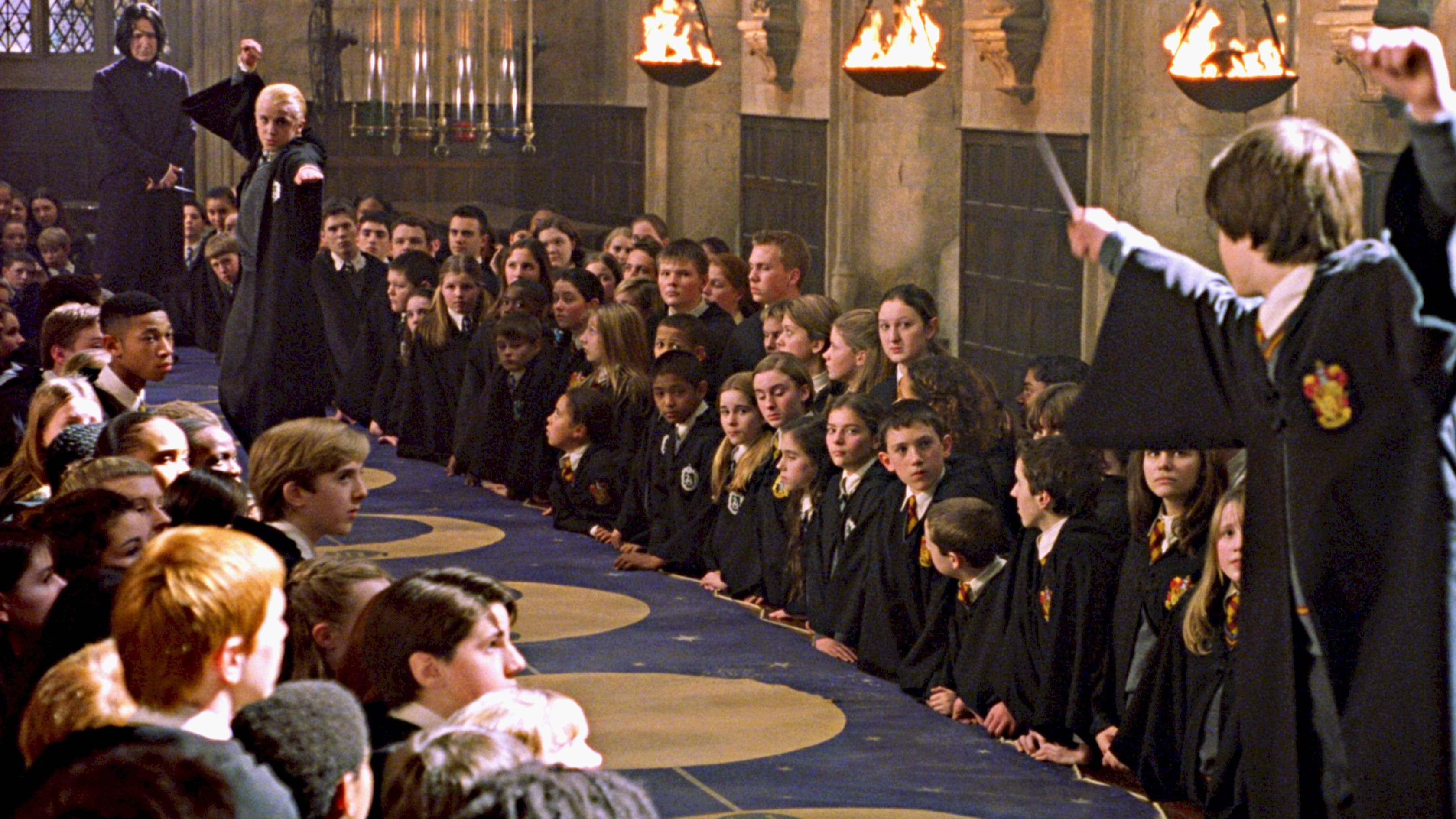
Nine days after Richard Harris died, the cast of Harry Potter and the Chamber of Secrets walked into London’s Leicester Square for the film’s world premiere. Harris had played Albus Dumbledore in the first film and had just finished the second. It would be his last live-action role. The fans lining the street that day were there for a wizard and his friends, but they were also, whether they knew it or not, attending a farewell.
That mix of joy and loss, a franchise at full speed and an actor who would not be coming back, is the quiet subtext of the film that opened in the United Kingdom and the United States on November 15, 2002. It is a blockbuster sequel made in a hurry, on a vast scale, by a studio that had just discovered how big its new series could be. It is also the film that taught Hollywood what a second chapter of a phenomenon could earn. Twenty-four years later, with a new HBO series arriving on Christmas Day, the clearest way to understand it is through the numbers. For the wider story of the whole run, Every Movie Plug has covered it in The Harry Potter Films Changed Hollywood, and We Still Haven’t Left Hogwarts and Harry Potter Is Starting Over, and the Franchise Is Betting Big.
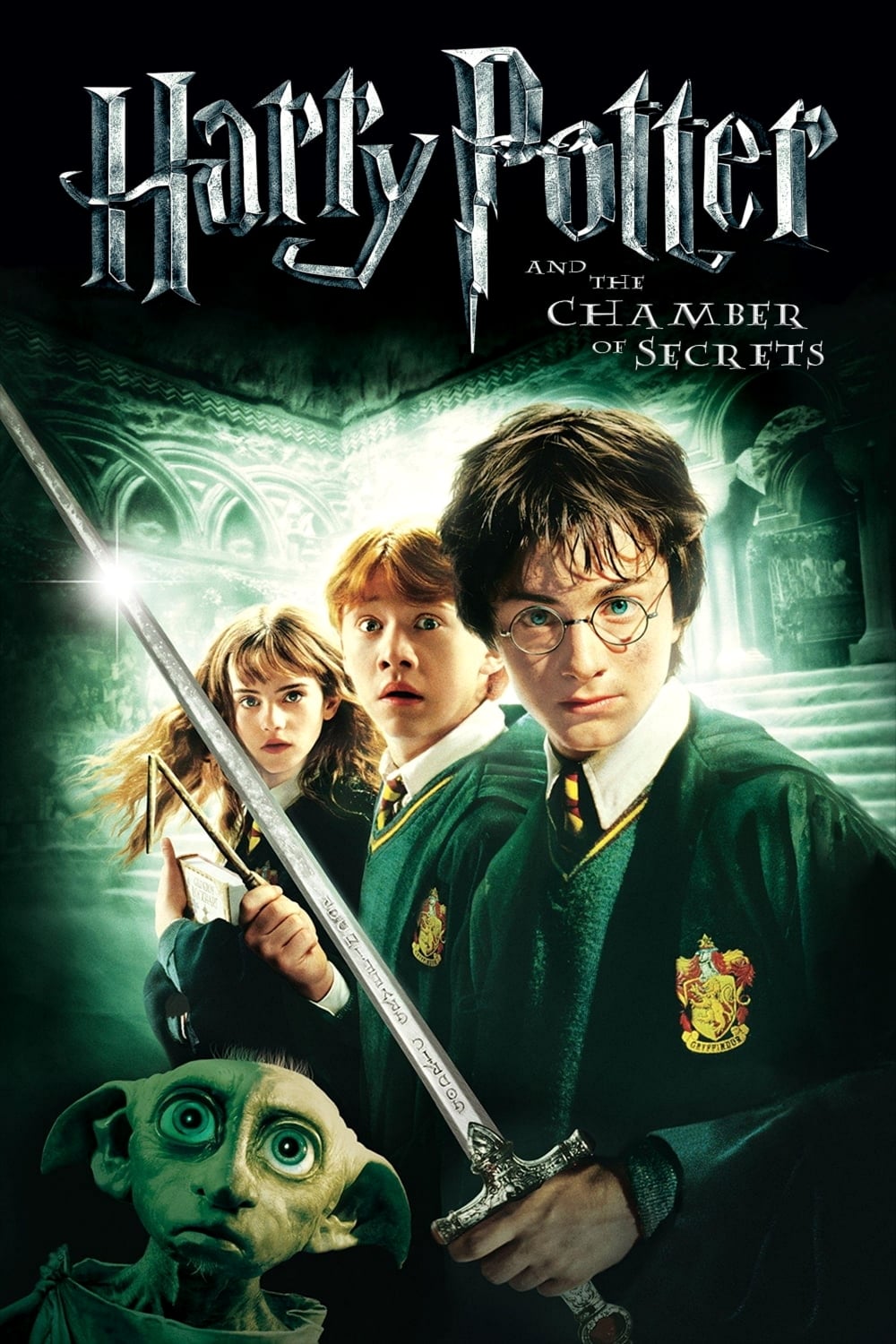
Between a death and a premiere9 days
Harris died on October 25, 2002. The world premiere at the Odeon Leicester Square took place on November 3, and the film reached theaters on both sides of the Atlantic on November 15. His Dumbledore is on screen for only a handful of scenes, including the closing moments, when the headmaster, removed from his post after the school governors turn against him, is reinstated once the school’s victims are restored. It is a gentle scene, and it plays differently when you know it is the actor’s last.
The part passed to Michael Gambon from Prisoner of Azkaban onward, and this Christmas it passes again, to John Lithgow, in HBO’s new series, as laid out in Harry Potter Is Starting Over, and the Franchise Is Betting Big. Studios have faced the same question many times since. Marvel built an entire sequel around an absence in 2022, a choice explored in Today in Cinema, November 11: Seven Ways Black Panther: Wakanda Forever Honors Chadwick Boseman, and the same questions of how to say goodbye are in the air this month in Hollywood Remembers Sir Patrick Stewart: Tributes From Marvel, Star Trek and Co-Stars.
Between one film and the next3 days
Warner Bros. did not wait. The first film, Harry Potter and the Philosopher’s Stone, went into wide release on November 16, 2001. Principal photography on its sequel began three days later, on November 19, with second-unit crews already shooting the flying-car sequence three weeks before. It was an unusual way to make a film, and a sign of how confident the studio was in a series whose young stars were growing in front of the cameras.
Director Chris Columbus had to supervise the editing of the first film while preparing the second, and the schedule did not loosen. Filming ran at Leavesden Film Studios in Hertfordshire until July 2002, and visual effects work continued until October 9, barely five weeks before opening day. The teaser trailer had played in front of Scooby-Doo that June, and a tie-in video game and Lego sets were in stores in early November. Everything about the film was built to arrive on a date, not a deadline.
The age of a 14-year-old ghost37
Casting Chamber of Secrets produced a pleasing run of stories. Shirley Henderson was 37 when she auditioned to play Moaning Myrtle, a teenage ghost who haunts a girls’ bathroom. The casting director urged her to attend anyway and keep her age quiet, and she got the part.
The role of Gilderoy Lockhart, the vain celebrity author who becomes Hogwarts’ new Defence Against the Dark Arts teacher, went through several hands. Hugh Grant was rumored to be the first choice, though Columbus later said he had never met him. Alan Cumming backed out over a salary dispute, Rupert Everett was considered, and Jason Isaacs auditioned for Lockhart before being offered Lucius Malfoy instead, a part he was reluctant to accept because of another commitment, until his family talked him into it. Kenneth Branagh, who finally played Lockhart, won the London Film Critics’ Circle award for British supporting actor.
Isaacs built Lucius’s whine on a childhood memory, the Child Catcher from Chitty Chitty Bang Bang, and he also voiced the basilisk. For Tom Riddle, Voldemort’s younger self, James McAvoy and Eddie Redmayne both auditioned before Christian Coulson won the part. Casting stories like these are a staple of film history, and Every Movie Plug collects more of them in 10 Actors Who Turned Down Roles That Became Legendary.
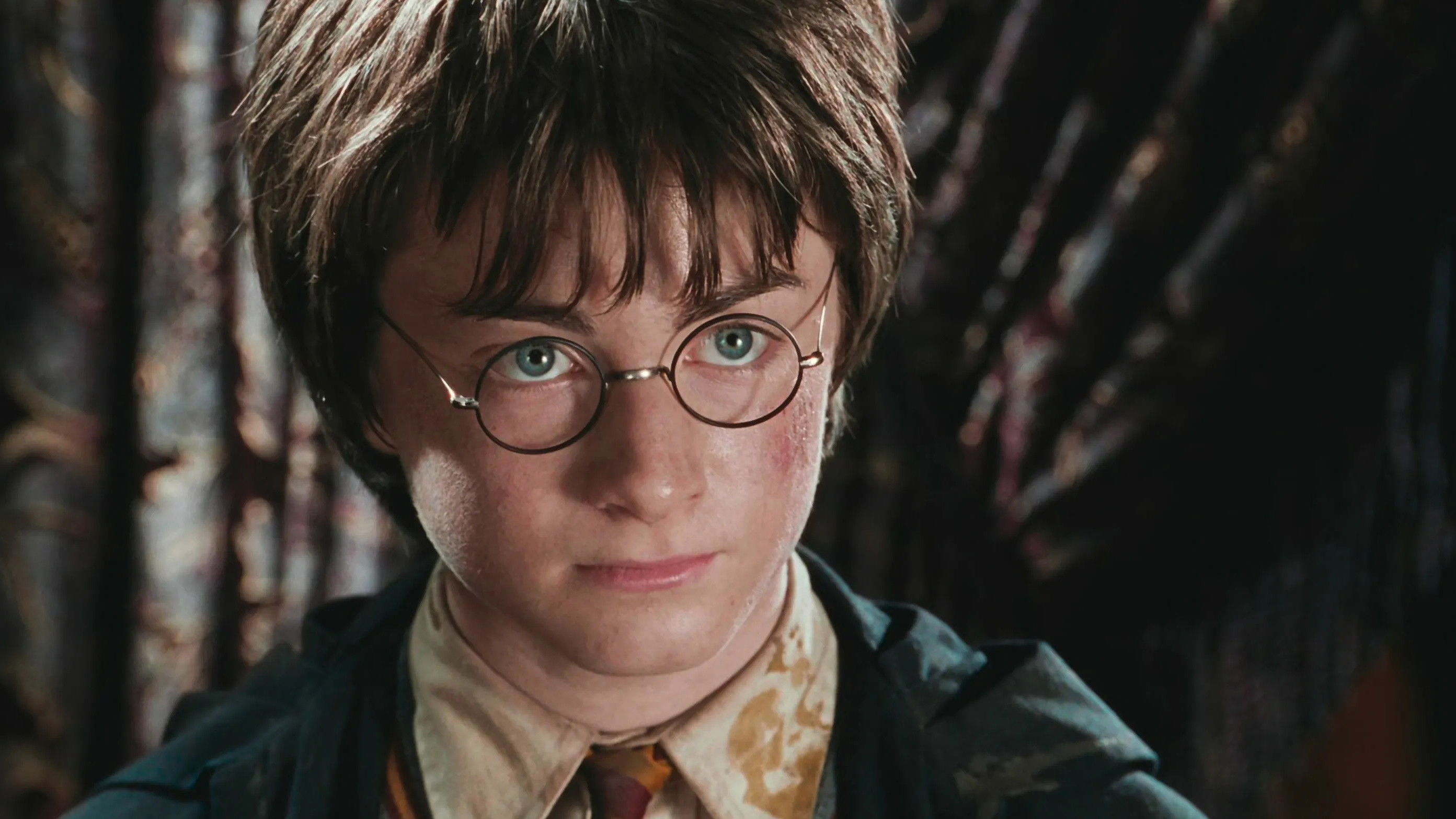
The length of the Chamber itself249 feet
Production designer Stuart Craig returned to build the world that the first film had only begun to sketch. The Chamber of Secrets set measured about 76 meters, or 249 feet, in length and 36.5 meters across, the largest set built for the whole saga. Craig also designed the Burrow, the Weasley family home, as a vertical house assembled from architectural salvage, reflecting Arthur Weasley’s fascination with Muggle things, and he built Dumbledore’s office, home to the Sorting Hat and the Sword of Gryffindor. The flying car was a 1962 Ford Anglia 105E.
Hogwarts itself was stitched together from real places: Gloucester Cathedral and Durham Cathedral, Alnwick Castle, Lacock Abbey and the Bodleian Library at Oxford, with King’s Cross standing in for Platform 9¾ and St Pancras supplying the exterior. Cinematographer Roger Pratt gave the film a darker, edgier look than its predecessor, and Columbus, who had been known for glossier family comedies, shot much of it with handheld cameras, a departure he described as new for him. Costume designer Lindy Hemming dressed Lockhart in bright colors against the muted palette of everyone else and traded Lucius Malfoy’s pinstripe suit for furs and a snake-headed cane.
Roger Ebert gave the film four stars out of four and singled out the set design for special praise.
The height of Aragog9 feet
Not everything in the film was digital, and the most memorable creature was not. Nick Dudman’s creature effects team built Aragog, Hagrid’s giant spider, as a nine-foot-tall animatronic with an 18-foot leg span and a weight of about three quarters of a ton. Each leg needed its own operator, and more than 15 people were required to run the creature on set. Dudman also created Fawkes the phoenix, the mandrakes and the first 25 feet of the basilisk.
The Whomping Willow, the tree that nearly destroys Harry and Ron’s flying car, mixed methods. Special effects supervisor John Richardson’s team made mechanically operated branches to strike the car, and a one-third-scale set at Shepperton Studios, with a full-size top third and forced perspective to suggest a height of more than 100 feet, held the rest. Some shots ended up entirely digital. The mix of animatronics, miniatures and computer imagery was typical of the era, and it echoes the practical craft covered in Every Movie Plug’s The Flintstones (1994): How It Was Made, Effects and Box Office, which looks at the Jim Henson Creature Shop work behind another live-action fantasy.
Visual effects shots950
About 950 shots in the film involved visual effects, split among Industrial Light & Magic, Mill Film, the Moving Picture Company, Cinesite and Framestore, under supervisors Jim Mitchell and Nick Davis. The Moving Picture Company alone produced 251 shots with a crew of 70, and 244 of them made the final cut. The digital cast included Cornish pixies, the basilisk and, most visibly, Dobby, the house-elf voiced by Toby Jones, whose performance earned a nomination for best digital acting performance from the Broadcast Film Critics Association.
Dobby also drew a different kind of attention. The character was nominated for the Stinkers Bad Movie Awards’ Most Annoying Non-Human Character, a reminder that the film’s most prominent digital character was also its most debated. The sound team was just as inventive. Sound designer Randy Thom gave the Whomping Willow a growl made from his own slowed-down voice, built the mandrakes’ scream from baby cries and female screams, and assembled the basilisk’s roar from his own voice, tiger roars and horse and elephant sounds. A Cambridge linguistics professor, Francis Nolan, invented the snakes’ language, Parseltongue.
Composer John Williams, who had just finished Star Wars: Episode II – Attack of the Clones and Minority Report and was about to start Catch Me If You Can, had little time, so William Ross arranged themes from the first score and conducted the London Symphony Orchestra sessions. The result won the Broadcast Film Critics Association’s best composer award and earned a Grammy nomination.
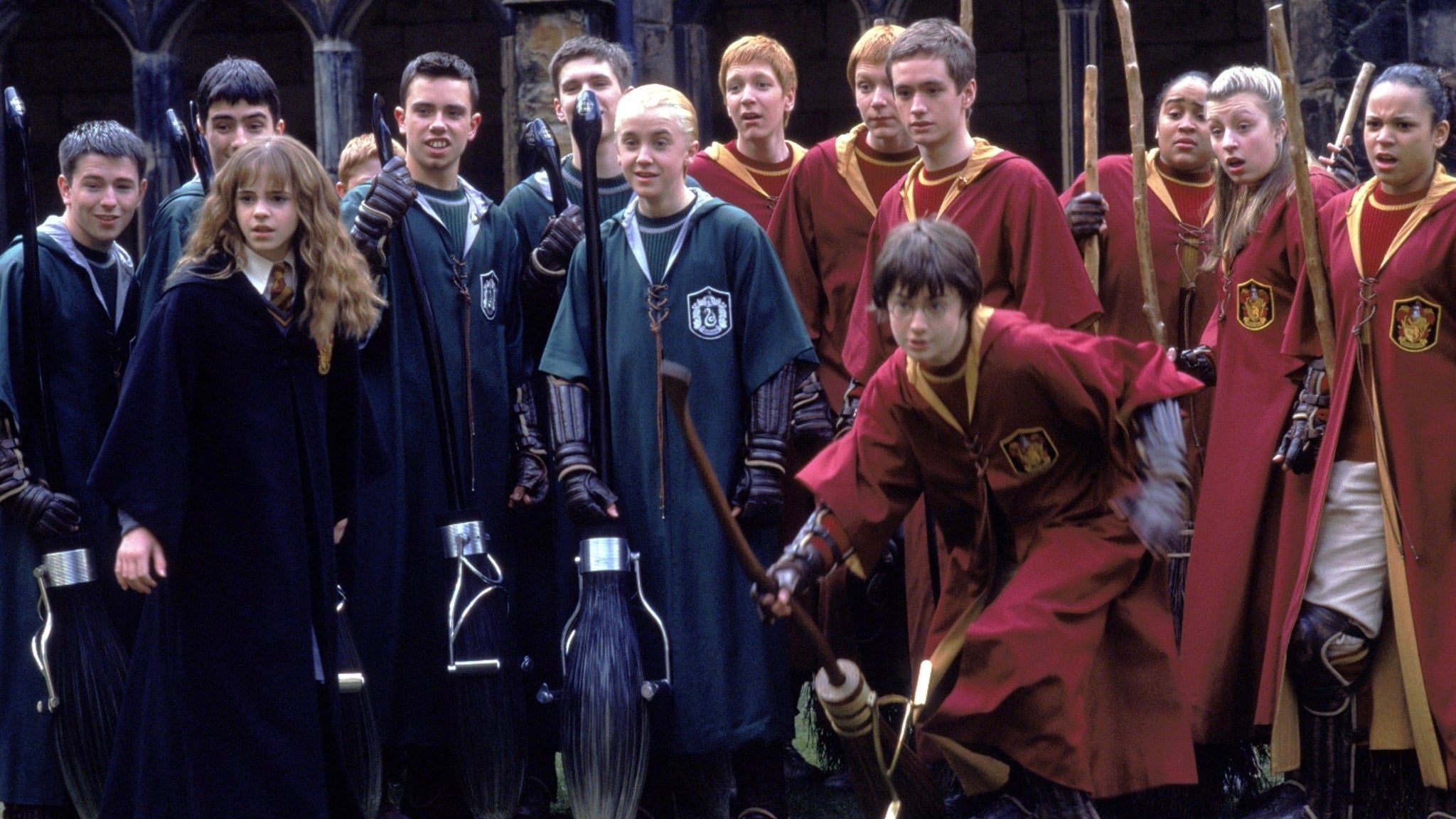
The opening weekend$88.4 million
The film opened in the United States and Canada on November 15, 2002, across 8,515 screens at 3,682 theaters, and earned $88.4 million over the weekend. That was the third-largest opening in history at the time, behind Spider-Man and its own predecessor, and the largest number of screens ever used for a release until X2 surpassed it the following year. It topped the chart that weekend, and it would take first place again two weekends later, one of only a few 2002 films to return to number one.
In Britain, it beat every record held by the first film, with an opening of £18.9 million including previews and £10.9 million without, and it went on to earn £54.8 million, then the fifth-biggest total in the country’s history. Internationally it opened to $59.5 million. In Japan, its $3.7 million debut was the biggest the country had seen for any film until The Matrix Reloaded passed it a year later, a trilogy whose finale Every Movie Plug covers in Today in Cinema, November 5: The Matrix Revolutions Ends the Trilogy in 108 Territories at Once.
A related Japanese mark has stood far longer. According to Every Movie Plug’s reporting, the film’s opening-day record in Japan fell only this month, to Godzilla Minus Zero, in Godzilla Minus Zero Breaks a 24-Year-Old Box Office Record Held by Harry Potter in Japan and Godzilla Minus Zero Breaks Japan’s Opening-Day Record Ahead of Its North American Debut.
The overseas total$617.2 million
The film went on to earn $879.8 million worldwide in its original release, rising to $926.2 million with later re-releases, against a $100 million budget. It was the second-highest-grossing film of 2002 behind The Lord of the Rings: The Two Towers, and the fourth-highest in the United States and Canada with $262.6 million, behind Spider-Man, The Two Towers and Attack of the Clones.
Abroad, though, it was number one. Its $617.2 million overseas gross beat the $584.5 million earned by The Two Towers outside America, which made it the biggest international film of the year. It also had company on its way up. Die Another Day opened a week later, and Entertainment Weekly later reported the two films finishing a weekend neck and neck, with The Santa Clause 2 also in the mix and Treasure Planet opening weakly. The experience of two enormous releases sharing a weekend is on every studio’s mind this December, and Every Movie Plug’s Dunesday Survival Guide covers how to plan for it.
The audience gradeA+
Audiences loved it. CinemaScore gave the film an A+, the only entry in the entire Harry Potter series to earn one, compared with the A for its predecessor. Critics were more divided. Rotten Tomatoes lists 82 percent positive reviews from 237 critics, with a consensus that it was darker and livelier than the first film, and Metacritic gives it 63 out of 100.
“Harry’s story is supposed to get darker”
That darker tone was the film’s selling point for many reviewers, among them Entertainment Weekly. Variety agreed that the sequel was more confident and dramatic than the first film, though it found it too long, and Richard Roeper praised Columbus for staying faithful to the book while giving it a cinematic scale. The Guardian liked the darker story but wanted stronger acting.
Others were less enthusiastic. A. O. Scott of The New York Times wrote that viewers might feel battered and worn down rather than stirred, though not disappointed. Peter Travers of Rolling Stone faulted Columbus’s deference to the novel for stifling creativity and letting the film run almost three hours, and Kenneth Turan of the Los Angeles Times thought it a rerun of the first picture. The film earned three BAFTA nominations, for production design, sound and special visual effects, and six Saturn Award nominations. Home video followed on April 11, 2003, and an extended cut of about 174 minutes has appeared on television and in the Ultimate Edition released in 2009.
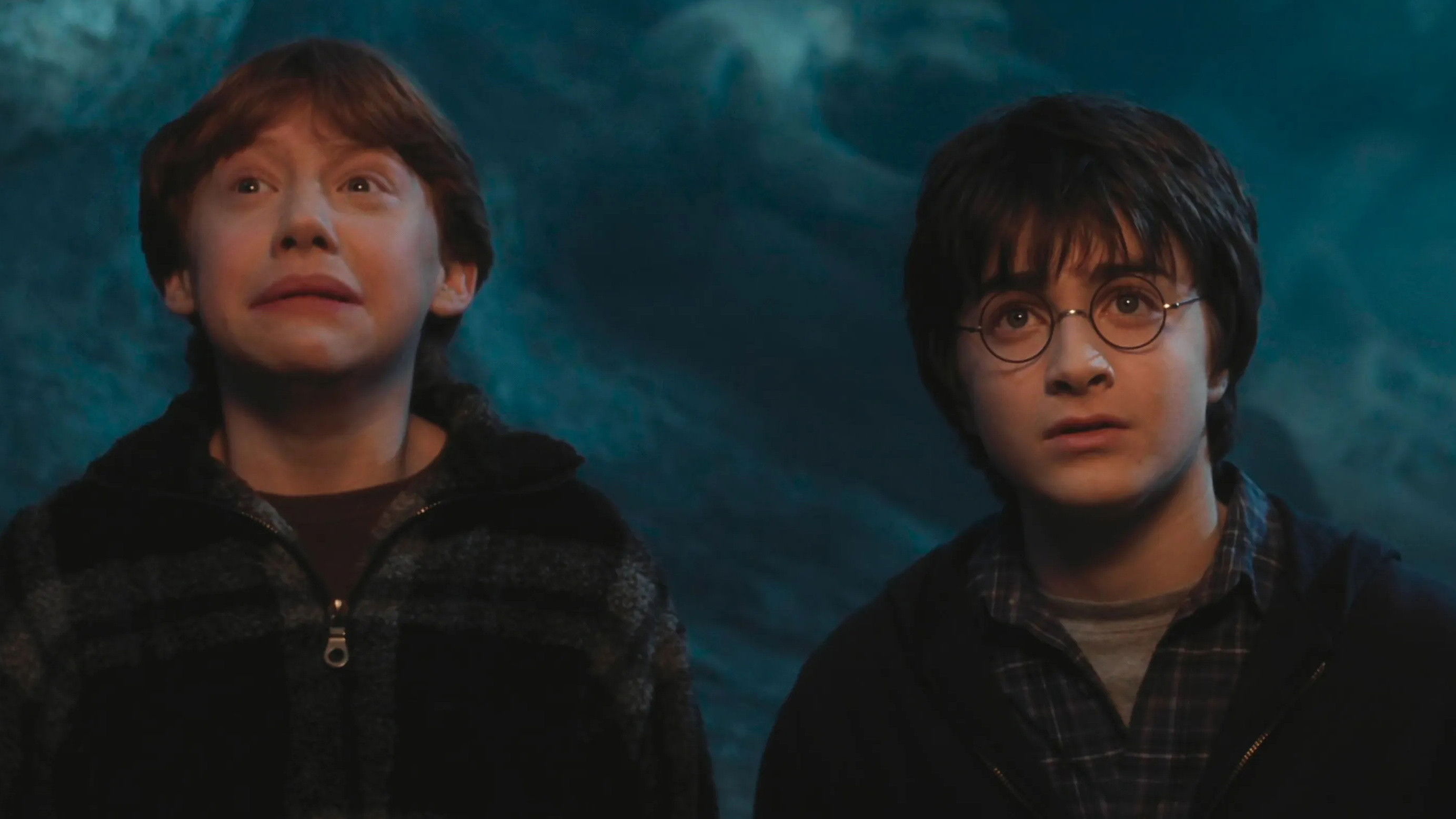
Where it sits in the series2 of 8
Chamber of Secrets was the last Potter film directed by Chris Columbus. Alfonso Cuarón took over for Prisoner of Azkaban in 2004, and the series moved through different directors and different tones for the rest of its run. That makes this second chapter a kind of hinge: the last film of the series’ bright, storybook phase, and the first to show how dark the books were going to get.
The ensemble is a roll call of faces that would become familiar: Harry Melling as Dudley Dursley, Tom Felton as Draco Malfoy and the Phelps twins as Fred and George Weasley. Robert Pattinson would arrive two films later as Cedric Diggory, and he is now at the center of a very different franchise conversation, as reported in Robert Pattinson Reportedly Screen-Tested for James Bond as the 007 Casting Race Tightens.
The wider run is told in Every Movie Plug’s The Harry Potter Films Changed Hollywood, and We Still Haven’t Left Hogwarts, which describes how Columbus gave the first two films a warm, storybook glow before Cuarón pushed the series toward moodier filmmaking, and which puts the eight films’ combined take at roughly $7.7 billion worldwide. It also notes something that gives rewatches an extra weight: several of the great British actors who filled these films, among them Alan Rickman, Maggie Smith and Michael Gambon, are no longer with us. Rickman’s Snape and Smith’s McGonagall are both here, in the second chapter of the story.
And the story is starting over. HBO’s series, set to premiere on December 25, 2026, adapts one book per season and begins with Philosopher’s Stone, over eight episodes. Warwick Davis, who plays Professor Flitwick in Chamber of Secrets, is the only actor from the films confirmed to return, reprising the same role. The rest of the cast is new, led by Dominic McLaughlin, Arabella Stanton and Alastair Stout, with John Lithgow, Janet McTeer, Paapa Essiedu and Nick Frost among the adults, all detailed in Harry Potter Is Starting Over, and the Franchise Is Betting Big. Warner Bros. Discovery’s other franchise bets are examined in Why Did James Gunn Fail at DC Studios? and James Gunn Steps Down From DC Studios: Why He and Peter Safran Are Leaving and What Happens Next.
Years later24
It is now 24 years since the film opened, and what lingers is not the box-office record or the awards tally. It is a sense of a series that had just discovered its own size and was building to match it: a Chamber on the scale of a cathedral, a spider operated by a team of puppeteers and a farewell to its headmaster hidden in plain sight.
For a first-time viewer, the film is a rich place to start a rewatch. For a veteran, it rewards attention to the practical work, the sound design and the performances of a cast that, by any measure, was one of the strongest ever assembled for a family film. It is available on home video and rotates through streaming services, so check current listings for your region. And it remains, nearly a quarter of a century on, the second chapter of a story that millions of people still return to every November. In about six weeks, on Christmas Day, that story begins again on television.
Credits and Sources
- Images: Warner Bros. Pictures, Heyday Films and 1492 Pictures, via TMDB. Related-story thumbnails: Every Movie Plug.
- Production, cast, effects, sound, release, box office, reception and awards: Harry Potter and the Chamber of Secrets (film), Wikipedia; Box Office Mojo; IMDb
- Richard Harris and the premiere: BBC News, 2002; BBC News on the premiere
- Opening weekend and records: Box Office Mojo, “Harry Potter Potent with $88.4 Million Weekend”; BBC News on the UK record; Entertainment Weekly; The Numbers
- Reviews: Roger Ebert; Entertainment Weekly; Variety; The New York Times; Rolling Stone; Rotten Tomatoes; Metacritic
- Casting: The Independent on Shirley Henderson; Digital Spy on Jason Isaacs; Entertainment Weekly on Eddie Redmayne
- Sets and creatures: Warner Bros. Studio Tour London, creature effects; Warner Bros. Studio Tour London, special effects; Vogue France on the Chamber set
- Every Movie Plug articles referenced: The Harry Potter Films Changed Hollywood; Harry Potter Is Starting Over
- Every Movie Plug news referenced: Godzilla Minus Zero and the Potter record; Godzilla Minus Zero in Japan; Robert Pattinson and 007; James Gunn and DC Studios; Sir Patrick Stewart tributes
News
More on Every Movie Plug
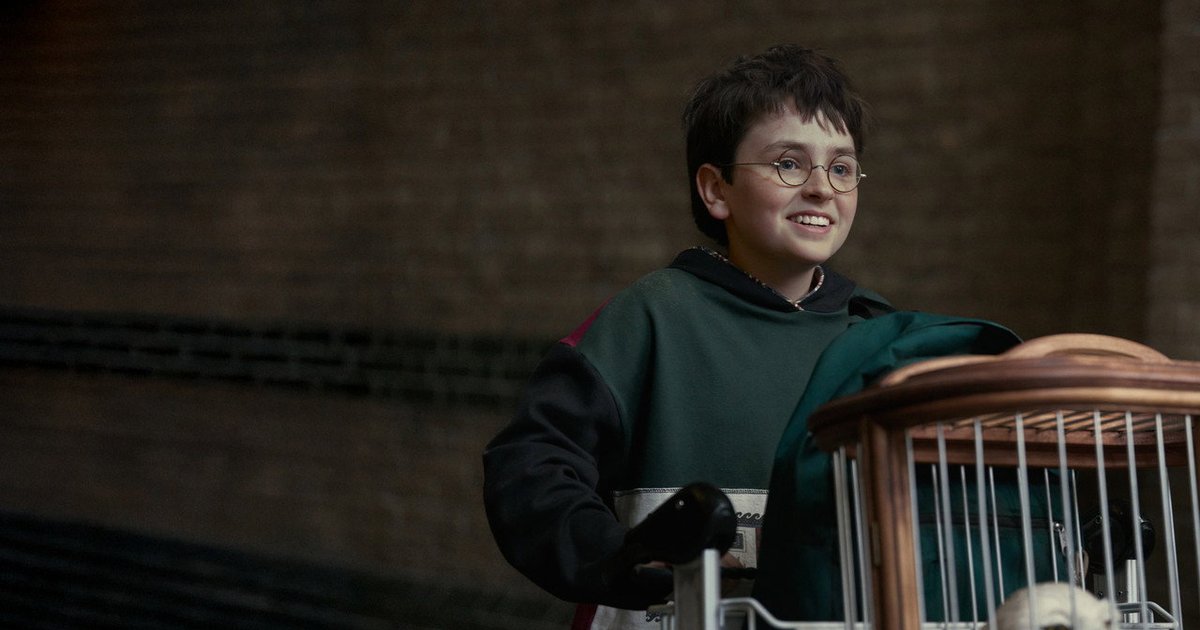 Movie News HBO’s Harry Potter Budget: Filings Point to About $25 Million an Episode and Over $200 Million for Season 1 UK filings for HBO’s Harry Potter series point to about $25 million an episode, and TheWrap puts the investment in season 1 at more than $200 million. HBO has not confirmed a budget. Read the story →
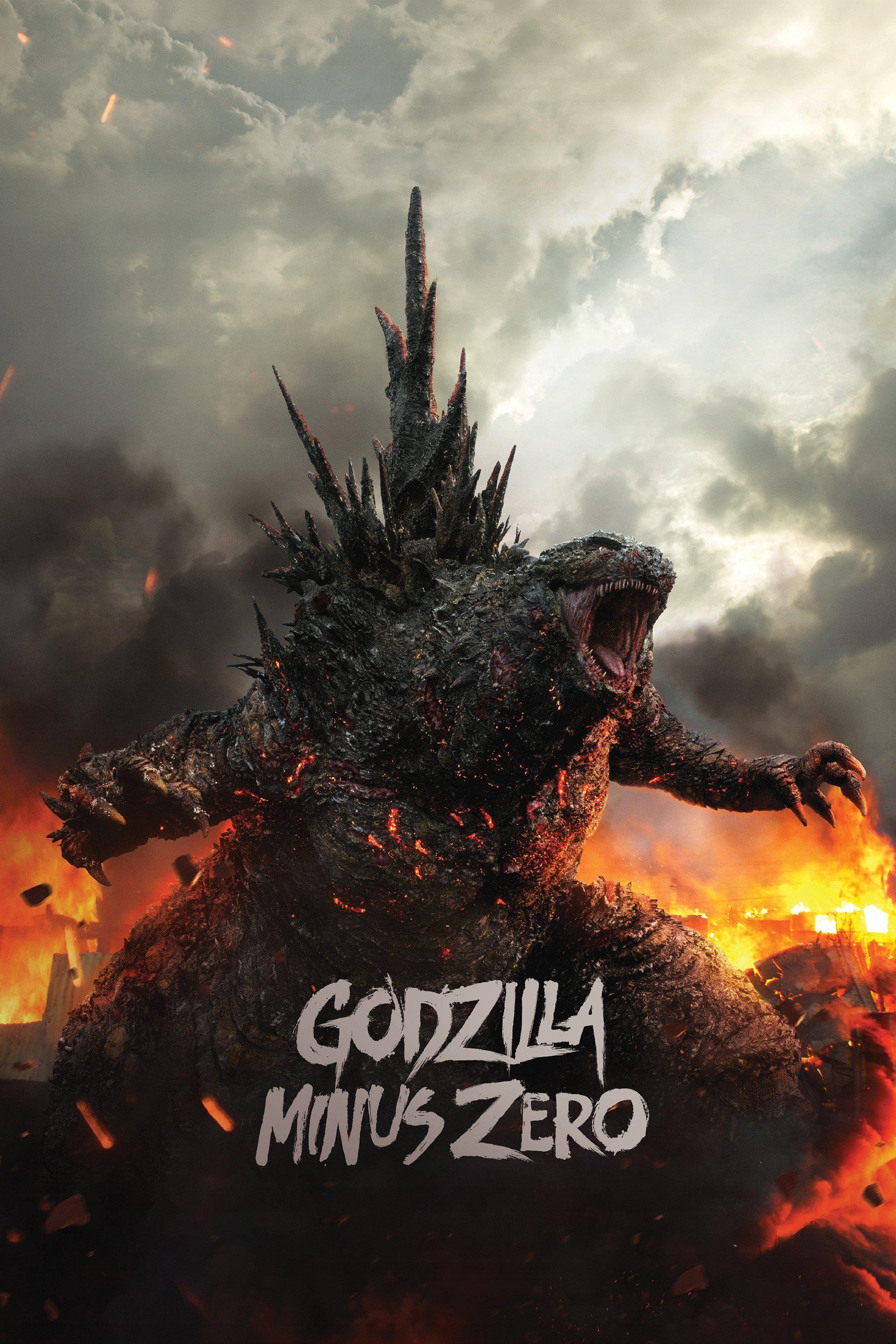 Box Office News Godzilla Minus Zero Breaks a 24-Year-Old Box Office Record Held by Harry Potter in Japan Godzilla Minus Zero broke Harry Potter and the Chamber of Secrets’ 24-year-old opening-day record in Japan and opened to an estimated $32M in North America. Read the story →
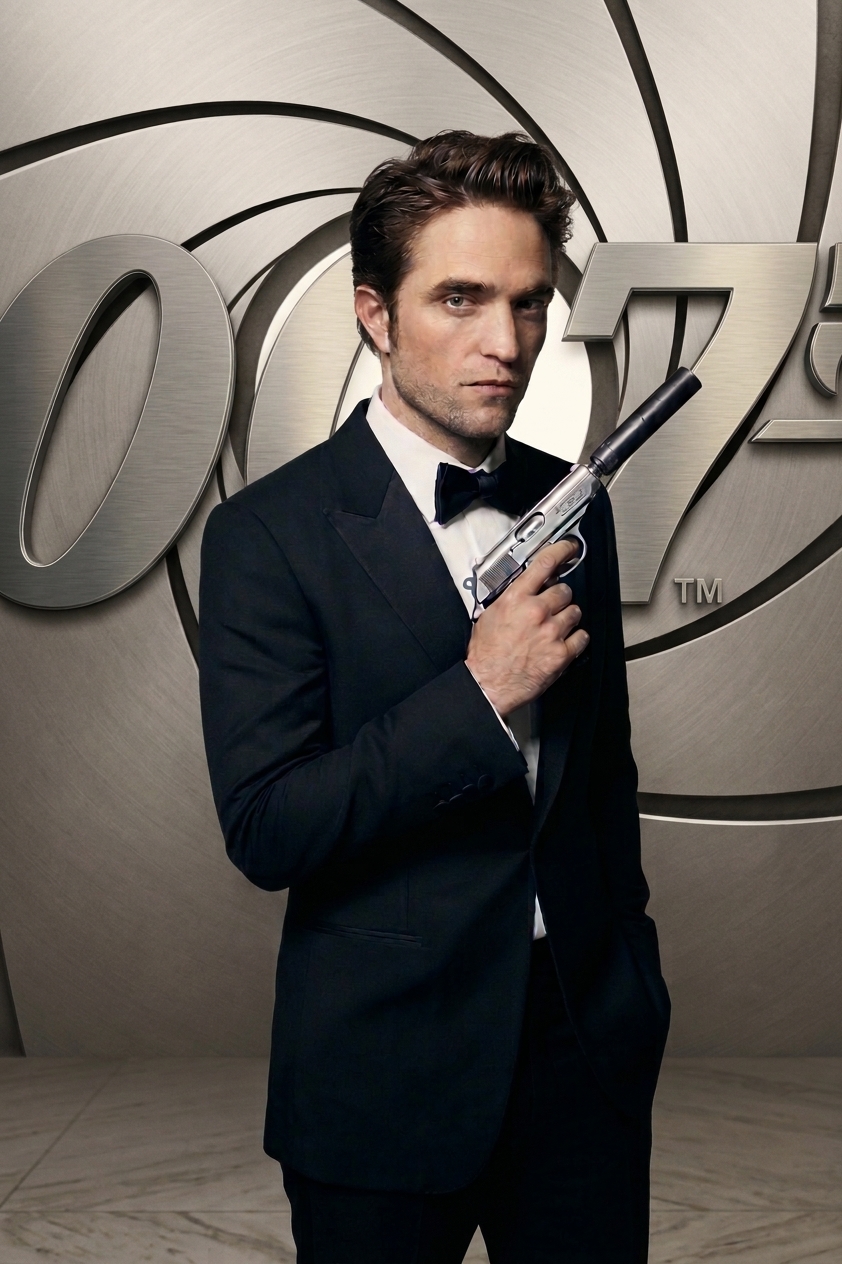 Casting News Robert Pattinson Reportedly Screen-Tested for James Bond as the 007 Casting Race Tightens Robert Pattinson reportedly screen-tested for James Bond in London, joining Callum Turner, Jack Lowden and Josh O’Connor in Amazon MGM’s 007 search. Read the story →
 Film News James Gunn Steps Down From DC Studios: Why He and Peter Safran Are Leaving and What Happens Next James Gunn and Peter Safran are stepping down as DC Studios co-CEOs on December 1. Here is why they are leaving, who replaces them and what it means for the DCU. Read the story →
Articles
More on Every Movie Plug
 Article The Harry Potter Films Changed Hollywood, and We Still Haven’t Left Hogwarts How the eight Harry Potter films starring Daniel Radcliffe became a box-office giant, changed how franchises are built, and still resonate as HBO’s new series arrives this Christmas. Read the article →
 Article Harry Potter Is Starting Over, and the Franchise Is Betting Big From the books to the films to Fantastic Beasts, a look at how the Harry Potter franchise grew, stumbled, and is now rebooting as an HBO series. Read the article →
 Today in Cinema Today in Cinema, November 11: Seven Ways Black Panther: Wakanda Forever Honors Chadwick Boseman No recast, no digital double and no pretending: how a Marvel sequel was rewritten around an absence, and why its quietest choices still land four years later. Read the article →