There is a particular kind of candor that arrives only after the trophies are on the shelf. Mahershala Ali, who has won the Academy Award for best supporting actor twice, was asked on a podcast what two Oscars have done for his career, and he answered with a little arithmetic. Of all the projects that get a green light in Hollywood, he said, the vast majority contain no part for him. In his words, it does not matter if he has 17 Oscars.
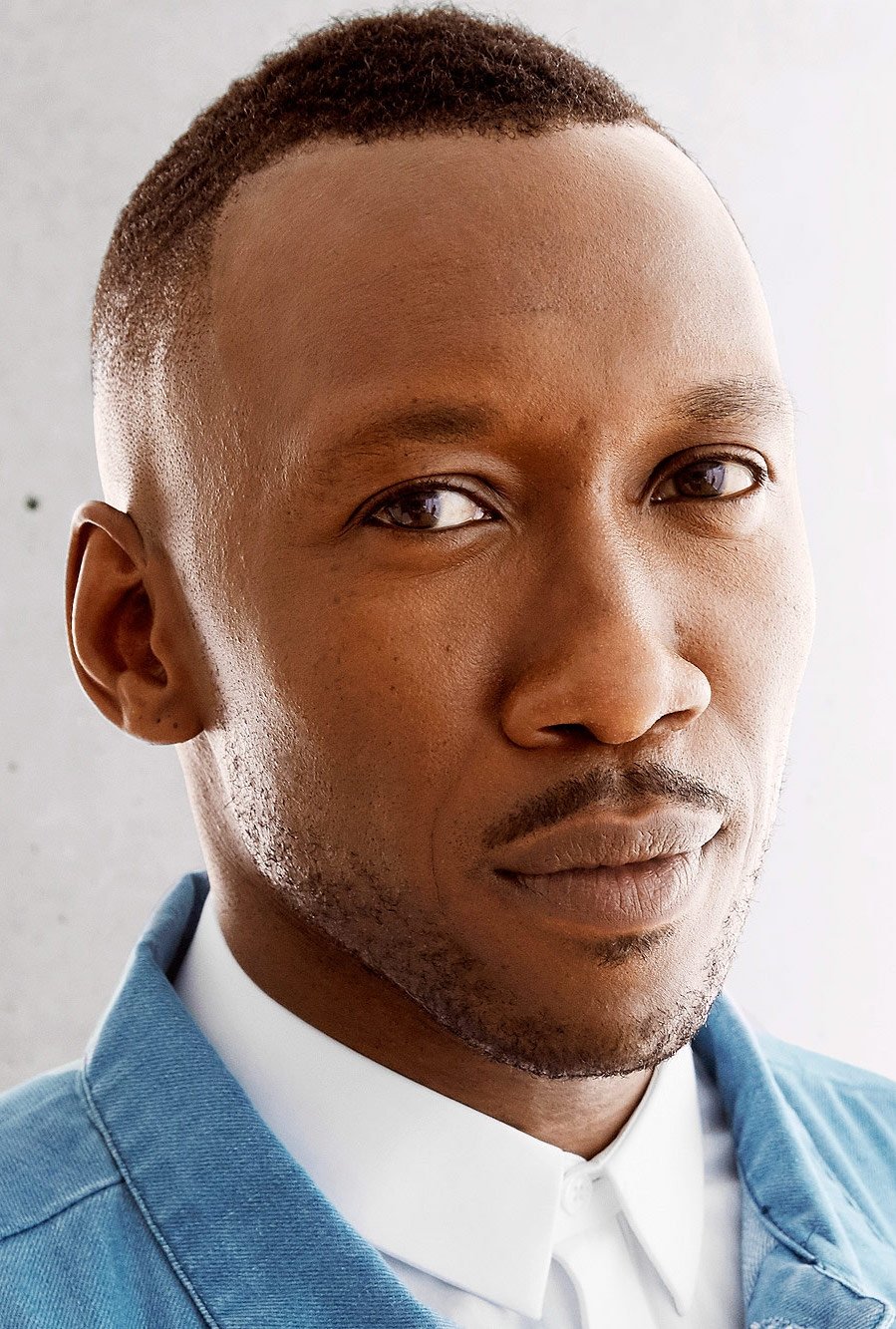
The remarks come from the November 13 episode of 7PM in Brooklyn, the Wave Original show hosted by former NBA star Carmelo Anthony and co-host Kazeem “Kaz” Famuyide. They began circulating widely over the weekend, and they land at an interesting moment: Ali has just spent a fall promoting what TheWrap called a career-best leading performance, in a film that director Bassam Tariq wrote for him after their Marvel plans fell apart.

What he said, in context
Ali’s point was not a complaint about the Academy, and he took pains to say so. He asked the hosts what an Oscar means in the first place, and whether it really tells you someone is a good actor. His answer was that there are more capable actors than there is good material to go around, and that the real filter is narrower than the casting lists suggest. Out of everything that gets made, he explained, only a handful of scripts check the right boxes for a given performer. If nobody is writing a part with you in mind or greenlighting a film around you, an Oscar or no Oscar, you are in the same line as everyone else, looking and waiting.
The episode, recorded for the Wave Original podcast.
He acknowledged the alternative, which is to build the vehicle yourself, but pointed out that producing your own project is typically a journey of three to five years. That is a useful corrective to the idea that an award-winning actor can simply conjure a lead. It is also, as it happens, the path some of his peers have chosen. Donald Glover is attached to star in, write and direct Netflix’s live-action PUBG series, as we reported when the project was announced, and the oldest version of the story is Stallone’s, told in our look at how Rocky got made: a broke actor, a three-day screenplay and a refusal to sell the part to anyone else.
The A-list question
The most pointed exchange came when Famuyide asked whether an Oscar win places a Black actor in a validated, A-list tier. Ali was skeptical of the framing. In AceShowbiz’s transcription of the episode, he compared the debate to arguing over who is better, LeBron or Jordan, and suggested the answer hardly matters, since both are great. He also drew a line between eras, noting that the world around Sidney Poitier’s win, or those of Halle Berry and Viola Davis, was not the same as today’s.
Ali went further, according to the same transcription, saying that the political climate has filtered down into hiring and greenlighting, and that the retreat from diversity initiatives at many companies has reduced the pressure to back projects that reflect the world. Those are his views, and they are contested ones, but they sit alongside something more personal that he said plainly: what he wants is great material, not to be treated as a diversity project or an exotic other. He just wants to live the life of the character in front of him.
The point about scarcity applies at the very top, too. When Amazon MGM named Robert Pattinson as the next 007, our report on the announcement was a reminder of how many gifted actors compete for a single seat. Ali’s argument is that the seats, not the talent, are the scarce resource.
A résumé that looks easier than it was
On paper, Ali’s path looks inevitable. His first Oscar, in 2017, made him the first Muslim actor to win an acting Academy Award. His second, two years later, made him the first Black actor to win best supporting actor twice and the second Black actor, after Denzel Washington, to win more than one acting Oscar. (Washington, incidentally, is back on Netflix in January with The Take, as our first-look coverage details.)
| Title | Year | Role | Note |
|---|---|---|---|
| Moonlight | 2016 | Juan | First Oscar |
| Green Book | 2018 | Don Shirley | Second Oscar |
| True Detective | 2019 | Wayne Hays | One man across decades |
| Swan Song | 2021 | Cameron and Jack | First leading role |
| Your Mother Your Mother Your Mother | 2026 | Latif | Second leading role |
Selected roles. Ali’s leading-man credits are fewer than his awards history suggests.
What the table does not show is how lean the early years were. Speaking to NPR’s Fresh Air in October, Ali remembered the Moonlight set as having no money, no chairs and a single bus that served as the trailer for every department, and he said nobody cared, because the work felt so special. He also admitted that he had expected his second Oscar to open leading-man doors. Green Book’s Don Shirley, he reasoned, was already close to a lead. Instead the phone did not ring the way he anticipated, and for a while that surprised him, until he accepted it and moved on to looking for the best thing that came his way.
For a broader look at how a character actor’s career is assembled over decades, our Samuel L. Jackson actor spotlight traces a very different route to a similar place.
Blade, and the part that did not happen
No account of Ali’s recent years can skip Blade. Marvel announced him in the title role in 2019, and Bassam Tariq was hired to direct, but Tariq left in September 2022, months before production was due to begin, and the project never recovered. By July 2026 Ali had left it too. He told GQ that the film was not for him and that if Marvel had wanted to make it, it would have been made. He also agreed with Kevin Feige’s own verdict that the failure to get it made was the biggest of Feige’s career, and said he still does not know why it did not happen.
The cost was concrete. Ali has said he lost other work while keeping his schedule free for a film that never shot. But there was a return on the preparation. The sword work and physical training he did for Blade resurfaced in his next project, and he said it left him feeling creatively redeemed. Marvel, meanwhile, marches on toward Avengers: Doomsday on December 18, a film whose cast chatter we have been following in our story on Anthony Mackie and Vision and whose lead-up we map in our Marvel watch guide.
The role that fit
Your Mother Your Mother Your Mother is the film Tariq wrote for Ali after Blade collapsed. It follows Latif, a devoutly religious hitman who is left to protect his three children, one of them an infant, after the sudden death of his wife, in a story that crosses Houston and tests his faith along the way. The title comes from an Islamic teaching about the singular place of mothers. It premiered at the Toronto International Film Festival on September 12 and opened in limited release on September 25 before expanding in October.
Critics responded warmly. TheWrap called it a career-best performance, AwardsWatch gave it a B+ coming out of Toronto, and the aggregators were glowing in September, with Rotten Tomatoes at 100 percent on 26 reviews and Metacritic at 84. It is, remarkably, only the second film in which Ali carries the lead, following Swan Song, a detail that underlines how rarely the roles have been written for him. Speaking to NPR, he said the combination of a contract killer, a Muslim man with real dimensionality and a father of an infant jumped off the page, and that he could not say no to it.
Hungry, by his own account
If the podcast comments sound weary, the October interview does not. Ali told NPR that his hunger has matured and that he has less fear than he once did, and that he is ready to rehearse badly and fail on camera until the scene is found. When he sat down with NPR in October he was midway through shooting season 2 of Task for showrunner Brad Ingelsby, opposite Mark Ruffalo, work he described as feeding him creatively.
He is also eyeing something he has wanted for years: an action film. Asked on 7PM in Brooklyn to name a dream director, he said James Gunn, who recently said he wants the best actor for DC casting rather than a default movie star and who is stepping down as DC Studios co-CEO on December 1. According to AceShowbiz’s account of the episode, Ali also joked that his earlier action turns, in Predators and the Mockingjay films, ended with his characters dying just as the real action began. The franchise he mentions is back in theaters, with Sunrise on the Reaping opening to a $56 million Friday.
What comes next
Ali’s calendar is fuller than his complaint implies. He is set to return as Aaron Davis, the Prowler, in Spider-Man: Beyond the Spider-Verse, expected in 2027, and he voices a character in Laika’s Wildwood. The pattern is telling: the parts on the calendar are voice roles and a television series, with one fully tailored lead in between. That is the shape of a career that runs on relationships and timing as much as on trophies.
- Whether the acclaim for Your Mother Your Mother Your Mother turns into a sustained awards campaign
- How Task season 2 and the Spider-Verse sequel extend Ali’s range across TV and animation
- Whether Ali and James Gunn, or any other director on his list, turn the action-film wish into a project
- Whether more studios write leads for actors who already have the statuettes
What did Mahershala Ali say about his Oscars?
On the 7PM in Brooklyn podcast he said that two Oscars do not guarantee him roles, because the vast majority of films that get greenlit have no part suited to him. He added that there are more good actors than good material.
Does he think an Oscar validates Black actors?
No. Asked whether a win puts a Black actor on the A-list, he said the debate does not translate to anything real, and that he simply wants great material.
What is his latest film?
Your Mother Your Mother Your Mother, directed by Bassam Tariq, in which he plays a devout hitman raising his children after his wife dies. It opened in limited release on September 25.
Is he still involved in Marvel’s Blade?
No. Ali has said the project is not for him, and the film was never made.
For an actor who has won the industry’s highest honor twice, Ali is surprisingly clear-eyed about what it can and cannot do. The statuette gets you into the room. The script, he says, has to be waiting there.
- Variety: Mahershala Ali Says It ‘Doesn’t Matter’ That He’s Won 2 Oscars Because ‘There Are Not Roles for Me’ in ‘the Vast Majority of Projects’
- The Grio: Mahershala Ali tells Black actors not to chase Academy validation on ‘7PM in Brooklyn’
- The A.V. Club: Mahershala Ali says 2 Oscar wins haven’t boosted his career
- Complex: Mahershala Ali Says Debate Over Black Oscar Winners ‘Doesn’t Translate to Anything Real’
- AceShowbiz: Mahershala Ali Says Two Oscars Don’t Guarantee Roles
- NPR Fresh Air: Mahershala Ali is still hungry as an actor
- ComicBook.com: Mahershala Ali Wants to Make An Action Movie With James Gunn
- The Blast: Mahershala Ali Closes the Door on ‘Blade’
- CBR: Mahershala Ali Is a Different Kind of Superhero in New Action Drama Trailer
- BFI London Film Festival: Mahershala Ali on Your Mother Your Mother Your Mother and the impact of representation
- TheWrap: ‘Your Mother Your Mother Your Mother’ Review: Mahershala Ali Is Astounding in Revelatory Action Thriller
- AwardsWatch: ‘Your Mother Your Mother Your Mother’ Review [B+] TIFF
- Wikipedia: Your Mother Your Mother Your Mother
- ABC News: Mahershala Ali wins Oscar for best supporting actor
News
Latest on Every Movie Plug
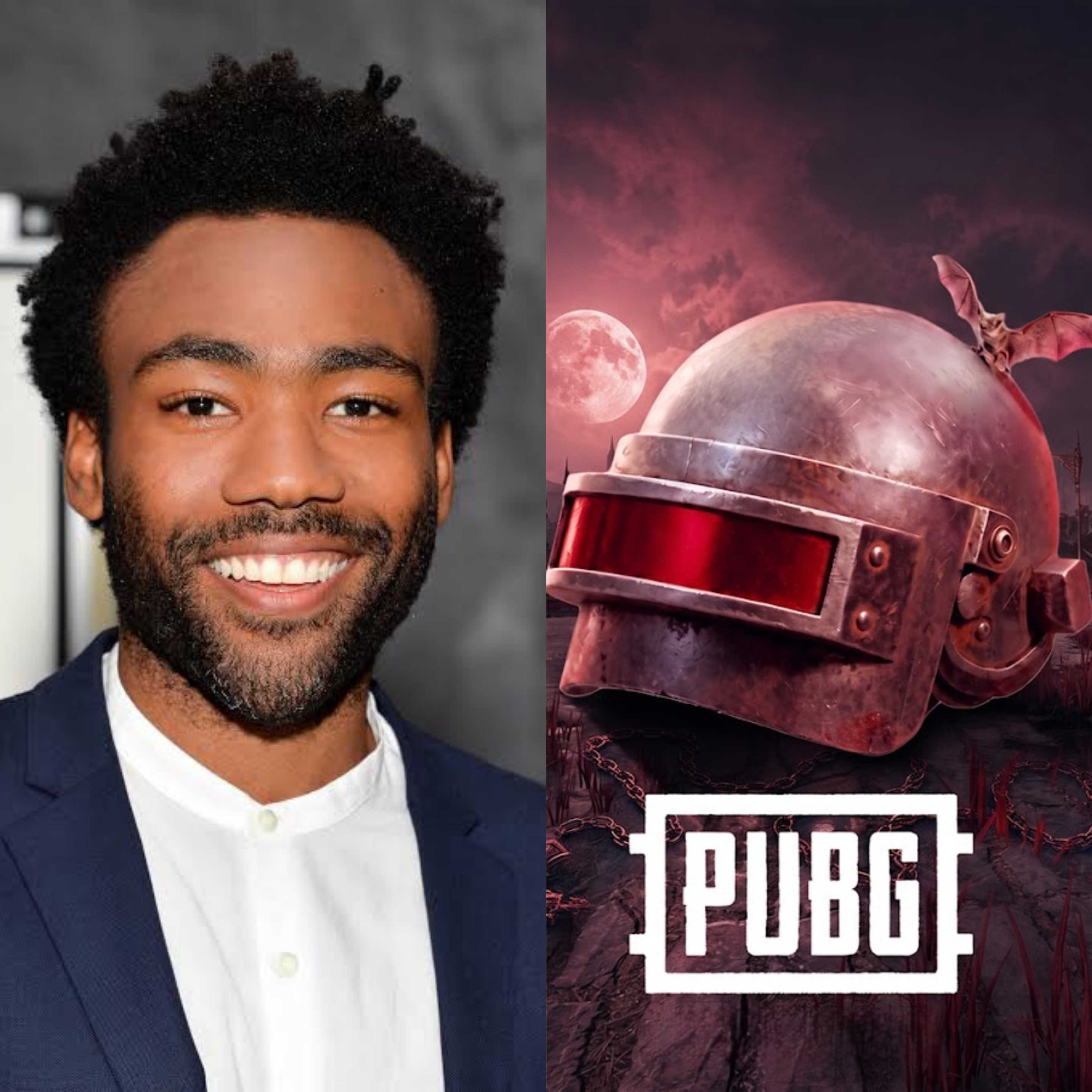 TV News Donald Glover to Star in, Write and Direct Netflix’s Live-Action PUBG Series Netflix and Krafton are developing a live-action PUBG series with Donald Glover attached to star, write, direct and executive produce alongside his brother Stephen. Read the story →
 Film News Netflix Unveils The Take First Look With Denzel Washington and Robert Pattinson, Sets January 15 Release Netflix revealed the first poster and photos for The Take, the Fernando Meirelles heist thriller with Denzel Washington and Robert Pattinson, out January 15. Read the story →
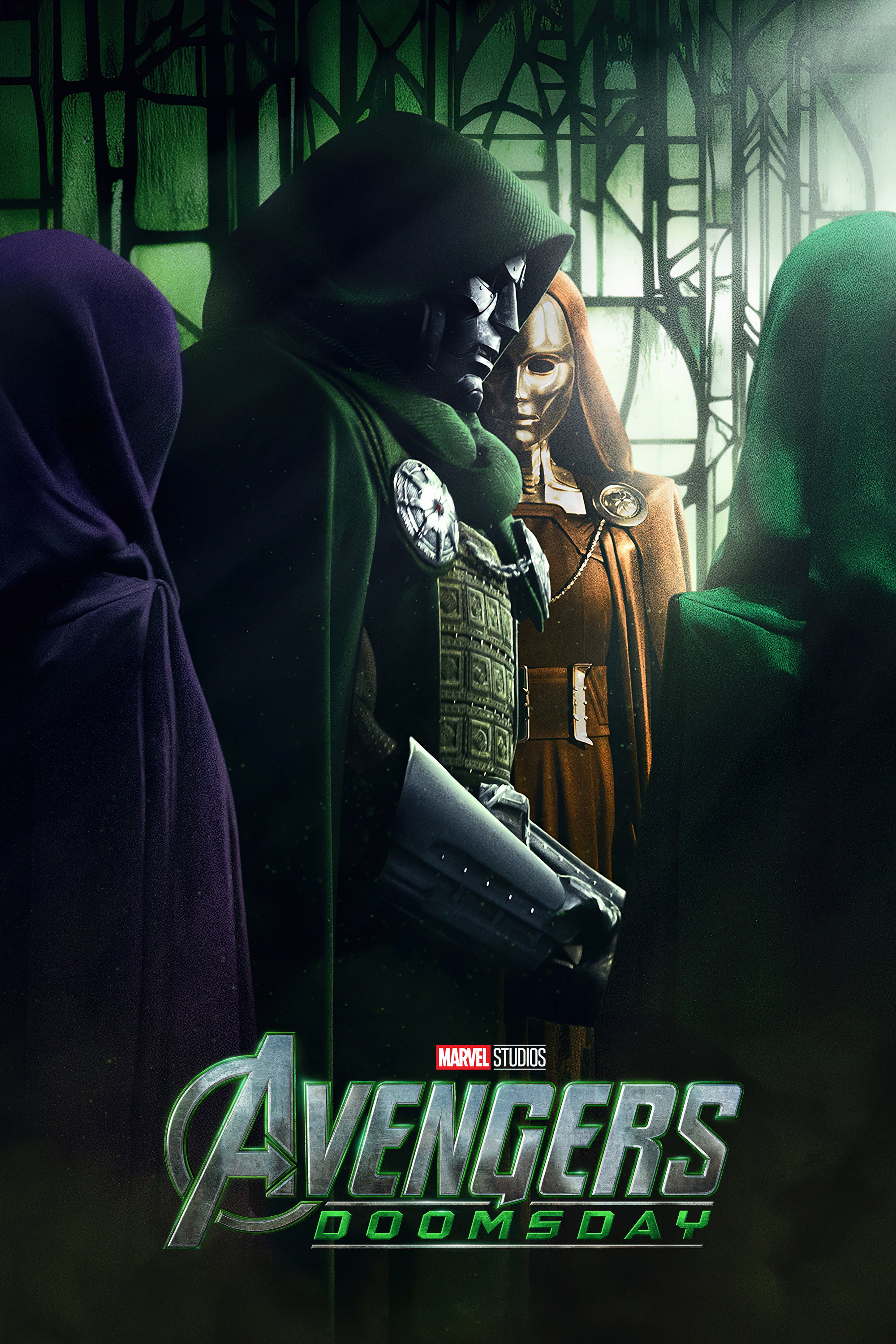 Film News Anthony Mackie Appears to Confirm Vision’s Return in Avengers: Doomsday Anthony Mackie name-dropped Paul Bettany while describing the Avengers: Doomsday shoot. Marvel has not confirmed Vision. Here is what we know. Read the story →
Articles
Latest on Every Movie Plug
 Actor Spotlight Samuel L. Jackson Actor Spotlight: Career, Iconic Roles and What Comes Next Samuel L. Jackson, profiled: his stage roots, the Pulp Fiction breakthrough, Tarantino years, Mace Windu, Nick Fury and what comes next after Avengers: Doomsday. Read the article →
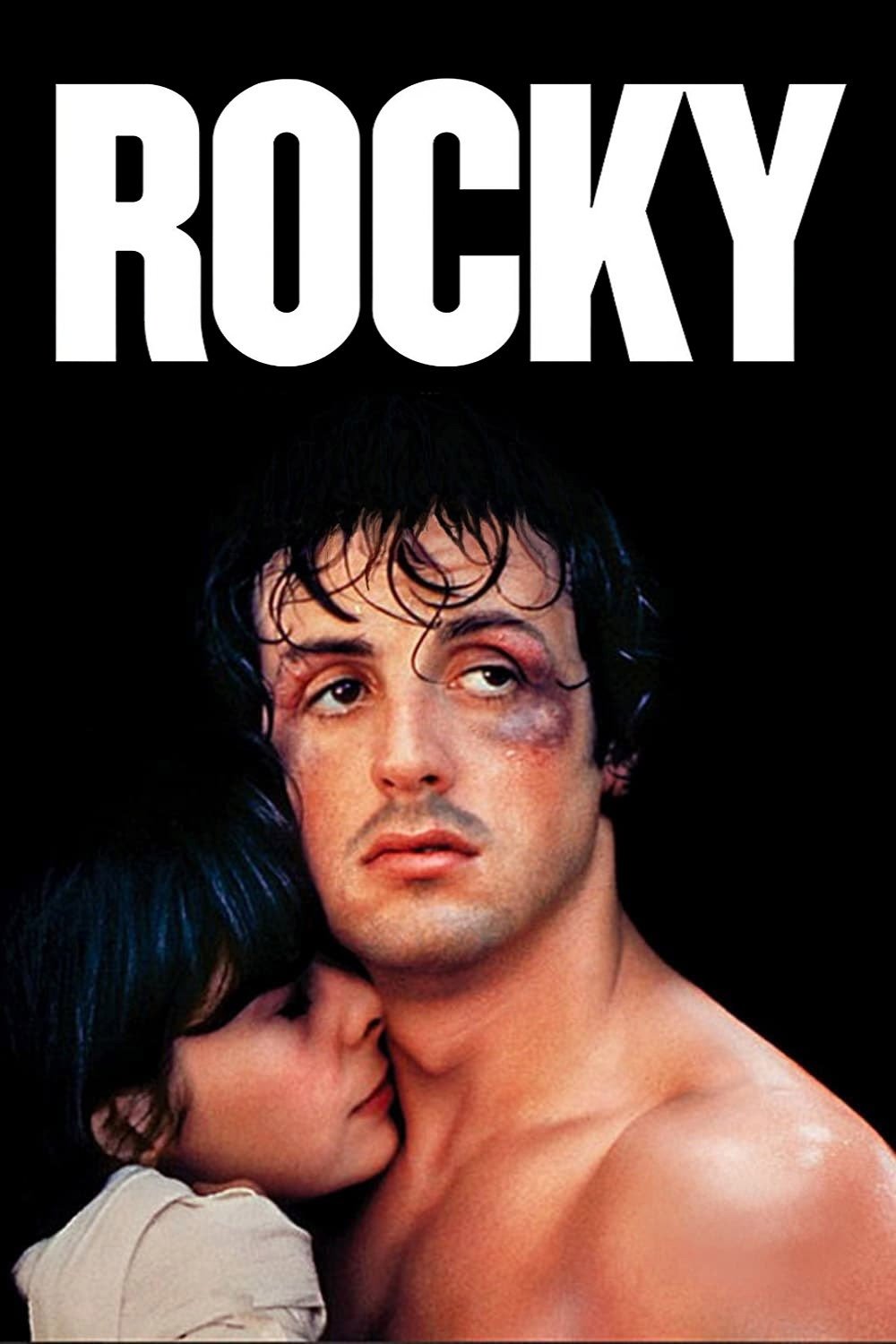 Today In Cinema Today in Cinema, November 21: Rocky at 50 and Still Standing Rocky opened November 21, 1976. How a broke Stallone, a three-day script and a $1 million budget won Best Picture, and how its 50th anniversary is being marked. Read the article →
 Watch Guide Marvel Movies to Watch Before Avengers: Doomsday (Watch Guide) Every Marvel movie worth watching before Avengers: Doomsday opens December 18, 2026, from Iron Man to Deadpool & Wolverine, with a six-film shortcut. Read the article →