Paramount and Warner Bros. Discovery have officially become a single company. The $111 billion merger closed on Tuesday, October 6, creating Skydance Corp., led by chairman and CEO David Ellison, according to Variety. The value includes the assumption of Warner Bros. Discovery's debt.
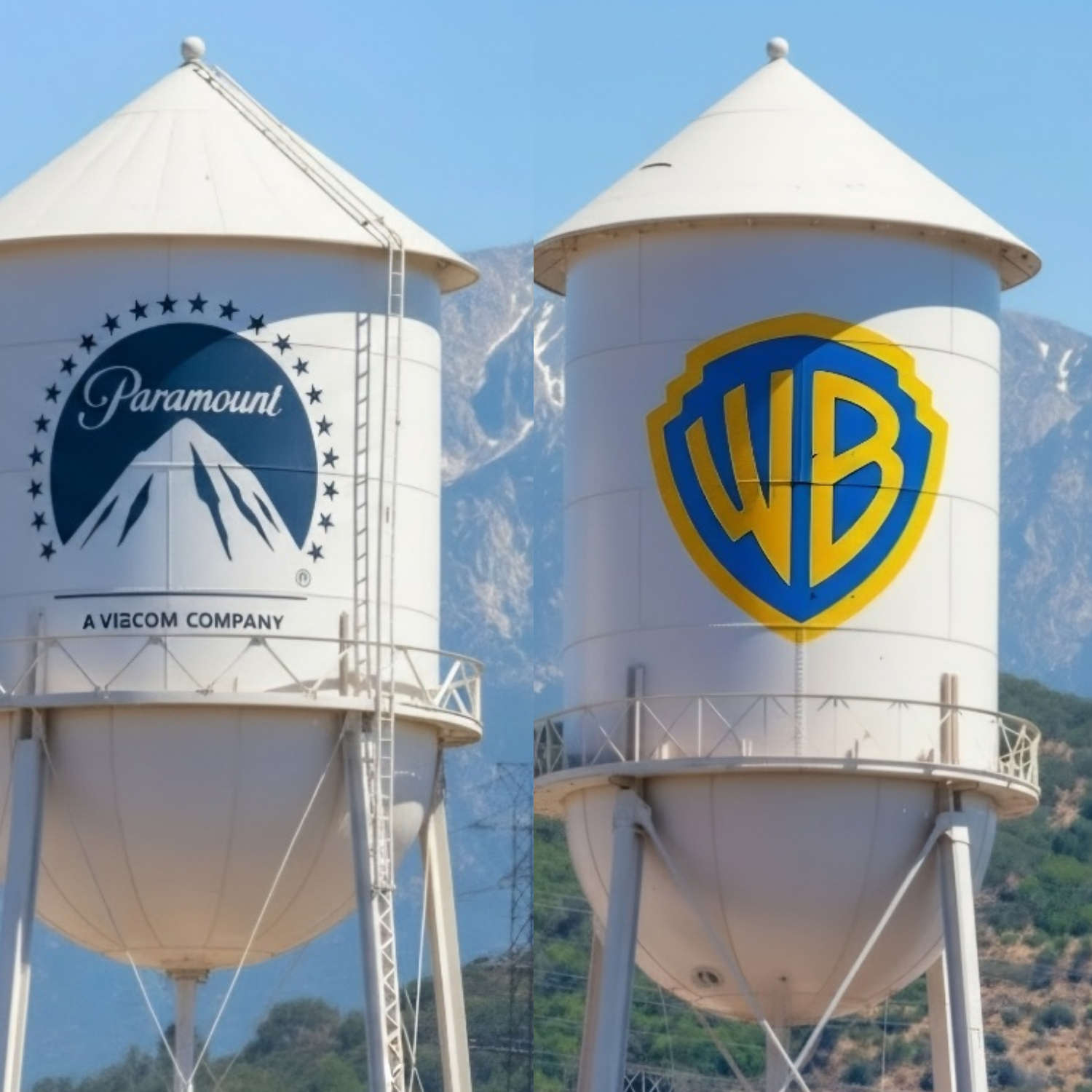
What the New Company Owns
The new company brings together two major film studios, Paramount Pictures and Warner Bros., along with networks including CBS, CNN, Comedy Central, MTV and TBS and the streaming services Paramount+ and HBO Max. Newsweek notes that CBS Sports and TNT Sports now sit under one roof. Warner Bros. Discovery's games studios, including Rocksteady and NetherRealm, are part of the deal.
The breadth of that portfolio is the defining feature of the transaction. Paramount’s film library and Warner Bros.’ catalog now share a corporate parent, as do two of the best-known news and entertainment cable groups and two competing streaming platforms. Warner Bros. Discovery itself was formed in 2022 from the combination of WarnerMedia and Discovery, which means many of its brands have now been part of a merger twice in just a few years.
The Financial Picture
Skydance has annual revenue of nearly $70 billion but also about $80 billion in net debt, the company said. Its Class B shares began trading on the New York Stock Exchange under the ticker SKYD. Warner Bros. Discovery shareholders received about $31 per share in cash. The deal was funded by $47 billion in new equity led by Larry Ellison, RedBird Capital Partners, LionTree and the sovereign wealth funds of Saudi Arabia, Qatar and Abu Dhabi.
The debt figure is the number analysts are most likely to focus on. Net debt of about $80 billion against revenue near $70 billion means the combined company carries obligations larger than a full year of sales. The company has not outlined, in the reporting cited here, how quickly it intends to reduce that balance or what changes it may make to its operations to do so. Larry Ellison is the father of David Ellison and the co-founder of Oracle, and his role in leading the equity raise ties the transaction closely to one family’s resources.
The involvement of the sovereign wealth funds of Saudi Arabia, Qatar and Abu Dhabi is also notable. Foreign investment in American media companies has drawn scrutiny in the past, and such backing can raise questions about influence, even when investors hold passive stakes. The sources used for this report do not detail the governance terms attached to those investments.
How the Deal Reached the Finish Line
The path to closing was long. Netflix first announced a deal for Warner Bros. Discovery, then walked away as Paramount’s bids grew more lucrative, Empire reports. A coalition of 12 state attorneys general later challenged the deal, temporarily halting it this summer, and the Writers Guild of America also raised objections, Empire reports.
A federal judge approved Paramount’s settlement with the states on September 30, which Variety describes as the final barrier. The company argued the settlement addressed the states’ main concern, a reduction in theatrical releases. The deal had been cleared by regulators in 68 jurisdictions.
That sequence shows how many parties had a say in the outcome: a rival streamer that stepped aside, state officials who sought to slow the deal, a labor union that voiced concerns and a court that ultimately signed off. The number of regulatory clearances, 68 in total, also illustrates how international a deal of this kind has become, since the combined company operates well beyond the United States.
The Theatrical Question
The states’ main concern was the possibility that two studios under one owner would release fewer films in theaters. Movie theaters depend on a steady supply of wide releases, and a merger that combines two producers raises the risk that the total number will fall. The settlement was intended to address that worry, and the company argued that it did.
The practical test will come over the next several release calendars. Exhibitors, audiences and the unions that represent writers and other film workers will be watching whether the combined studio maintains the pace of theatrical output that Paramount and Warner Bros. delivered separately. The reporting cited here does not describe the specific commitments contained in the settlement, so the details of how the pledge would be measured remain unclear.
Winners, Losers and Open Questions
Newsweek framed the merger in terms of winners and losers as Hollywood is reshaped, a reminder that consolidation affects many groups differently. Shareholders of Warner Bros. Discovery have already received their cash payout of about $31 per share. For employees, the outlook is less clear. Mergers of this scale often lead to overlapping departments and changes in leadership, though the sources here do not report specific job cuts or reorganizations.
Streaming is another open question. Paramount+ and HBO Max now belong to the same company, and nothing in the reporting cited here says whether they will remain separate products, be merged or be restructured. Viewers who subscribe to either service should not assume any change until the company makes an announcement.
Cable networks and news operations also fall under the new umbrella. CBS and CNN, two of the best-known names in television news, now share a parent company, and the future relationship between those organizations is among the questions that will draw attention from media observers.
A Wider Pattern of Consolidation
The deal is the latest in a long run of Hollywood combinations. Disney’s purchase of much of 21st Century Fox closed in 2019, and the number of major studios has narrowed over the past decade. Each round has prompted the same debate about whether bigger companies can compete better with global technology platforms, or whether fewer owners mean fewer choices for audiences and fewer buyers for creative work.
Supporters of consolidation argue that scale helps studios invest in content and fund streaming services. Critics counter that it can reduce competition for talent and projects. The coming months will show which view the new company’s decisions support.
First Statements and a New Project
Ellison called it a historic day for the entire industry. Paramount also announced a new project this week, a live-action Cyberpunk 2077 movie.
The announcement of a film based on a video game shows the merged company moving ahead with development work immediately after closing. It is too early to say whether the project signals a broader strategy, and it should not be read as part of the merger terms themselves.
- Variety: Paramount-Warner Bros. $111 Billion Merger Officially Closes
- Variety: Paramount-Warner Bros. Merger Set to Close Next Week After Judge OKs Settlement With State AGs
- Empire: Paramount And Warner Bros. Complete $111 Billion Merger
- Newsweek: Paramount-Warner Bros. Merger: Winners and Losers As Hollywood Reshaped
- PocketGamer.biz: Paramount and Warner Bros. Discovery's $111bn merger officially closes today