On the night of February 26, 2026, at L’Olympia in Paris, Jim Carrey walked onstage to accept an Honorary César and did something almost no one expected from the man who once made a career out of talking through his rear end as Ace Ventura. He gave his speech in French. According to coverage of the ceremony, he thanked his daughter, Jane, and his partner, Min Ah, and the room of France’s film establishment treated him not as a clown but as an elder statesman of the art form.
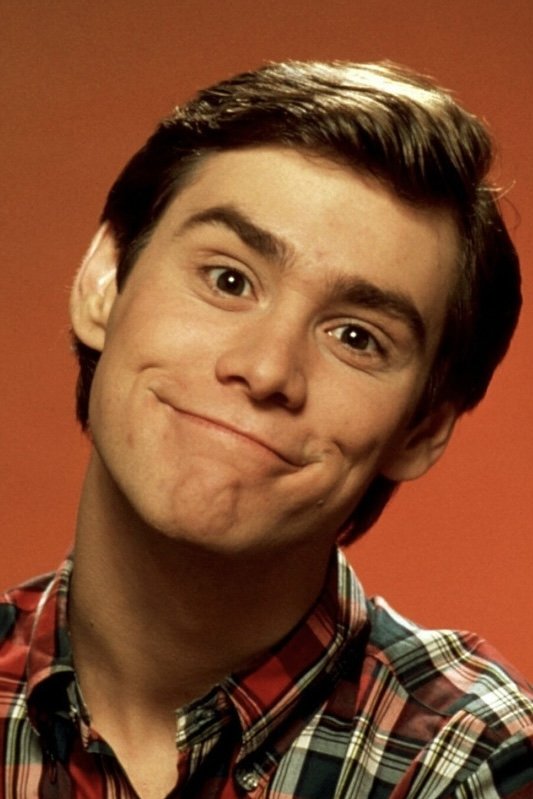
That gap between how Carrey is remembered and what he actually built is the subject of this Actor Spotlight, part of a series that has already covered Brad Pitt and Matt Damon. Rather than march through his filmography in order, this profile follows the threads that run through it: the body, the borrowed voices, the money, the heartbreak and the odd, stubborn habit of returning to places he swore he had left.
A kid from Newmarket with a rubber face
Carrey’s origin story has the shape of a movie he might have starred in. He was born James Eugene Carrey in Newmarket, Ontario, into a family that struggled financially. As a teenager, he worked security and janitorial shifts at a factory alongside his parents and siblings, balancing the job against school, and his grades and morale suffered. Comedy was the escape hatch. He took the stage in Toronto clubs as a teenager, leaned on celebrity impressions and eventually moved to Los Angeles, where the stand-up circuit led to a lucky break: Rodney Dangerfield took him on as an opening act and later brought him to Las Vegas.
The 1980s were an apprenticeship rather than a breakthrough. Carrey picked up small film parts, including roles in Peggy Sue Got Married (1986), Earth Girls Are Easy (1988) and The Dead Pool (1988), and none of them hinted at the volume of what was coming. What they did was teach him how a movie set works, and how little a movie set knows what to do with a performer who cannot stand still.
Ten months that rewired comedy
The answer arrived on television. From 1990 to 1994, Carrey was a full cast member of the Fox sketch series In Living Color, appearing in roughly 125 episodes as the only white male in an ensemble built around Black comic talent. The show gave him a weekly stage for his impressions and his physical gifts, and it produced Fire Marshall Bill, a character so ridiculous that it escaped the sketch and became a catchphrase.
Then, in 1994, he did what few performers have managed in any era: three hit comedies in about ten months. Ace Ventura: Pet Detective crossed $100 million worldwide. The Mask earned about $350 million. Dumb and Dumber added roughly $247 million. Each film sold a different version of the same product. Ace Ventura was pure id, The Mask was a live-action cartoon and Dumb and Dumber was a duet of stupidity with Jeff Daniels that has been quoted for three decades. By the end of the year, Carrey was the biggest comedy star on earth, and the sequel Ace Ventura: When Nature Calls (1995) and his turn as the Riddler in Batman Forever (1995) confirmed it.
How the face actually works
It is easy to dismiss what Carrey does as chaos, but the work has a grammar. His comedy runs on three tools that he combines in different proportions from film to film.
The body. Carrey builds characters from posture before he builds them from dialogue. Lloyd Christmas is a haircut and a slack jaw. Ace Ventura is a spring-loaded neck and a swagger. Stanley Ipkiss, once he dons the mask, moves like a drawing that has learned to walk. The slapstick is structured: he sets up a gag, complicates it and releases it, and the audience can see the architecture even while they are laughing.
The borrowed voice. Carrey began as an impressionist, and the habit never left. He wears a voice, wears a body and pushes both past their natural limits. It is visible in the Riddler’s theatrical menace, in Count Olaf’s parade of ridiculous disguises in Lemony Snicket’s A Series of Unfortunate Events (2004) and in the Grinch’s staged misery. Many of his best characters are performers inside the story, putting on a show for an audience that plainly wishes they would stop.
The speed. Fletcher Reede in Liar Liar (1997) spends most of the film in escalating panic. Bruce Nolan in Bruce Almighty (2003), handed divine powers, behaves like an overexcited child. The mania is the point, and it is also the risk: in the wrong material, the same energy becomes exhausting, which is why his reputation tracks so closely with the quality of his directors.
Paid $20 million to be unlikable
Stardom bought him leverage, and he spent it in a surprising way. For The Cable Guy (1996), directed by Ben Stiller, Carrey was reported to have been paid $20 million, a number that dominated the headlines. The film was a dark comedy about an obsessive cable installer who attaches himself to a lonely customer, and audiences expecting another Ace Ventura found something sour and unsettling. It earned far less than his previous hits and divided critics.
It has aged better than almost anything else from the period, and it reads now as a first attempt to darken a persona that the public wanted to keep sunny. Carrey followed it with the safest crowd-pleaser of his career, Liar Liar, directed by Tom Shadyac, who had also made Ace Ventura. The film grossed more than $300 million. The pairing reveals a habit that would define his career: use a sure hit to buy the freedom to take a risk, then accept that the risk will not always pay back at the box office.
The two Golden Globes and the missing nomination
The risk that paid off in prestige was The Truman Show (1998). Directed by Peter Weir from a script by Andrew Niccol, the film follows Truman Burbank, a man who has lived his entire life inside a television set without knowing it. Casting a comedian best known for yelling was a surprise, but the film depends on a particular kind of sincerity, and Carrey supplied it: warm, funny and increasingly haunted. He won the Golden Globe for Best Actor in a Drama. The film earned Oscar nominations for Weir, Niccol and supporting actor Ed Harris, but not for its star, an omission that critics have debated ever since.
A year later he followed it with Man on the Moon (1999), Milos Forman’s biography of Andy Kaufman, the avant-garde comedian whose act was an assault on the idea of an act. Carrey stayed in character as Kaufman, and as Kaufman’s abrasive alter ego Tony Clifton, for long stretches of the shoot. That process was later documented in Jim & Andy: The Great Beyond (2017), a Netflix film directed by Chris Smith. The performance won him a second Golden Globe, this time for Best Actor in a Musical or Comedy, and cemented his reputation as an actor who would go to extremes in service of a part. It still did not earn him an Oscar nomination.
Three Carreys in four years
From 2000 to 2004, Carrey ran the table on his own range, delivering three radically different performances that together function as a manifesto.
The monster. How the Grinch Stole Christmas (2000), directed by Ron Howard, grossed more than $350 million and won the Academy Award for Best Makeup. The Grinch is a performance buried under prosthetics, and Carrey has said the makeup sessions were among the hardest experiences of his working life. It remains one of the defining holiday films of its generation, and no one has played the character in live action since.
The superstar. Bruce Almighty (2003), another Shadyac collaboration, grossed roughly $484 million worldwide. It was the full commercial Carrey, a man given the powers of God and used to reveal how small his ambitions are.
The ghost. Eternal Sunshine of the Spotless Mind (2004) is the film that many critics consider his best. Directed by Michel Gondry from a script by Charlie Kaufman, it cast him as Joel Barish, a withdrawn man who undergoes a procedure to erase his memories of a failed relationship with Clementine, played by Kate Winslet. The film won the Oscar for Best Original Screenplay, and Carrey’s performance, restrained, tender and often silent, is the clearest evidence that his dramatic gifts were as real as his comic ones. Notice how the manic energy has gone inward: the audience carries the memory of the loud Carrey into the quiet scenes and feels the contrast.
The long shrug
What followed was a stretch of work that is harder to defend. Fun with Dick and Jane (2005) and Yes Man (2008) were mainstream comedies, The Number 23 (2007), directed by Joel Schumacher, was a psychological thriller that critics did not embrace, and Horton Hears a Who! (2008) and A Christmas Carol (2009), a motion-capture film from Robert Zemeckis, put his voice and movement in animated form. Mr. Popper’s Penguins (2011), The Incredible Burt Wonderstone (2013) and Dumb and Dumber To (2014) were lighter entries that did not advance his reputation.
The best film of the stretch was also one of the least seen. I Love You Phillip Morris (2009), in which he plays a con man in love with a fellow inmate played by Ewan McGregor, premiered at Sundance and found a small audience. It is a daring, emotionally open performance that sits comfortably beside his best work.
The most controversial moment came with Kick-Ass 2 (2013). After the film was completed, Carrey publicly distanced himself from it, citing his discomfort with its violence in the wake of real-world tragedies, and declined to promote it. By the mid-2010s he was spending more time painting, a pursuit documented in the short film I Needed Color (2017), and his screen appearances thinned to small, strange roles in films such as Dark Crimes (2016) and The Bad Batch (2017).
The decade also produced the series that brought him back into the conversation. Kidding (2018–2020), a Showtime comedy directed in part by Gondry, cast him as Jeff Pickles, a beloved children’s television host whose family life is falling apart. It ran for two seasons and earned him a Golden Globe nomination, and it was an unusually exposed performance: a gentle public persona cracking under private grief.
The hedgehog saves the day
Nobody predicted that the next act of Carrey’s career would involve a blue video game mascot. Sonic the Hedgehog (2020) cast him as Dr. Ivo Robotnik, a vain, hyperactive genius with a mustache and a bottomless supply of contempt, and the performance was widely credited as the reason the film worked. It earned about $320 million worldwide. Sonic the Hedgehog 2 (2022) grossed about $405 million, and Sonic the Hedgehog 3 (2024), in which he also played Robotnik’s grandfather Gerald, earned roughly $490 million.
The role works because it plays to his oldest strengths. Robotnik is a performer within the story, a man who delivers every insult with his full physical vocabulary, and the part is almost a greatest-hits reel of Carrey mannerisms. In 2022, while promoting the second film, he said publicly that he was fairly serious about retiring. Returning for the third film suggested the retirement was less a decision than a mood. A veteran star carrying a global hit is a familiar story this year, as Brad Pitt’s F1 showed, but the Sonic films made the case from the opposite side of the comedy-drama divide.
The comeback slate
The retirement talk now looks quaint. The recent news around Carrey is the busiest stretch of his career in a decade, and it comes in three parts.
- The Grinch returns. On June 18, 2026, The Hollywood Reporter and other outlets reported that Universal and Imagine Entertainment are developing a sequel to How the Grinch Stole Christmas, with Carrey in talks to return, Ron Howard expected to direct and Brian Grazer to produce. No release date has been set. Carrey has said before that he would consider returning, but that the intensive makeup on the first film was off-putting and that he wanted to use motion capture.
- George Jetson. On August 6, 2026, Warner Bros. Discovery confirmed in its second-quarter shareholder letter that Carrey will star in a live-action version of The Jetsons, placing the film on its slate beyond 2027. The studio has not officially named his character or the director, though Variety reported in October 2025 that he was in talks to play George Jetson with Colin Trevorrow attached to direct and co-write with Joe Epstein.
- Sonic the Hedgehog 4. The fourth film is set for March 2027, one of the entries on a crowded release calendar tracked in Most Anticipated Movies of 2027, with Carrey expected to return as Robotnik.
The Grinch sequel also fits a wider pattern of stars reconsidering signature roles. Johnny Depp recently said he would return as Jack Sparrow to give the franchise a better send-off, a story covered in Johnny Depp Says He Would Return for Pirates of the Caribbean 6. Nicolas Cage, meanwhile, said he was relieved when Prime Video ended Spider-Noir after one season, a story covered in Nicolas Cage Says He Was Relieved When Prime Video Canceled Spider-Noir, and said he refused to sign an AI waiver for the series, as reported in Spider-Noir: Nicolas Cage Says He Refused to Sign Amazon’s AI Waiver.
Away from the screen, a representative confirmed to People on September 30, 2026, that Carrey had married his longtime partner, Min Ah. The couple had appeared together in Paris at the César ceremony earlier in the year, where his representative confirmed to Entertainment Weekly that he had attended and accepted the prize in person after online rumors questioned whether the man on stage was really him.
The Carrey scorecard
Sorting his work by the kind of performance on offer, instead of by date, makes the pattern easier to see. Carrey has three modes, and the best films mix them.
| Film | Year | Dominant mode | What it proved |
|---|---|---|---|
| Ace Ventura: Pet Detective | 1994 | Manic | A rubber face could open a movie |
| The Mask | 1994 | Manic | About $350 million as a live-action cartoon |
| Dumb and Dumber | 1994 | Manic | Began the long partnership with the Farrelly brothers |
| The Cable Guy | 1996 | Dark | First serious attempt to sour the persona |
| Liar Liar | 1997 | Manic | The commercial peak of his physical comedy |
| The Truman Show | 1998 | Restrained | Golden Globe win and a new kind of Carrey |
| Man on the Moon | 1999 | Immersive | Second Golden Globe; total-commitment acting |
| How the Grinch Stole Christmas | 2000 | Manic, buried in makeup | Over $350 million and an Oscar for Best Makeup |
| Bruce Almighty | 2003 | Manic | Roughly $484 million worldwide |
| Eternal Sunshine of the Spotless Mind | 2004 | Restrained | The performance critics return to most |
| I Love You Phillip Morris | 2009 | Hybrid | A daring, underseen character study |
| Kidding | 2018–2020 | Hybrid | Television showcase for the quiet and loud halves |
| Sonic the Hedgehog 3 | 2024 | Manic | About $490 million; a dual role late in his career |
Selected credits. Awards and grosses as reported in the sources listed below.
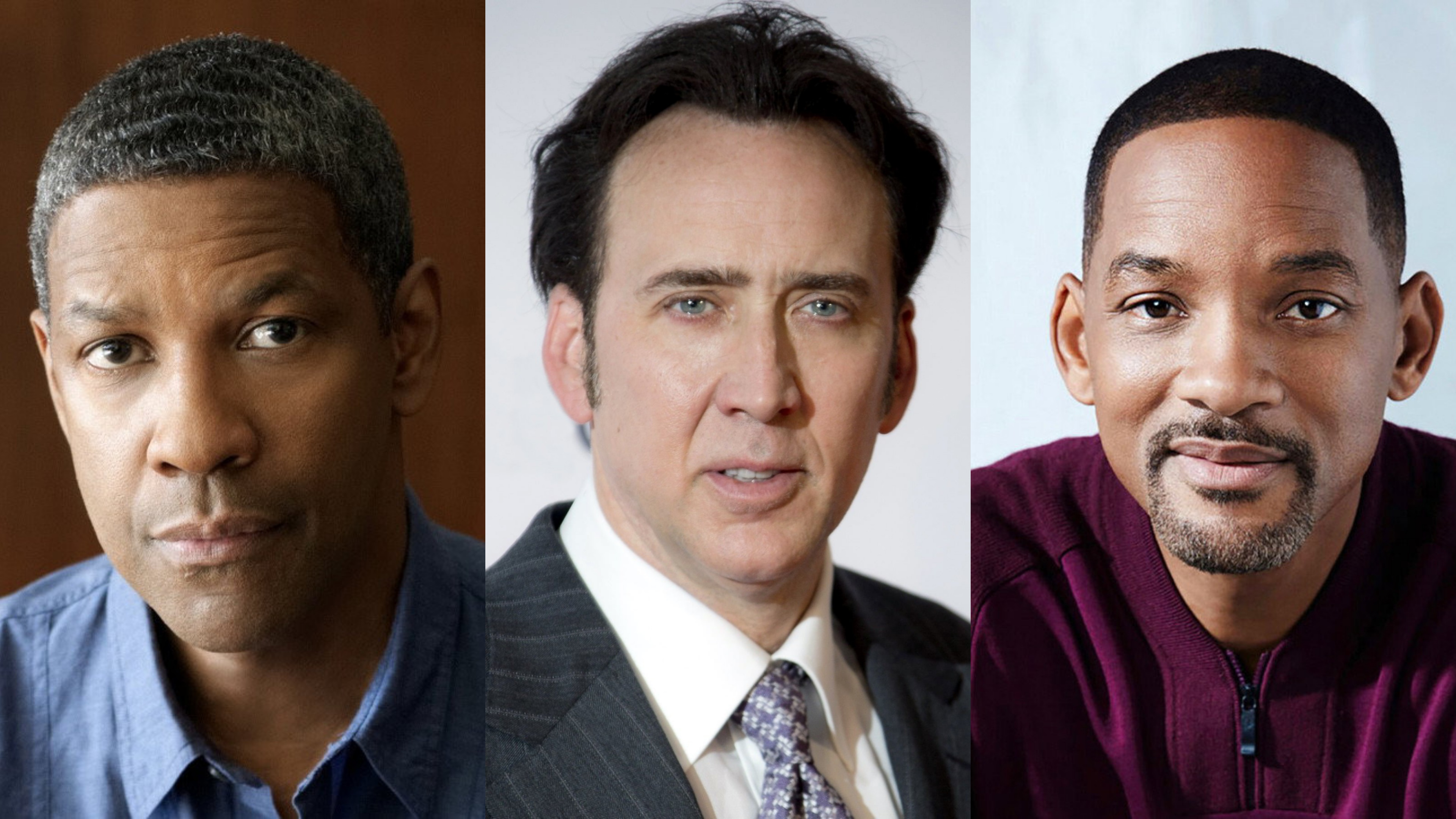
The films most worth revisiting beyond the obvious are The Cable Guy, which looks sharper every year, I Love You Phillip Morris, and Kidding. The Majestic (2001), directed by Frank Darabont, is a sentimental, Capra-style drama that critics dismissed but that gives him a gentle, wounded role. How casting decisions shape careers, including the roles that actors decline, is a recurring theme of 10 Actors Who Turned Down Roles That Became Legendary.
Why Carrey still matters
The easy version of the Carrey story is that a clown learned to cry. The more accurate version is that he never stopped being both, and that the tension between the two is the engine of his best work. The comedy gave him the audience and the freedom to take risks. The dramas gave the comedy a depth that imitators have rarely matched.
His catalog also lands at an interesting moment. The industry is arguing about whether a synthetic performer can act at all, a debate unpacked in AI Cannot Act. Carrey’s career, built on bodily risk, improvised surprise and the willingness to disappear into another person, is a pointed answer to that question. A Grinch sequel, a George Jetson and a fourth Sonic film await. For an actor who spent the 1990s being told he was only a clown, that is a satisfying place to be.
- Wikipedia: Jim Carrey
- Wikipedia: Jim Carrey filmography
- IMDb: Jim Carrey
- TMDB: Jim Carrey
- Deadline: Jim Carrey Eyeing Reteam With Ron Howard on The Grinch Sequel at Universal
- Syfy Wire: Jim Carrey and Ron Howard Plan Return to Whoville With Live-Action Grinch Sequel
- TheWrap: The Grinch Sequel in Development With Jim Carrey, Ron Howard in Talks to Return
- Variety: Grinch Sequel in the Works With Jim Carrey and Ron Howard Returning
- MovieWeb: Jim Carrey’s Live-Action Jetsons Reboot Officially Moving Forward
- Variety: Jim Carrey in Talks to Star in The Jetsons Live-Action Movie
- NewsChannel 9: What’s going on with Jim Carrey? (Honorary César coverage)
- MTV Uutiset: Jim Carrey meni naimisiin
NEWS
Latest on Every Movie Plug
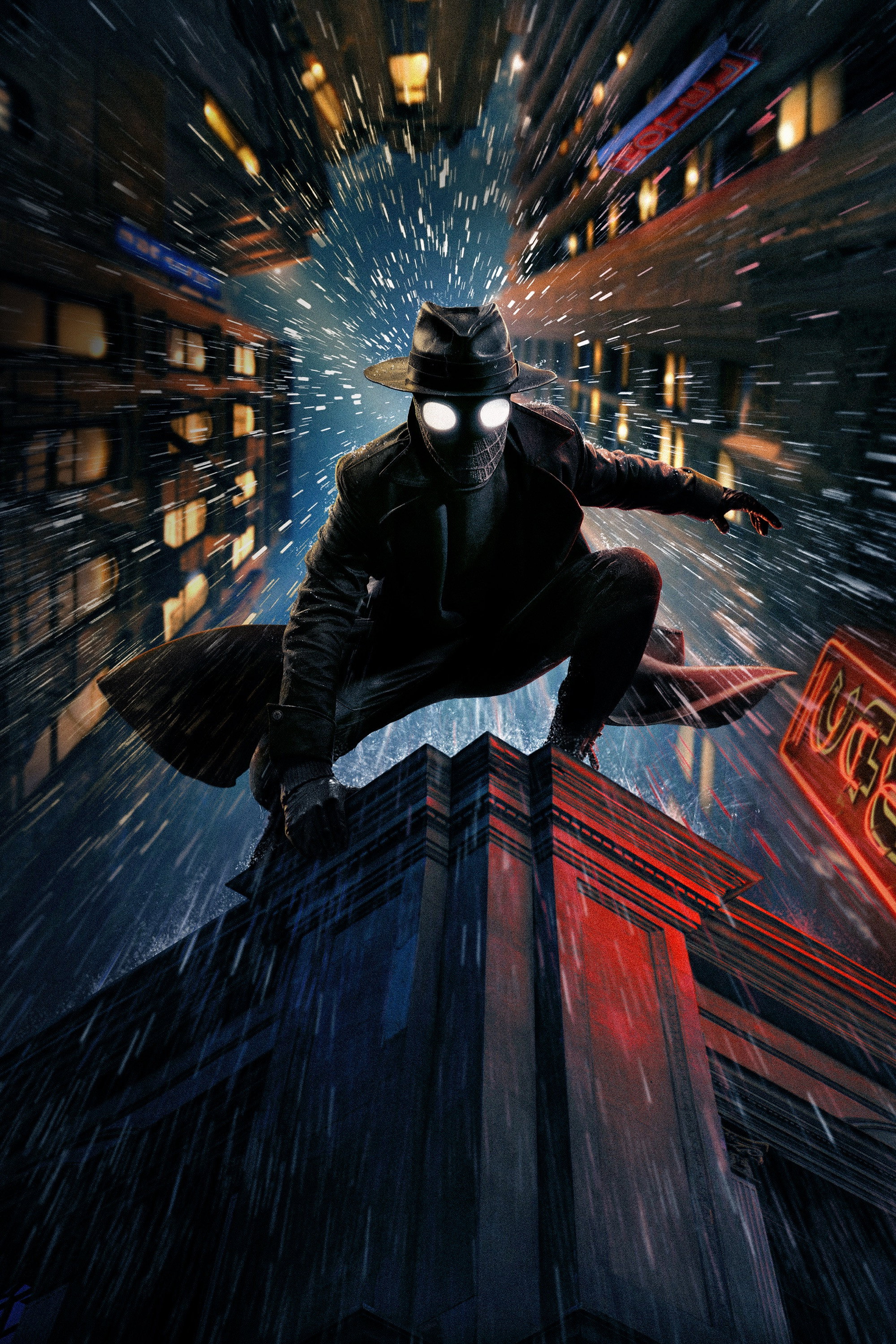 TV News Nicolas Cage Says He Was Relieved When Prime Video Canceled Spider-Noir: “Whew, Thank You!” Nicolas Cage says he was relieved when Prime Video canceled Spider-Noir after one season, calling it a perfect season. Here is what he said and why it ended. Read the story →
 TV News Spider-Noir: Nicolas Cage Says He Refused to Sign Amazon’s AI Waiver At New York Comic Con, Nicolas Cage said he declined to sign an AI waiver for Spider-Noir and will probably not work with Amazon again, weeks after the series was canceled. Read the story →
ARTICLES
RELATED ARTICLES
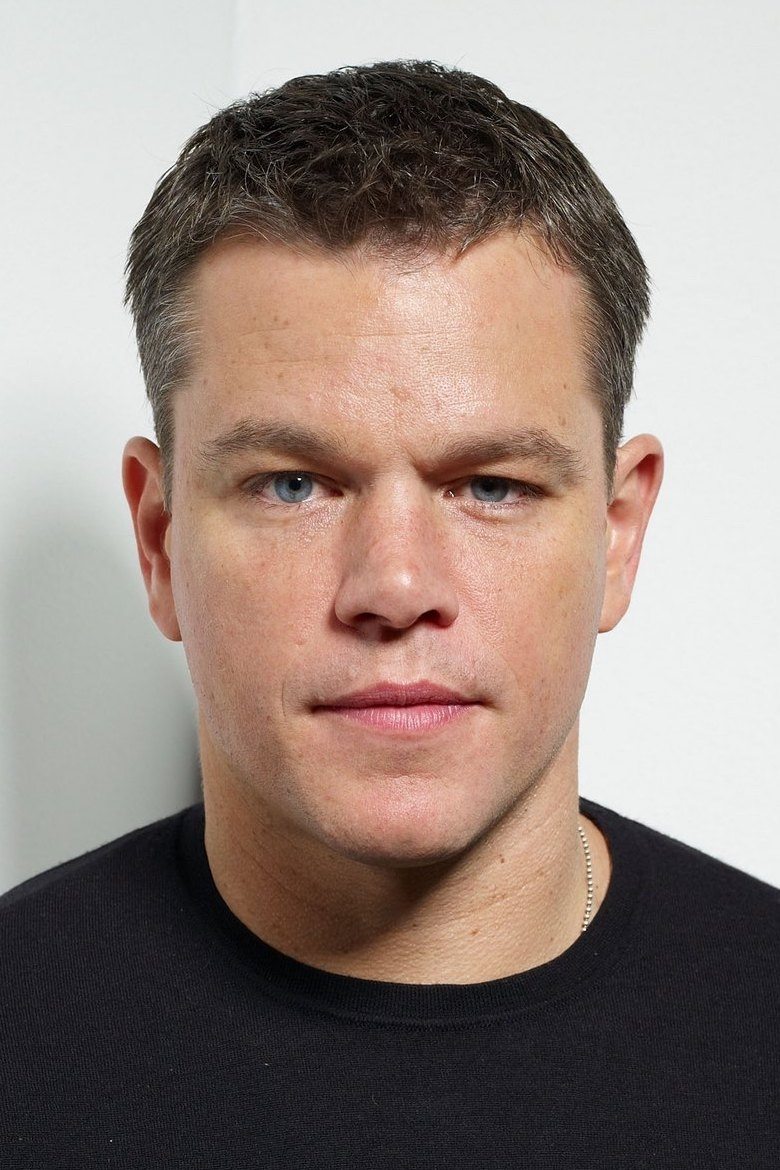 Actor Spotlight Matt Damon Actor Spotlight: Performance, Pivots, Filmography Matt Damon’s career, analyzed: how his restrained performances work, the turning points from Good Will Hunting to Bourne, and which films carry real weight. Read the article →
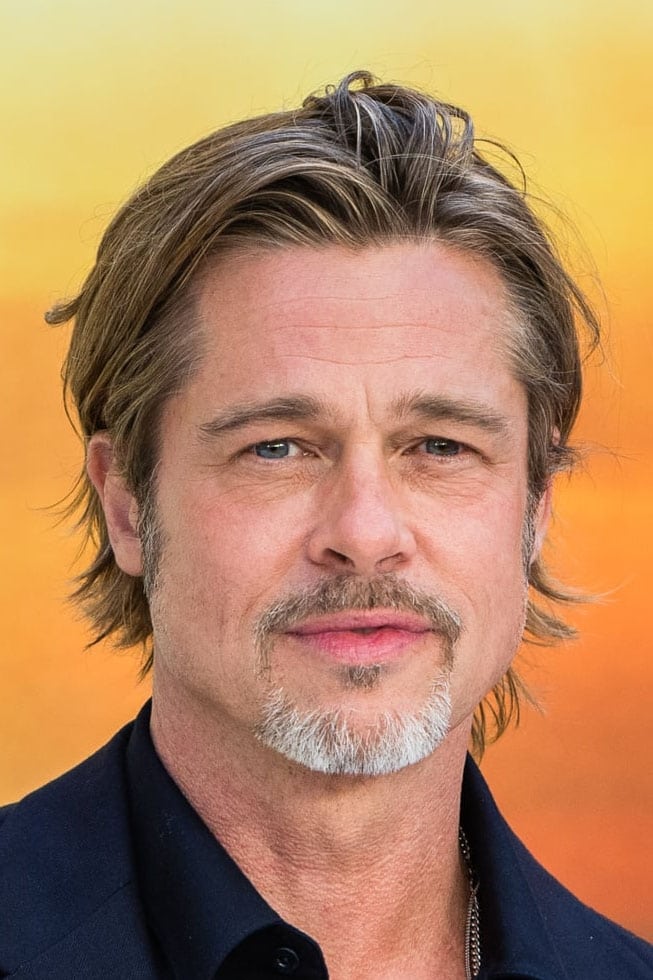 Actor Spotlight Brad Pitt Actor Spotlight: Performance, Pivots, Filmography Brad Pitt’s career, analyzed: how his performances work, the turning points from 12 Monkeys to Plan B to F1, and which films carry real weight. Read the article →
 Article 10 Actors Who Turned Down Roles That Became Legendary From Will Smith and The Matrix to Tom Selleck and Indiana Jones, here are 10 casting rejections that changed Hollywood history. Read the article →