Somewhere in the first act of Pulp Fiction, in an apartment where three young men are about to have the worst breakfast of their lives, Samuel L. Jackson stops being an actor delivering a speech and becomes a weather system. He recites a passage loosely adapted from the Book of Ezekiel, softly at first, then with a rising cadence that pulls the camera, the room and the audience toward him. It is one of the most absorbed scenes in modern film culture, and it is easy to forget how little of it lives on the page. The rest is Jackson. In the three decades since, the rest has nearly always been Jackson.

At 77, he is among the most widely seen performers who has ever worked. The films he has appeared in have grossed more than $27 billion worldwide, according to his TMDB biography, and in 2022 the Academy of Motion Picture Arts and Sciences gave him an Honorary Award, honoring him as a cultural icon whose work has resonated across genres and generations. This fall, he is back in the conversation for a reason that has nothing to do with a trophy: Nick Fury, the eye-patched spymaster he has played since 2008, is coming back to Marvel, though not as soon as fans hoped.
Update (Nov 15, 2026): Jackson told The Direct in October that Nick Fury will not appear in Avengers: Doomsday, set for December 18, 2026, but will return in the film after it. Marvel has not confirmed his appearance in Avengers: Secret Wars, which is dated for December 17, 2027.
- He has played Nick Fury across more than a decade and a half of Marvel films and series
- His breakout, Pulp Fiction, earned him a BAFTA win and an Oscar nomination
- His stage roots in Off-Broadway and Yale Repertory productions shaped the rhythm audiences recognize today
Worldwide box office of films he has appeared in$27 billion+
Eight Films, One Voice
A career this size resists summary, so begin with the evidence. These are some of the films most associated with him, ordered less by release date than by how often audiences return to them.
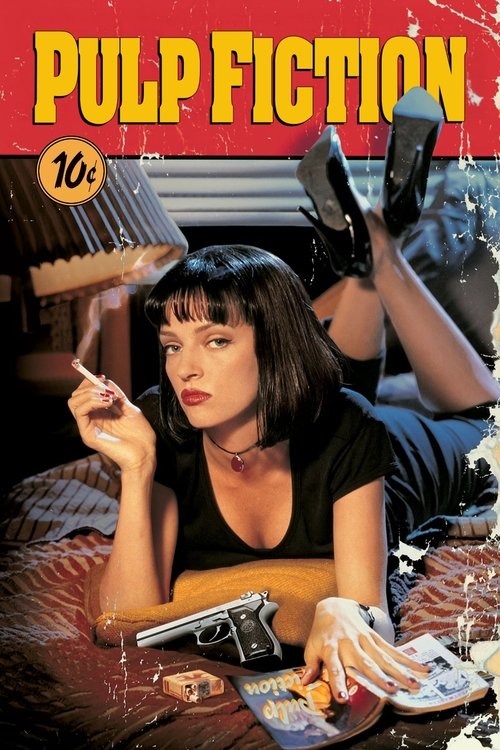
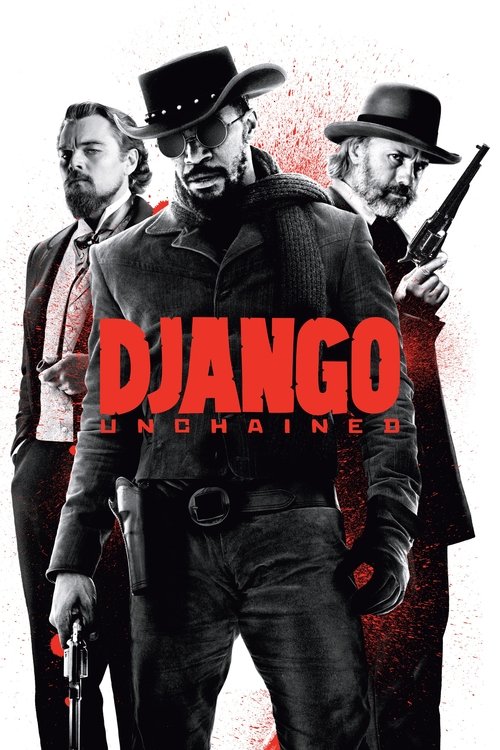
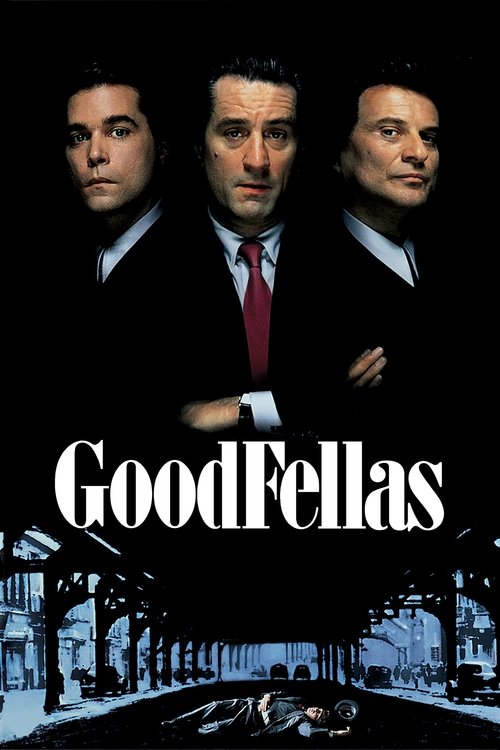

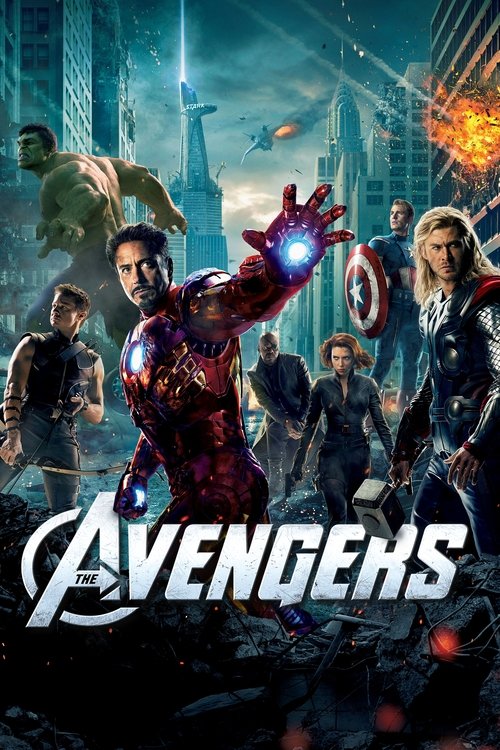

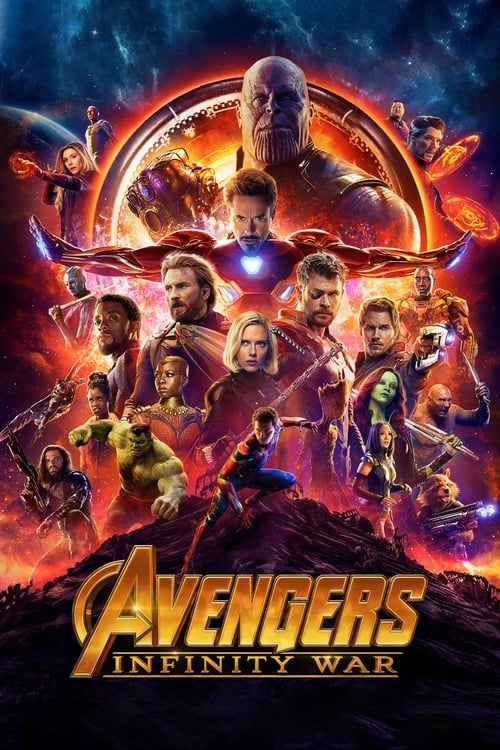
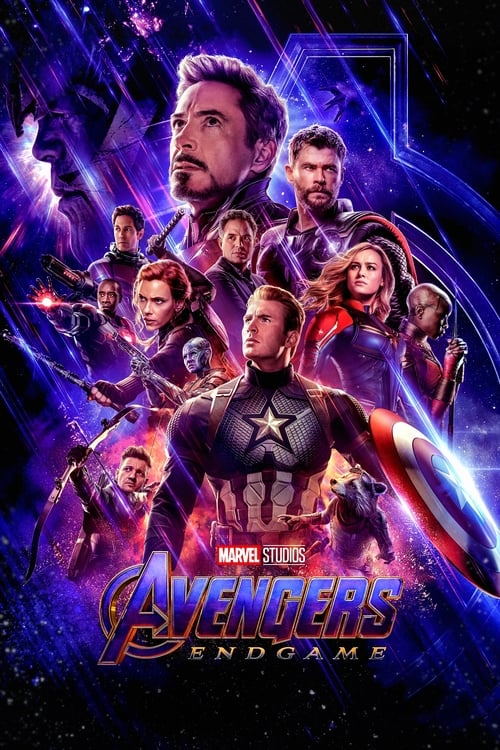
Posters via TMDB. Selection based on the most popular titles on Jackson’s TMDB profile.
A Voice Tuned in Chattanooga
Jackson was born in Washington, D.C., in 1948 and raised largely by his grandparents in Chattanooga, Tennessee. He went on to Morehouse College in Atlanta, where, according to Britannica, he became involved in the Black Power movement. He has spoken often about growing up with a stutter, and it is tempting, and probably a little too neat, to see the later command of rhythm as a kind of answer to it. What can be said without stretching is that his instrument was built carefully, by someone who thought hard about how sentences travel.
The place he built it was the theater. His professional stage debut came in 1980 in Mother Courage and Her Children at the Public Theater in New York. From 1981 to 1983 he originated the role of Private Louis Henderson in A Soldier’s Play Off-Broadway, and in 1987 he originated Boy Willie in August Wilson’s The Piano Lesson at Yale Repertory Theatre. Those stages taught him what film rarely teaches: how to hold a room with nothing but pacing and breath, and how a pause can land harder than a shout.
That lesson found its first screen home with Spike Lee. Jackson turned up in School Daze (1988), then had one of the most memorable small roles of the decade in Do the Right Thing (1989) as Mister Señor Love Daddy, the neighborhood radio DJ who narrates a block through a sweltering day. The part is mostly a voice in a booth. It is also, in retrospect, a preview of everything to come.
The Long Apprenticeship
If Jackson’s fame seems to have arrived all at once, the record says otherwise. Before 1994, he had spent years in the supporting ranks, picking up credits in Coming to America (1988), GoodFellas (1990) as the doomed Stacks Edwards, Patriot Games (1992), Juice (1992), True Romance (1993) and Jurassic Park (1993), where he supervises a doomed computer system as Arnold and warns everyone to hold on to their butts. The work was steady and often vivid. It was not yet a career.
The film that changed that was Jungle Fever (1991), Spike Lee’s drama in which Jackson played Gator Purify, a man consumed by addiction. The performance won him a special supporting-actor prize at the Cannes Film Festival, and it landed at a moment when he was beginning his own recovery. He has discussed his recovery from addiction publicly in the years since.
“Next movie… movie after this one.”
The Sermon and the Silence
Spoiler note
This section discusses plot details from Pulp Fiction, Jackie Brown, Django Unchained and The Hateful Eight.
Quentin Tarantino wrote Jules Winnfield for a particular kind of voice, and Jackson answered with something larger than a hit man. Jules is a killer who talks like a preacher, a philosopher who quotes scripture before he pulls the trigger, and the performance turns on a long, slow reversal. The man who delivers the famous speech with cold confidence in the apartment spends the rest of the film unlearning it. By the final diner scene, when Jules decides to walk away from a violent life, Jackson has done something rare in an ensemble caper: he has turned a stylish gangster into a person who is genuinely afraid of what he has been.
The industry noticed. The performance earned him a BAFTA win and an Academy Award nomination for Best Supporting Actor. The Oscar went to Martin Landau for Ed Wood, a result that has not stopped a generation of viewers from treating Jules as the film’s moral center.
Performance rating
Jules Winnfield, Pulp Fiction (1994)
The role that taught Hollywood what his voice could do, and the one every later Jackson character quietly answers to.
Pros
- A speech that became a cultural reference point
- A quiet, convincing arc from menace to doubt
- Perfect comic timing in the same scene as real danger
Tarantino kept writing for him. In Jackie Brown (1997), Jackson plays Ordell Robbie, a gunrunner whose charm is a sales technique, and the performance won him the Best Actor prize at the Berlin International Film Festival. In Django Unchained (2012), he plays Stephen, a house servant of staggering, calculated cruelty, one of the most unsettling villains of the decade. In The Hateful Eight (2015), he is Major Marquis Warren, a Civil War veteran trapped in a Wyoming cabin with a room full of liars. In Kill Bill: Vol. 2, he appears briefly as Rufus. Taken together, the Tarantino ledger reads like a seminar on how much range can sit inside a single recognizable voice.
| Film | Year | Role | What the part asks of him |
|---|---|---|---|
| Pulp Fiction | 1994 | Jules Winnfield | Menace that curdles into conscience |
| Jackie Brown | 1997 | Ordell Robbie | Charm as a weapon |
| Django Unchained | 2012 | Stephen | Quiet, calculated cruelty |
| The Hateful Eight | 2015 | Major Marquis Warren | Command in a room full of suspects |
Selected collaborations between Samuel L. Jackson and Quentin Tarantino.
Hollywood’s Safest Bet
The 1990s turned Jackson into something the industry had not seen before: a supporting actor who could carry a movie’s tone without carrying its poster. Studios began to treat his presence as insurance. He was Zeus Carver, the reluctant partner dragged across New York by Bruce Willis in Die Hard with a Vengeance (1995). He was Carl Lee Hailey in A Time to Kill (1996) and Lt. Danny Roman in The Negotiator (1997). By 2000, he was Elijah Price in M. Night Shyamalan’s Unbreakable, a frail, brittle man who comes to believe that the world needs a hero and a villain, and who understands which of the two he must become.
The performance of that era that looks best in hindsight is the quietest one. In Unbreakable, Jackson plays a man who is, for most of the film, the stillest person in the room. When the final reveal comes, it lands because he has been so patient. Two decades later, he returned to the role in Glass (2019), and the character had lost none of his stillness.
Mace Windu’s lightsaber is purple because Jackson asked for a color that would set the Jedi Master apart. The detail became one of the most recognizable touches of the Star Wars prequels, which began with The Phantom Menace in 1999.
The franchise years followed. He played Mace Windu across the Star Wars prequel trilogy from 1999 to 2005 and later returned to the character in animated and game form. He voiced Lucius Best, better known as Frozone, in Pixar’s The Incredibles (2004). He led Coach Carter (2005), turned Snakes on a Plane (2006) into an internet phenomenon and played the lisping tech billionaire Richmond Valentine in Kingsman: The Secret Service (2014). Few actors have moved between blockbuster comedy, prestige drama and animated family fare so quickly, and fewer have done it without losing their edge.
The Spymaster Who Kept Coming Back
The story of Nick Fury is partly a story about comic books. In the early 2000s, the Ultimate Marvel line redrew Fury to look like Jackson, with his permission, and the actor, a longtime comic-book reader, was a natural fit. When Marvel Studios began building a shared universe in 2008, it already had its Fury. He appeared in a post-credits scene in Iron Man and then, over the next decade and a half, stitched the franchise together: Iron Man 2, Thor, Captain America: The First Avenger, The Avengers, Captain America: The Winter Soldier, Avengers: Age of Ultron, Avengers: Infinity War, Captain Marvel, Avengers: Endgame, Spider-Man: Far From Home and The Marvels, along with the Disney+ series Secret Invasion.
Fury is a strange sort of lead. He is rarely the hero of the scene. He appears, delivers exposition, bends the plot toward the next film and leaves. Jackson makes that function feel like a personality. A character who might have been a delivery mechanism becomes the one person in the universe who seems to be thinking about the long game.
The role also became an early test case for a debate that has only grown louder. Captain Marvel (2019), set in 1995, used digital de-aging to roll Jackson back some two decades, a technique that now sits near the center of the industry’s argument about likeness and consent, explored on this site in AI Cannot Act. Other actors have wrestled with the same questions in public. Nicolas Cage, another performer who works constantly, recently said he was relieved when Prime Video ended Spider-Noir, as covered in Nicolas Cage Says He Was Relieved When Prime Video Canceled Spider-Noir, and said he refused to sign an AI waiver for the show, in Spider-Noir: Nicolas Cage Says He Refused to Sign Amazon’s AI Waiver. Jackson’s Fury, a character built on a real actor’s face and voice, sits squarely inside that conversation.
The character is now the subject of a different kind of waiting. Jackson’s October comments suggest the wait will be exactly one film long: an actor who has anchored a franchise since its first chapter was told that this one would go on without him, and that he would be back for the next. Johnny Depp recently floated a similar return in Johnny Depp Says He Would Return for Pirates of the Caribbean 6, another sign that studios and stars alike are rethinking how long a signature role can last.
The Quiet Work
It is easy to read a filmography like Jackson’s as a series of cameos and catchphrases. The evidence says otherwise. He played Louis Batiste, a charming doctor with a dark side, in Eve’s Bayou (1997). He was a desperate father in Changing Lanes (2002) opposite Ben Affleck. He played the real-life banker Joe Morris in The Banker (2020), a drama about two Black entrepreneurs in the 1960s.
And then there is The Piano Lesson. Jackson first met August Wilson’s world at Yale Repertory in 1987, when he played Boy Willie. In 2022, he returned to the play on Broadway as Doaker Charles, the older generation, and he appears in the 2024 screen adaptation in that role. It is a lovely, circular piece of casting: the young man who helped originate the play came back to play the uncle who guards its history.
This is the other half of the Jackson story. The big franchises pay for the choices that matter to him. The stage and the smaller films keep him honest.
What the Imitators Miss
Jackson is probably the most imitated voice in American movies, and the imitations tend to fall into the same trap. They hear the volume and miss the craft. The thing that makes him distinctive is not that he shouts. It is that he can make an ordinary line sound inevitable, that he knows exactly where to lean on a syllable and exactly when to let silence do the rest.
There is a fair criticism that some of his work has settled into a persona, that producers sometimes hire a “Samuel L. Jackson” more than an actor named Samuel L. Jackson. Even then, the best of his recent roles suggests a performer who is still choosing carefully. Glass, The Banker and The Piano Lesson are not the films of a man coasting.
The voice is the part everyone remembers. The listening is the part that makes it work.
The Road Ahead
The next year looks full. Avengers: Doomsday arrives on December 18, 2026, without Fury, according to Jackson, who says Marvel told him he is not in that film but will be in the next. Avengers: Secret Wars follows on December 17, 2027. On television, he plays Russell Lee Washington Jr. in Tulsa King, a man who befriended Sylvester Stallone’s Dwight Manfredi during a prison term, and a spinoff titled Frisco King, centered on his character, has been reported for 2027. In October, he attended the premiere of his new action film The Beast. Anyone planning ahead for next year’s biggest releases can follow along in Most Anticipated Movies of 2027.
For a fuller picture of how modern stars build durable careers, the other entries in this series make useful companions. Our profile of Brad Pitt looks at an actor who turned stardom into a producing career, and our Jim Carrey spotlight examines a comedian who kept reinventing himself. For a look at how much casting shapes a career, see 10 Actors Who Turned Down Roles That Became Legendary.
Ten Dates That Built a Career
- 1980Makes his professional stage debut in Mother Courage and Her Children at the Public Theater
- 1981Begins a run originating Private Louis Henderson in A Soldier’s Play Off-Broadway
- 1987Originates Boy Willie in The Piano Lesson at Yale Repertory Theatre
- 1989Plays Mister Señor Love Daddy in Spike Lee’s Do the Right Thing
- 1991Wins a special supporting-actor prize at Cannes for Jungle Fever
- 1994Breaks through in Pulp Fiction and earns an Oscar nomination
- 1999Debuts as Mace Windu in Star Wars: The Phantom Menace
- 2008Appears as Nick Fury in a post-credits scene in Iron Man
- 2022Receives an Academy Honorary Award and returns to The Piano Lesson on Broadway
- 2026Confirms Nick Fury will return after Avengers: Doomsday
Samuel L. Jackson, Answered
Did Samuel L. Jackson win an Oscar for Pulp Fiction?
No. He was nominated for Best Supporting Actor for his role as Jules Winnfield and won a BAFTA for the performance. The Oscar went to Martin Landau for Ed Wood. In 2022, the Academy gave Jackson an Honorary Award.
Is Samuel L. Jackson in Avengers: Doomsday?
According to Jackson, no. He told The Direct that Marvel said he would not be in the film and that Nick Fury would return in the movie after it, which points to Avengers: Secret Wars. Marvel has not confirmed his role.
How much have his films earned?
Films featuring Jackson have grossed more than $27 billion worldwide, according to his TMDB biography, which places him among the highest-grossing actors of all time.
What are his most famous roles?
Jules Winnfield in Pulp Fiction, Nick Fury in the Marvel Cinematic Universe, Mace Windu in the Star Wars prequels, Elijah Price in Unbreakable and Glass, Ordell Robbie in Jackie Brown and Frozone in The Incredibles.
- TMDB: Samuel L. Jackson
- IMDb: Samuel L. Jackson
- Britannica: Samuel L. Jackson
- Wikipedia: Samuel L. Jackson
- ComicBookMovie: Samuel L. Jackson Confirms That Nick Fury Will Return in Avengers: Secret Wars
- GamesRadar: Samuel L. Jackson says he is in Avengers: Secret Wars but Marvel has not told him anything else
- KinoCheck: Samuel L. Jackson Announces Marvel Return as Nick Fury, But Not in Avengers: Doomsday
- Flickering Myth: Samuel L. Jackson confirms Nick Fury MCU return in Avengers: Secret Wars
- The Cinemaholic: Samuel L. Jackson, Every Upcoming Movie and TV Show in 2026 and 2027
News
More on Every Movie Plug
 TV News Nicolas Cage Says He Was Relieved When Prime Video Canceled Spider-Noir: “Whew, Thank You!” Nicolas Cage says he was relieved when Prime Video canceled Spider-Noir after one season, calling it a perfect season. Here is what he said and why it ended. Read the story →
 Industry News Spider-Noir: Nicolas Cage Says He Refused to Sign Amazon’s AI Waiver At New York Comic Con, Nicolas Cage said he declined to sign an AI waiver for Spider-Noir and will probably not work with Amazon again, weeks after the series was canceled. Read the story →
Articles
Related Articles
 Feature AI Cannot Act A photorealistic “AI actress” had Hollywood’s agents curious and its actors furious. The debate is usually framed as a question of technology. It is really a question of what acting is. Read the article →
 Actor Spotlight Brad Pitt Actor Spotlight: Performance, Pivots, Filmography An analytical deep-dive into the performance mechanics, career turning points and filmography weight of a star who built his second career behind the camera. Read the article →
 Actor Spotlight Jim Carrey Actor Spotlight: Performance, Pivots, Filmography A profile that follows the threads running through Jim Carrey’s career: the body, the borrowed voices, the money, the heartbreak and the comebacks. Read the article →
 Casting 10 Actors Who Turned Down Roles That Became Legendary Hollywood history turns on sliding-door moments. These are the casting rejections that reshaped blockbuster cinema and handed other stars their defining parts. Read the article →