When One Battle After Another won Best Picture in March, it did something that has become oddly traditional: it beat every film the streaming services had made. Apple’s CODA is still the only streaming release the Academy has ever crowned, and this year’s winner took the older road. Cinemas first, then roughly twelve weeks of waiting, then a quiet arrival on HBO Max in December.
That sequence used to be a given. These days it is an advantage, and it is the quickest way to understand what has happened to watching movies at home.
The market you are choosing from this month is not the one you chose from a year ago. On October 6, Paramount closed its roughly $110 billion takeover of Warner Bros. Discovery, putting HBO Max and Paramount+ under one roof. Ten days later Netflix, which lost the bidding war for Warner, replaced its content chief and laid off about 1,000 people. Last week Disney said Hulu will finish moving into the Disney+ app in December. Back in April, Amazon put 4K behind an extra monthly fee. Every service on this list has rewritten the terms of its offer within the past twelve months, and almost all of them have raised the price.
So this is a ranking built for the ground as it actually is. Nine services, ordered by a single question: which of them is best at being where a movie lover lives?
What “best” means here
I weighed four things, in this order. First, whether a service has a library you can use on a random Tuesday, which is not the same as a library that is merely large. Second, how it treats films as films: how soon new releases arrive after cinemas, whether it will put a movie in theaters at all, whether the picture is something you would choose. Third, what the good version of the service costs, as opposed to the bait tier. Fourth, how safe a bet it looks for the next year, which in this market is a real consideration and not a footnote.
Two caveats. Prices and plans here are American, taken from published US pricing in early November; HBO Max only reached the UK in March, and every catalog below shifts by country. And this is a ranking for movies. Sort the same services by television and the order would be reshuffled in several places.
1. HBO Max: the studio shelf
The case for first place fits in a sentence. HBO Max is where Warner Bros. films go to live, and Warner Bros. has just had an Oscar night unlike any in recent memory: eleven wins, including its first Best Picture since Argo.
One Battle After Another took six of those. Ryan Coogler’s Sinners took four, Best Actor for Michael B. Jordan among them, and Amy Madigan won for Weapons. All three are on the service now, alongside the deep back catalog a studio that old accumulates. The new-release rhythm is the quiet selling point. The Best Picture winner arrived about twelve weeks after opening, and that is the usual pattern for Warner releases. Predictability is underrated: look at a Warner release date, add a season, and you know when to be home.
The pricing is mostly fair. Basic with ads is $10.99, Standard is $18.49, and Premium is $22.99, which is the only tier that streams in 4K. That is the one genuine sting: the Standard plan tops out at 1080p, so the best picture costs four and a half dollars more.
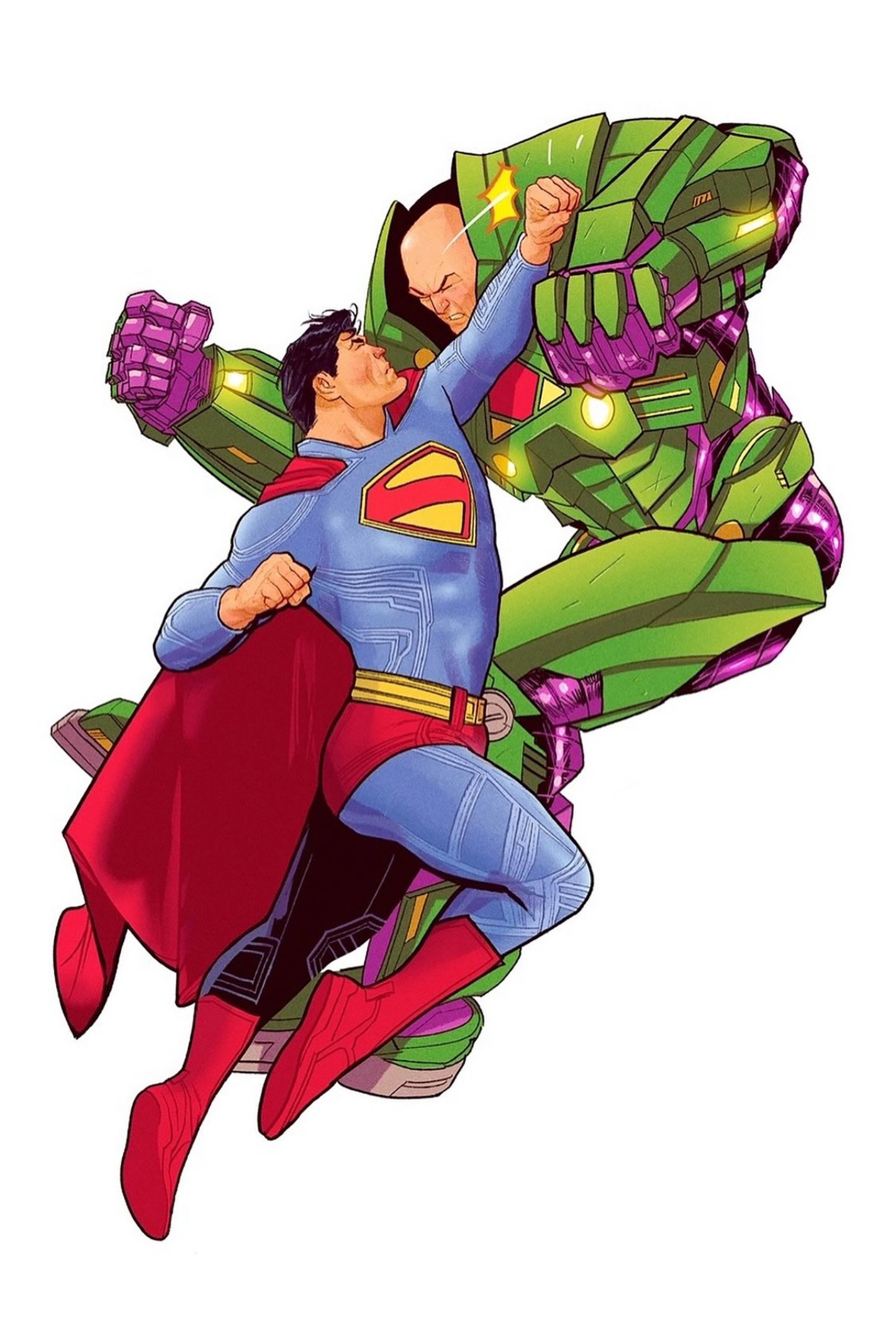
The risk is ownership. Paramount’s David Ellison has said Paramount+ and HBO Max will become one service, with HBO’s Casey Bloys running it, and no timetable was given at closing. The new owners’ first weeks have been turbulent at the creative level too. James Gunn and Peter Safran are leaving DC Studios on December 1, and Gunn has insisted no one from Skydance has seen Man of Tomorrow, which opens July 9. None of that has touched the library. All of it hangs over the future.
There is a counterweight. In settling with a dozen state attorneys general, the combined company agreed to release at least 30 films a year in theaters, a promise to keep the pipeline full. And between movies there is plenty to keep a subscription alive: the first season of HBO’s Harry Potter series premieres on Christmas Day, and The Last of Us returns for a planned final season in 2027.
2. Netflix: the machine that wants to be a studio
Netflix is the biggest paid streaming service on earth. It passed 325 million memberships at the end of last year, though it no longer reports a subscriber count every quarter. It makes more films than anyone, and when the volume works it gives you Frankenstein, which won three Oscars for its craft, or KPop Demon Hunters.
“Netflix is the best service for the most people, and the second best for people who love movies.”
What has changed is its relationship with the cinema. The Mosquito Bowl opened in select AMC theaters on October 30 and reaches Netflix on Wednesday, a gap of 26 days. Greta Gerwig’s Narnia: The Magician’s Nephew gets a full theatrical run from February 12 before it streams on April 2. A company that spent years treating theaters as optional is now booking them, which suggests it has noticed where prestige lives.

It is also a company in the middle of a reset. Bela Bajaria, who ran Netflix’s content for a decade, left on October 16, replaced by the veteran executive Peter Rice, as roughly 6 percent of staff were cut. Netflix won 16 Primetime Emmys this year, down from 30 in 2025. The numbers are still healthy: third-quarter revenue of $12.87 billion, up almost 12 percent, at a 34.6 percent operating margin. But Netflix trimmed its 2026 advertising forecast to about $2.7 billion from $3 billion, and the shares fell. The uncertainty touches the slate. Francis Lawrence says the BioShock film is getting closer, but the shake-up leaves its timeline unclear.
Still, the next two months are strong. The Take, the heist thriller with Denzel Washington and Robert Pattinson, arrives January 15, and Guy Ritchie and Jason Statham’s Dogfight goes into production early next year. The price, after March’s increase, is $8.99 with ads, $19.99 for Standard and $26.99 for Premium, which is where 4K lives.
3. Prime Video: the shop that happens to stream
Prime Video is three things at once, and the confusion is part of its problem. It is a subscription library that comes with Amazon Prime, at $14.99 a month or $139 a year. It is a rental and purchase store with one of the widest selections around. And it is a marketplace where other services sell you add-on channels inside the same app.
For a movie lover the store is the secret weapon. When a film is on no subscription service, it can usually be rented here, without ads. The catalog runs past 20,000 movies if you count the free, ad-supported ones.
The sting arrived on April 10. Amazon replaced its $2.99 ad-free option with Prime Video Ultra at $4.99 a month, and 4K now lives there too, so seeing a film properly on the service costs extra. The library has MGM’s back catalog but keeps some of it on MGM+, and it has few big franchises. The exception is a very large one. On November 16 Amazon MGM named Robert Pattinson as the next James Bond with Denis Villeneuve directing, and there is still no title or release date. For the history of what a Bond relaunch can do, read how GoldenEye saved James Bond.
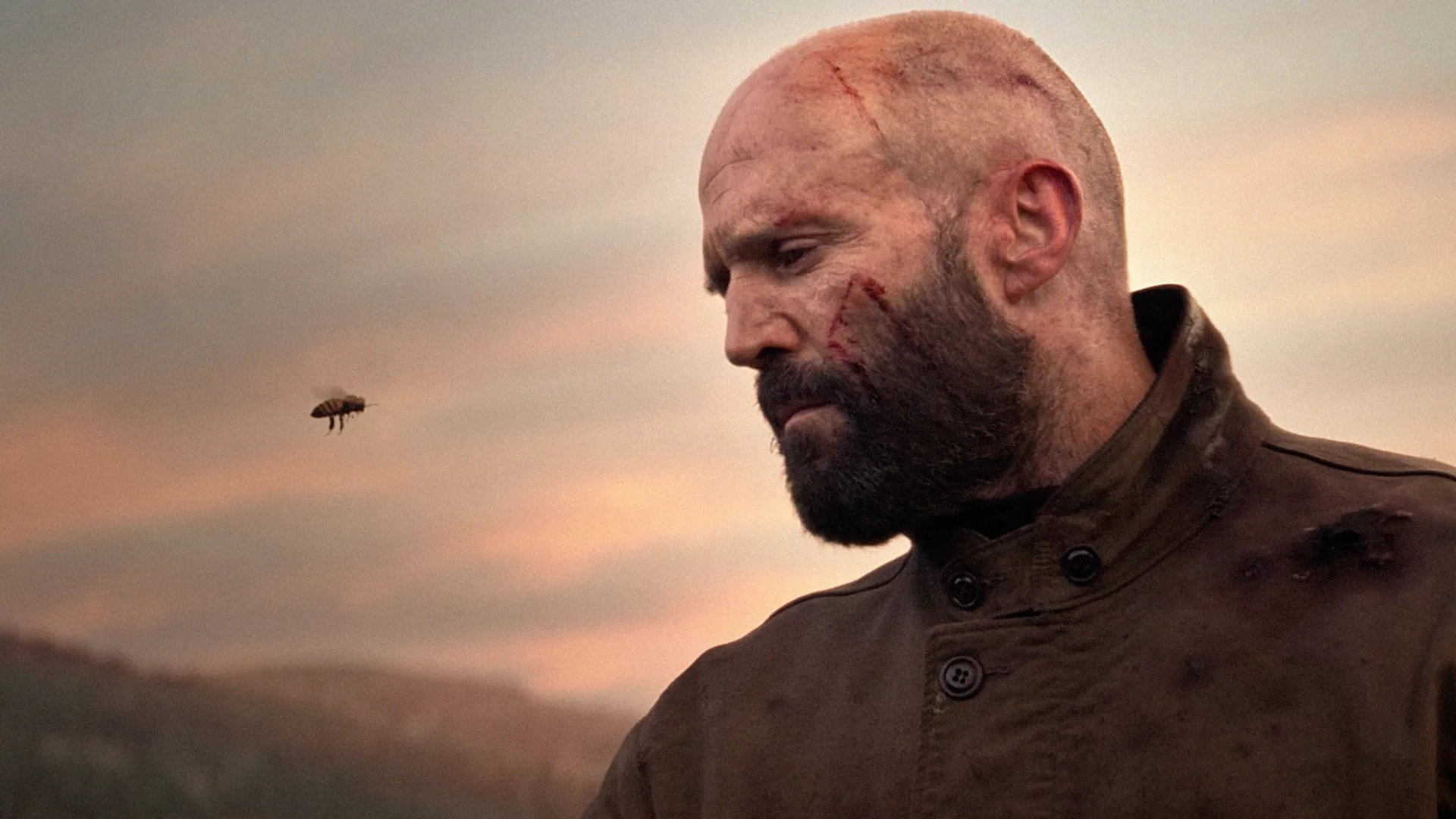
Amazon’s patience is not unlimited on the television side: Nicolas Cage has said he was relieved when Prime Video canceled Spider-Noir after one season. On the film side, The Beekeeper 2 opens January 15. Prime Video is the service you keep because you already pay for Prime, and it earns third place by being the best insurance policy on this list.
4. The Criterion Channel, and its neighbor Mubi: the reason to subscribe on purpose
These are a different species. Criterion, available only in the US and Canada, keeps a permanent library of well over a thousand films and arranges it the way a good programmer would: by director, by theme, by country, by decade, with the interviews and essays that come with Criterion editions. Mubi runs on scarcity instead, a rotating shelf of roughly thirty films at a time, chosen by people who are willing to be wrong in public.
Both do the thing no larger service wants to do, which is ask what you want to watch rather than what you were about to watch anyway. They are ranked fourth because they are the most specialized, not because they are fourth best at what they do. At what they do, nobody else on this list comes close.
The practical advice is to subscribe in the month you have a plan. Pick a director, a country or a decade, work through it, and cancel without guilt.
5. Tubi: the free service that got good
Tubi is owned by Fox, supported by ads, and asks for no payment and, to start, no account. It has more than 100 million monthly active users. That is the kind of audience that used to belong to a cable network.
The catalog is mostly older and stranger than what the paid services promote, and that is the appeal. Mads Mikkelsen’s revenge comedy Riders of Justice and the mockumentary Theater Camp are both on Tubi right now. Add Kanopy, which is free with a library card from most US public libraries and has no ads at all, and the Roku Channel and Pluto TV, and a household can watch a movie every night of the year without paying anyone.
What you give up is new releases, and sometimes picture quality. What you gain is the best argument on this list for cancelling something else.
6. Disney+ and Hulu: one app, two personalities
Disney’s library is the most complete in family film and the strongest in franchise: Marvel, Star Wars, Pixar and the 20th Century catalog. Hulu supplies the adult counterpoint. The two have been drifting together for three years, and on November 17 Disney said the merge is nearly finished. Beginning in December, Hulu’s live TV and its premium add-ons arrive inside Disney+. Disney did not say when the standalone Hulu app will end, and did not announce a price for the combined service.
The prices are not gentle. Disney raised both services in September, the fourth increase in four years. Disney+ with ads is $12.49 and Premium is $21.49. The bundle is the quiet bargain: Disney+ and Hulu together with ads is $12.99, and the ad-free bundle is $21.99, only 50 cents more than Disney+ Premium alone.
The business is working, at least. Disney’s streaming revenue hit $6.05 billion last quarter, up 19 percent, and its operating income more than doubled to $824 million, a figure Disney will stop reporting separately next year.

The reason to be a subscriber in December is Avengers: Doomsday, which opens December 18. Our watch guide breaks the 16 films into a six-film shortcut and a five-week plan, and if you also plan to see Dune: Part Three that weekend, the Dunesday survival guide sorts out which to see first. Disney is the best family-night service here and a thinner adult-film library, which is why it lands in the middle.
7. Apple TV: small shelf, big swings
Apple TV costs $14.99 a month. It also has one of the smallest libraries of any major paid service, so on a given night there is often less to watch. What it has instead is a taste for swinging big.
F1 is the proof. It earned more than $634 million worldwide, the biggest theatrical hit Apple has made, and it reached Apple TV on December 12 last year. The irony is that Apple needed Warner Bros. to distribute it in cinemas. It is also the reason the company’s film strategy is no longer a question mark. Eddy Cue told Reuters in June that Apple will keep making movies for both streaming and theaters, and that going to cinemas “did not hurt us” with F1. A sequel is being written.
The slate is thinner than it was. Apple has six films lined up for 2026 after releasing eight in each of the two previous years, and most are heading straight to the service. CODA remains the proof that a streaming film can win Best Picture, and Killers of the Flower Moon gave Apple its place in the prestige conversation. It is the best-looking and most selective service here, and the one with the least to watch. That puts it seventh.
8. Paramount+: a service in transition
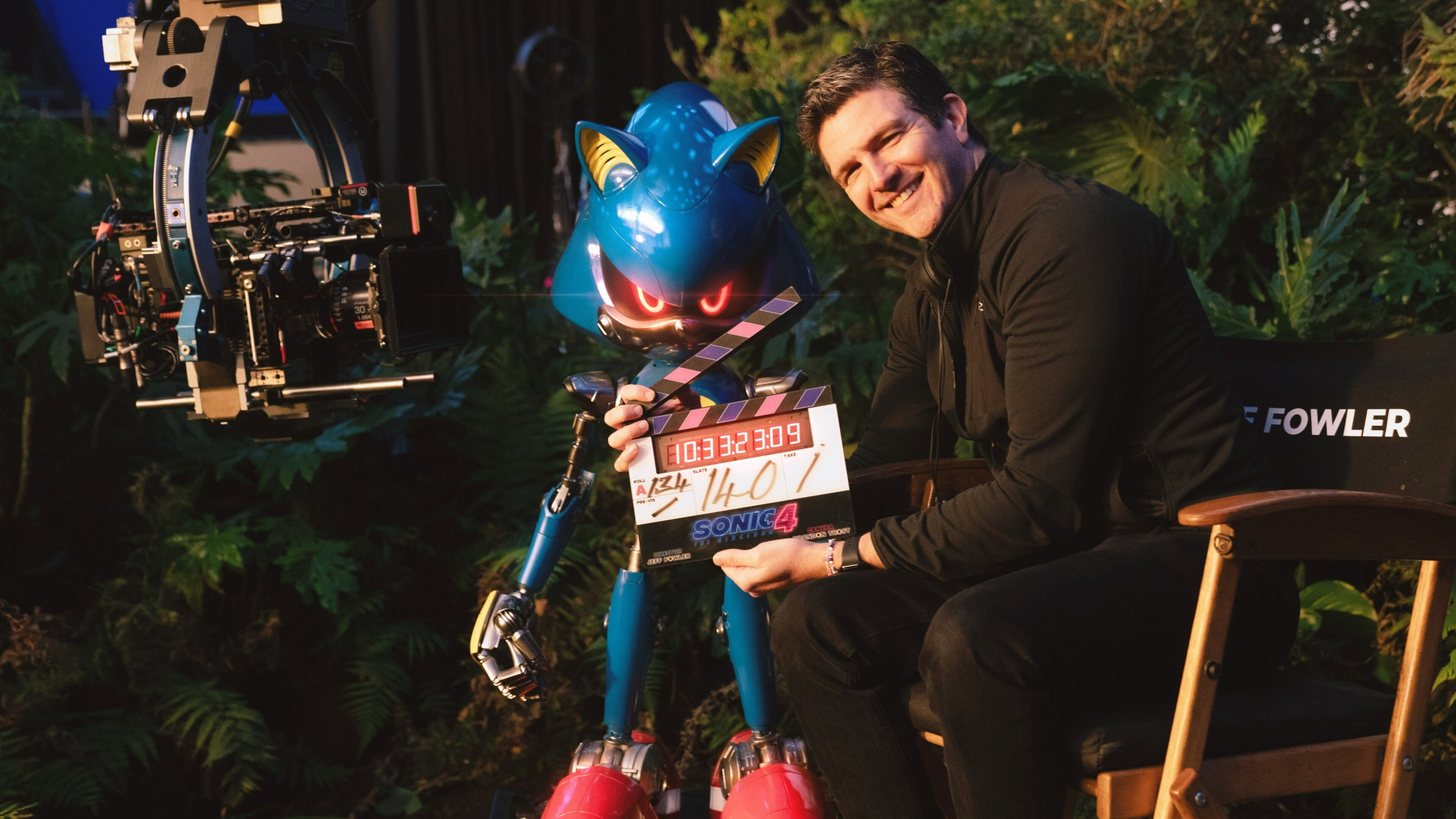
On paper Paramount+ is the cheapest way into a major studio: $8.99 for Essential and $13.99 for Premium, both raised by a dollar in January. It has Paramount’s film library and the Star Trek universe, and its slate has real commercial muscle: Children of Blood and Bone on January 15, Sonic the Hedgehog 4 on March 19, and Teenage Mutant Ninja Turtles: Mutant Mayhem 2 on August 13.
But what you are subscribing to is a promise. Ellison has said Paramount+ and HBO Max will be combined, and the merged company projected around 207 million streaming subscribers. At closing, no timetable had been announced, so what the single service will cost, and which library survives the transition, remains open. That is the reason it sits eighth. It may well rise in a year, and it might not exist under this name.
9. Peacock: the bench
Peacock, NBCUniversal’s service, raised all three of its prices in August: Select is $8.99, Premium is $12.99 and Premium Plus is $19.99. It is where Universal’s films tend to land, and its movie appeal rises and falls with Universal’s calendar. That calendar has The Mummy 4, with Brendan Fraser and Rachel Weisz back as Rick and Evelyn O’Connell, opening October 15, 2027.
It is a service to join for a month when something you want arrives, and to leave when you have finished. That is a fair description of how most people should treat several services on this list, and it is why Peacock is the bench: useful, and not a starter.

The arithmetic of staying subscribed
The ranking is the easy part. The harder question is what it costs to follow it.
Netflix, Disney+ and HBO Max, ad-free$59.97 a month
That is Netflix Standard, Disney+ Premium and HBO Max Standard together. It is $138 a year more than the same three cost two years ago, and a household that kept seven services, with Amazon’s ad-free add-on, now pays about $306 more annually than it did in November 2024.
| Service | Cheapest plan | Ad-free plan | A year ad-free |
|---|---|---|---|
| HBO Max | $10.99 (ads) | $18.49 | $221.88 |
| Netflix | $8.99 (ads) | $19.99 | $239.88 |
| Prime Video | Included with Prime | $14.99 Prime + $4.99 Ultra | $198.88 |
| Disney+ and Hulu | $12.99 (ads) | $21.99 | $263.88 |
| Apple TV | None | $14.99 | $179.88 |
| Paramount+ | $8.99 (ads) | $13.99 | $167.88 |
| Peacock | $8.99 (Select) | $19.99 (Premium Plus) | $239.88 |
US list prices from early November 2026. The Prime figure uses the $139 annual Prime fee plus twelve months of Ultra.
The sensible approach is to treat one service as an anchor and the rest as visitors. For most movie lovers the anchor is HBO Max, which gives the deepest library for the money, with Prime Video as the answer if you already pay for Prime. Let Netflix in when something worth seeing lands. Bring Disney+ in around December and Doomsday. Leave Criterion and Mubi for the months with a plan. Use the free services to fill the nights between. The windows are now regular enough to make that practical: a theatrical release followed by a streaming date is a calendar you can plan against.
What a ranking can’t tell you
By the time you read this the order may already be a little out of date. A ranking of streaming services is a photograph of something that has not stopped moving. Paramount will merge two services into one. Disney will fold a third. Netflix has a new man running its content, and its next year will tell you whether that was a reset or a repair.
What has not changed is the thing the Best Picture winner proved in March. The services worth keeping are the ones that respect the film: the ones that let it open somewhere dark first, tell you when it is coming home, and then hand it over in a form you would choose. Almost everything else about this market is up for negotiation. For now, that is the only test I would bet on. For a look at what is coming to test it, start with the most anticipated movies of 2027.
Where to start
- CNBC: Paramount’s hard-fought takeover of Warner Bros. Discovery closed Tuesday
- Variety: Paramount-Warner Bros. Merger Set to Close Next Week After Judge OKs Settlement With State AGs
- Yahoo Entertainment: Paramount and Warner Bros. Discovery’s $110 Billion Merger Closes
- Warner Bros. Discovery 10-Q: Termination of Netflix merger
- Wikipedia: Acquisition of Warner Bros. Discovery by Paramount Skydance
- Variety: Netflix Shocker: Bela Bajaria Leaving After 10 Years Amid Layoffs
- Variety: Netflix Q3 2026 Earnings: Streamer to Miss Ad Sales Target for Year
- Netflix: Q4 2025 shareholder letter (SEC filing)
- Motley Fool: Walt Disney Q4 2026 earnings call transcript
- 9to5Mac: Disney+ and Hulu’s fully unified app is coming next month
- Subscription Insider: Disney’s Streaming Profit Climbs as Hulu Integration Nears
- How-To Geek: 8 streaming services got more expensive in 2026
- Yahoo: Every Streaming Cost Increase in 2026
- Apple Scoop: Streaming service prices in 2026
- Stock Titan: Streaming Prices Since 2024
- Smart TVs: Streaming service prices in 2026
- AP via ABC7: One Battle After Another wins best picture at 98th Academy Awards
- NBC Bay Area: Oscars 2026 and how to watch Sinners and One Battle After Another
- Engadget: Warner Bros. dominates Oscars with 11 wins ahead of its acquisition by Paramount
- CNET via AOL: 2026 Oscars: How to Stream All the Winners
- Tom’s Guide: When is One Battle After Another coming to streaming
- IBC: Amazon launches Prime Video Ultra ad-free tier with higher price
- Tom’s Guide: Prime Video Report Card 2026
- Apple Newsroom: F1 The Movie to make global streaming debut December 12
- Reuters via Malay Mail: Fresh off F1 success, Apple eyes more movies for cinemas and streaming
- TechRadar: Apple TV going streaming first with every 2026 movie
- Silver Screen Riot: Best Free Movies Streaming Right Now (November 2026)
- Silver Screen Riot: Good Movies to Watch Right Now (November 2026)
- A Good Movie to Watch: The Best Curated Streaming Services
- Wikipedia: Tubi
Streaming news
Where the story goes next
 Film News Robert Pattinson Is the New James Bond, Amazon MGM Announces Amazon MGM Studios has named Robert Pattinson as the next James Bond, with Denis Villeneuve directing. What was announced, what it means and what is still unknown. Read the story →
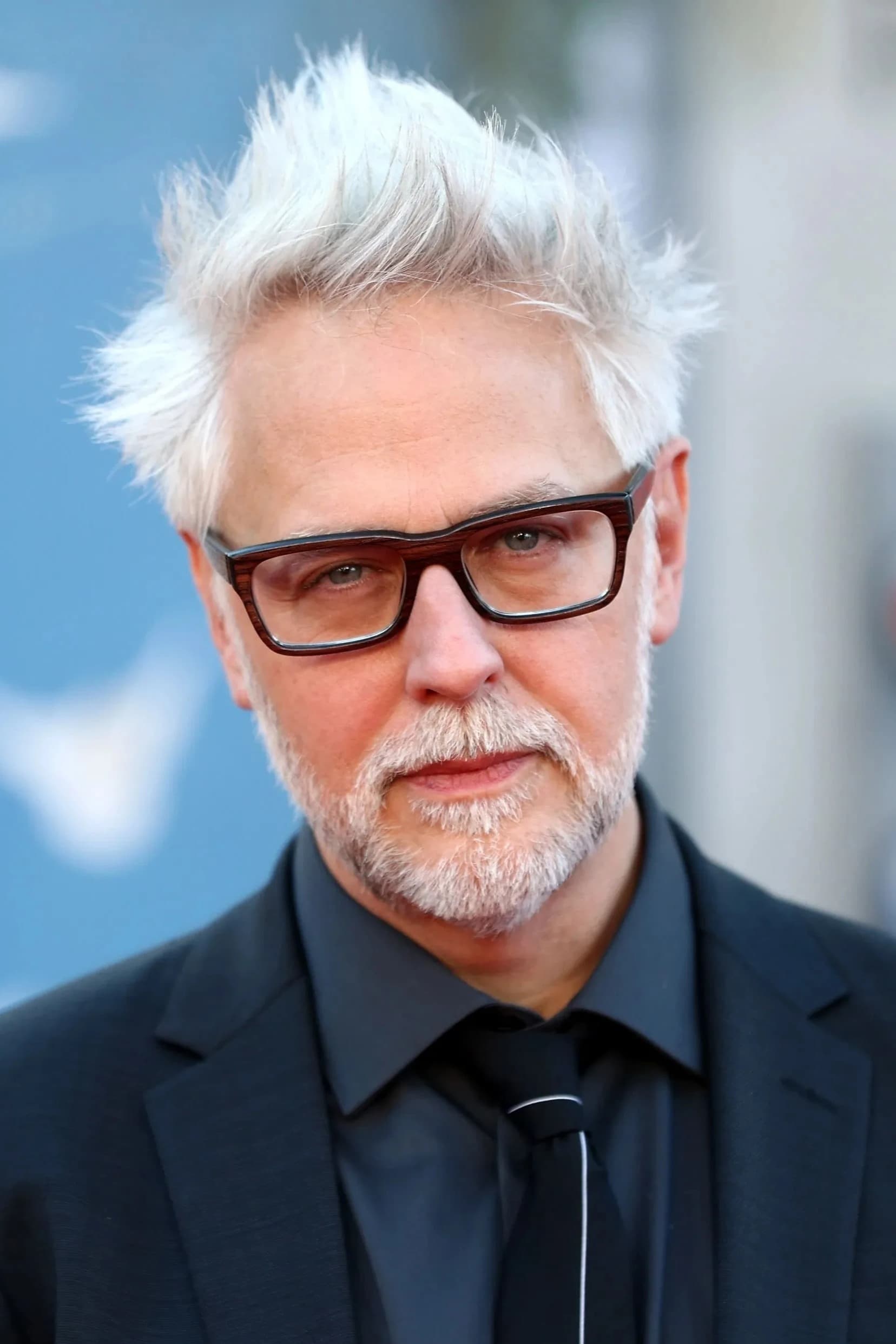 Film News James Gunn Steps Down From DC Studios: Why He and Peter Safran Are Leaving and What Happens Next James Gunn and Peter Safran are stepping down as DC Studios co-CEOs on December 1. Here is why they are leaving, who replaces them and what it means for the DCU. Read the story →
 Film News The Mosquito Bowl Opens October 30: Cast, Release Date and What Critics Are Saying Peter Berg’s World War II drama The Mosquito Bowl opens in theaters October 30 and streams on Netflix November 25. The cast, the true story behind the game and the first critic reactions. Read the story →
 Film News Netflix Unveils The Take First Look With Denzel Washington and Robert Pattinson, Sets January 15 Release Netflix revealed the first poster and photos for The Take, the Fernando Meirelles heist thriller with Denzel Washington and Robert Pattinson, out January 15. Read the story →
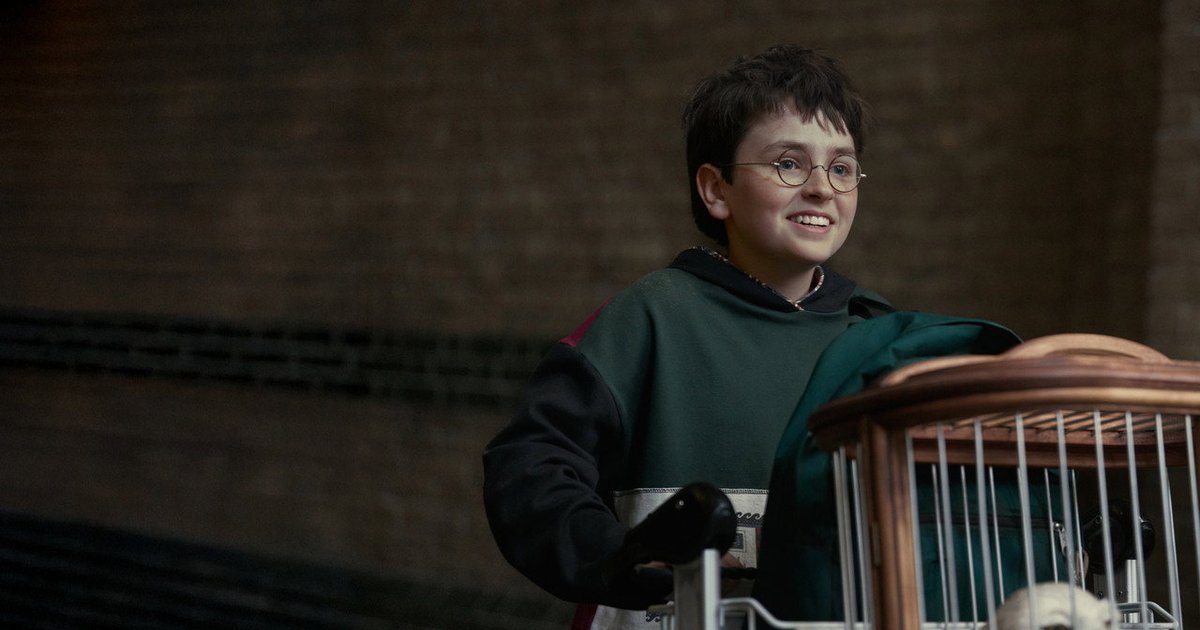 TV News HBO Casts Jasper Talbot and Hannah Chinn as James and Lily Potter, Plus Harry Gilby as Charlie Weasley HBO has cast Jasper Talbot and Hannah Chinn as James and Lily Potter and Harry Gilby as Charlie Weasley in Harry Potter season 1, which premieres December 25, 2026. Read the story →
Articles
Keep reading
 Watch Guide Marvel Movies to Watch Before Avengers: Doomsday (Watch Guide) Every Marvel movie worth watching before Avengers: Doomsday opens December 18, 2026, from Iron Man to Deadpool & Wolverine, with a six-film shortcut. Read the article →
 Article Dunesday Survival Guide: How to Watch Dune: Part Three and Avengers: Doomsday, and Which to See First Dune: Part Three and Avengers: Doomsday both open December 18, 2026. Runtimes, IMAX and premium formats, tickets, and which film to watch first. Read the article →
 Article Most Anticipated Movies of 2027: Every Major Release to Watch From Avengers: Secret Wars and The Hunt for Gollum to Narnia, Zelda and Spider-Verse, here is every major movie coming in 2027 and the dates to mark. Read the article →