Every game I admire eventually forces the same uncomfortable question: if you took the playing out, what would be left? For most blockbusters the honest answer is “a trailer.” For Grand Theft Auto VI, which reached PlayStation 5 and Xbox Series X|S on November 19 after two delays and a very long wait, the answer matters more than usual, because Rockstar has always staged its stories like a film studio with a bigger budget than most film studios.
So here is the premise of this review. Imagine Rockstar stripped out every drive, every shootout and every side errand, and stitched the story scenes into a single feature. That film does not exist, and I want to be clear that I am reviewing the idea rather than a screening. I have built it in my head from Rockstar’s own trailers and extended look, from the opening chapters as launch coverage has described them, and from the first week of reaction. Judged as cinema, with the controller taken away, does Grand Theft Auto VI hold up?

My short answer is that it does, better than I expected, and not for the reasons the marketing would suggest. I will keep to what Rockstar has shown and the early chapters, so there are no late-game spoilers here.
The Rules of a Fair Experiment
Fans have been cutting cutscenes into “game movies” for as long as games have had cutscenes, and the results are usually a polite disaster. Dialogue that was meant to be interrupted by a mission waypoint sits oddly on its own, and characters announce their motives because the player needed a reminder. I do not want to hold GTA VI to a standard it was never built for, so I set myself a few ground rules.
First, I am judging the story as a crime film: structure, performances, tone, pacing and what it has to say. Second, I am not penalising the supercut for losing the open world, but I am asking whether anything of value dies with it. Third, I am treating the cast as a film cast, which means the supporting players cannot hide behind a thirty-hour runway of gameplay.
A Crime Romance in a Hawaiian Shirt
Rockstar’s own pitch is a good one. Jason and Lucia know the odds are against them, and when an easy score goes wrong they find themselves on what the studio calls the darkest side of the sunniest place in America, caught in a conspiracy that stretches across Leonida. Strip the branding away and that is a very old, very reliable engine: two people who need each other, a job that falls apart, and a state full of people who would happily profit from their ruin.
It is also a story with a recognisable pedigree. Critics have reached for Bonnie and Clyde since the first trailer, and I think that is right, though the film this feels closest to in spirit is not a classic at all. It is the sort of heist thriller Netflix is about to release in The Take, the Fernando Meirelles thriller with Denzel Washington and Robert Pattinson, which lands on January 15. There is clearly an appetite for crime stories where the danger is as much emotional as it is violent, and Rockstar has bet a very large amount of money on that appetite.
What the supercut gets right is backstory economy. Jason grew up around grifters, served in the Army and drifted into Leonida’s drug trade. Lucia was taught to fight by her father, served time in prison and carries her mother’s old dream of a better life, a dream that goes back to their days in Liberty City. None of this needs an hour of setup. The trailers alone sketch two people with very different wounds, and a film built on that foundation would not need to explain itself.
Two Leads Carrying a Whole Film
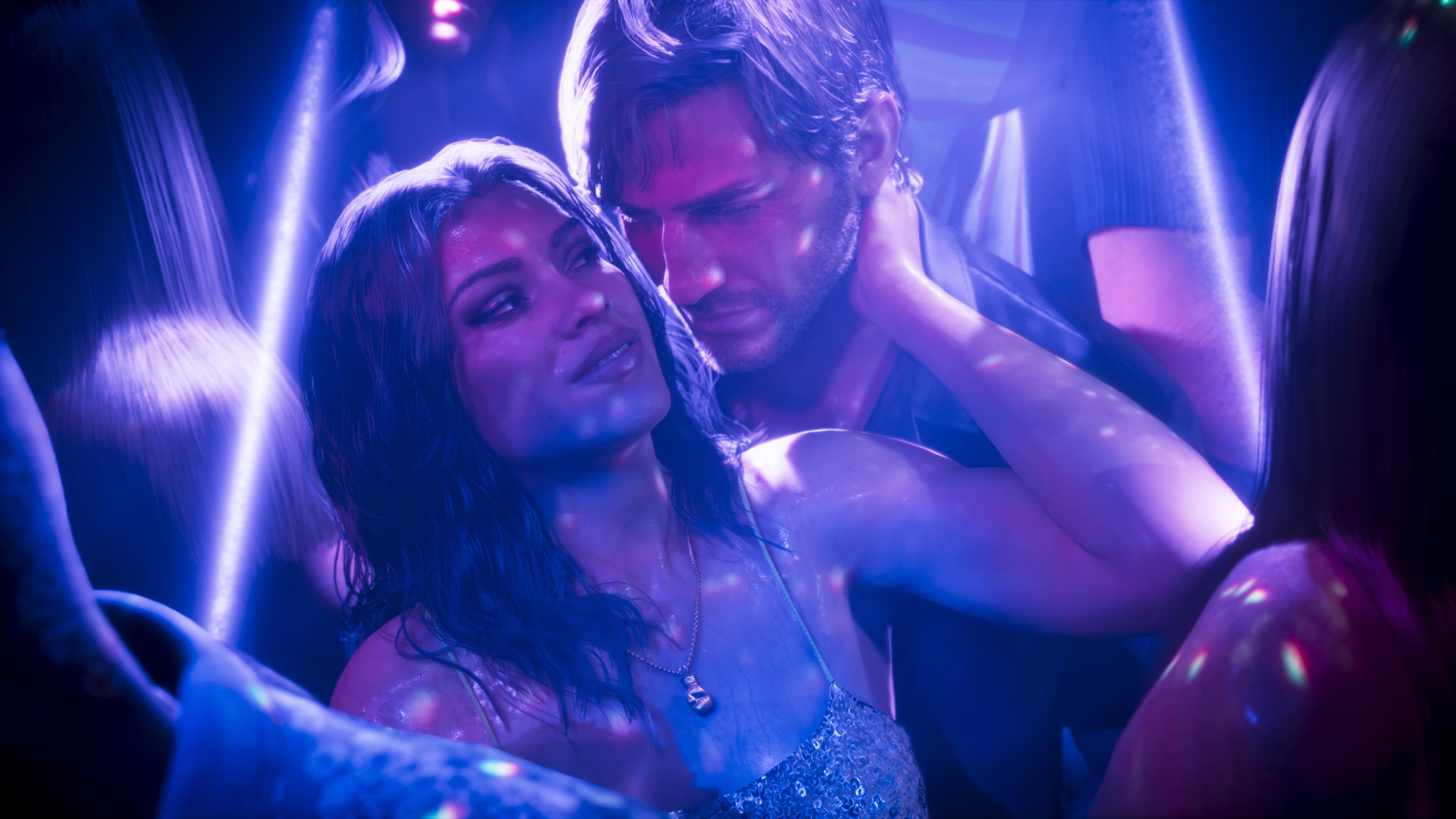
Here is where my expectations changed. A good crime film lives or dies on its central relationship, and several reviewers have argued that this is where GTA VI is strongest, describing Jason and Lucia as the most convincingly human protagonists the series has produced, with a chemistry that makes the whole thing, above all, a love story. I find that persuasive, and I suspect the film would too.
The structure helps. Early in the story, Jason scrambles to gather supplies for Lucia’s release from prison. A little later, the situation reverses, and Lucia is the one tending to a wounded Jason, tracking down his painkillers at a motel and getting dragged into a gang shootout for her trouble. Players have already argued about whether the relationship is balanced, and I find the symmetry elegant: each lead gets a stretch where they carry the other, which is exactly how you write a partnership instead of a romance with a sidekick.
“Strip away the driving, and what is left is a love story with a body count.”
On screen, the dual-protagonist structure becomes a cross-cut, the oldest trick in the thriller toolbox. In the game, screen wipes whisk you between Jason and Lucia mid-heist, and reviewers have noted that the cost is shallow action, with a lot of button-mashing to get through a stairwell fight before you are pulled away. As a film that problem simply vanishes. You would be left with the best part of the idea: two points of view, one crime, and the dread of watching a plan go wrong from both sides at once. It is the same quiet ache I found in our review of Redemption River, where two people under pressure can mistake each other’s silence for something worse.


The Supporting Cast Problem
If the leads are the film’s best argument, the supporting players are its weakest. Early coverage has been blunt that most of the surrounding cast leans on caricature, and that the exaggeration sticks out all the more when it stands next to two believable people. Names like the local fixer Boobie Ike, who takes an interest once the first job goes sideways, and the crew member Bautista, glimpsed alongside Jason and Lucia in the trailers, are drawn in broad, colourful strokes.
In a game, that works. Caricature is texture when you are surrounded by hours of traffic, radio chatter and incidental weirdness, and you meet these people in short bursts between the things you actually do. On film there is no such buffer. Every cartoonish gangster, every loud monologue and every sneering fixer sits directly beside the leads’ more subtle performances, and the contrast becomes a tonal problem. I do not think the supercut would survive it intact. A film editor would likely cut half of them.
That said, I would not call this a fatal flaw. Satire has always been the series’ native language, and some of its best characters are grotesques. The danger is only that a feature film has to make a choice about tone and stick to it, while the game is allowed to be a love story, a farce and a crime thriller on alternating days.
What the Open World Was Doing for the Story
This is the heart of the experiment, and the part that surprised me. I assumed the open world was an indulgence that a movie would be better off without. I now think it was doing real narrative work, and that cutting it costs the story something.
Consider the quiet things. Reports from the launch describe a relationship system in which holding hands, watching television or giving a kiss on the cheek builds the bond between the leads, and the extended look suggested that time spent together, from playing pool to robbing a store, changes the tone of later scenes without blocking the main missions. In a game, those moments are optional and earned. In a movie, they become either a montage or nothing at all. If they vanish, the couple loses its domestic texture, the very thing that makes their danger matter.
The motel sequence is a good example. In the game, caring for Jason is a mission that sends Lucia back to check on his recovery over and over again. That repetition is gameplay, but it is also characterisation. Compressed into a single scene, it risks becoming sentimental shorthand, a nurse montage with a gun. The lesson is one that screen adapters of games have been learning for years. When HBO’s The Last of Us heads into a third season that its programming chief believes was planned as the last, as we reported in our story on season 3, it is proof that these stories survive on screen when someone is willing to rebuild their rhythm, not just trim their running time. A supercut does not rebuild anything. It only subtracts.

Vice City as a Character
Even stripped of the open world, the setting would survive better than I feared. Rockstar returned to Vice City, the sun-soaked Miami stand-in from the 2002 game, and folded it into the wider state of Leonida, a Florida of the imagination that runs from beaches and bayous to neon strips. Early trailers promised bank robberies, bayou chases and a lot of beachfront chaos, and a film does not need to let you drive through them to enjoy the view.
The look matters because it solves a problem that many crime films never crack. Sunshine is not instinctively menacing, and a crime film set in permanent summer has to work to make it so. Rockstar leans into the contradiction, a cheerful, tacky paradise with something rotten underneath, and the studio’s habit of pairing glossy visuals with grim material is the sort of tonal dissonance that great crime cinema thrives on. Even the companion album Rockstar released alongside the game points to how seriously the studio takes mood.
It is also where the action grammar becomes interesting. One reviewer compared a stairwell fight to a scene from John Wick, and the comparison stuck with me, because the same instincts that have made that franchise a standard for modern action are plainly in Rockstar’s toolbox. If you want to see how the series’ rivals stack up, our James Bond versus John Wick comparison is a good place to start. On film, those set pieces would be shot for impact, not for playability, and I suspect they would look better for it.
The Satire Problem
Grand Theft Auto has always been an American satire first and a crime story second, and that is the biggest thing a movie version would struggle to keep. The satire lives in the margins: the radio ads, the billboards, the television in the corner of the room, the overheard conversation at a gas station. One reviewer found both cynicism and shallowness in the game’s portrait of America, and I would add only that the ride is the point.
Remove the roaming, and you lose most of the margin. A film has to make its jokes in the foreground, which means they have to be better jokes, and it has to land its critique in dialogue instead of environment. Some of it would survive, because the writing is sharp and the leads are grounded. But much of the series’ voice would go quiet, and what remained would be a very good crime film with a slightly muted sense of humour.
Where the Experiment Breaks
There is one thing the film simply cannot reproduce, and it is complicity. The most unsettling trick of the series is that you are the one doing the crimes. You pull the trigger, you hit the gas, you choose to take the job. A spectator watching Jason and Lucia on a screen can admire them, root for them and flinch at their mistakes, but cannot be implicated in them. That is a real loss, and it is the reason the story lands differently when you are the one holding the controller.
Length is the other problem. I have no figure for how long all these scenes would run, and I would be inventing one if I gave you a number. But anyone who has sat through a very long film knows the feeling. Our review of Alex Gibney’s four-hour Musk called a marathon runtime both gripping and gruelling, and the same applies here. A story built to be played in chunks, with gaps for the player to breathe, would feel relentless if watched in a single sitting, and the mission structure, with its constant set-up, escalation and escape, would repeat itself in ways a film editor would hate.
Finally, there is the question of the player’s absence. Games earn their emotional beats partly through time, and the hours you spend with a character are a form of investment. A supercut asks you to feel the same thing in a fraction of the time, and the leads’ chemistry, strong as it is, has to do all of the work on its own. That it mostly manages is, to me, the most impressive thing about the writing.
My rating
Grand Theft Auto VI, imagined as a feature film
Stripped of its driving and its shooting, Grand Theft Auto VI still has the bones of a very good crime romance. Jason and Lucia are strong enough to carry a feature on chemistry alone, and the structure mirrors their partnership with real craft. What the cut cannot keep is the satire in the margins, the complicity in the controller and a supporting cast that only works when you meet it in small doses. As a film it is gripping and handsome, a little overstuffed, and a reminder of how much a great game does that cinema cannot.
Pros
- Two leads with real chemistry
- A partnership structure that mirrors and reverses
- A vivid, contradictory Vice City
- Backstory told with economy
Cons
- Supporting cast leans on caricature
- Satire loses its margins
- No room for the player’s complicity
- A mission structure that repeats in a single sitting
I came to this thought experiment expecting to be unimpressed, and I leave it more convinced than ever that Rockstar’s writers are better than their reputation for noise allows. The film I imagined is not quite the equal of the game. But it is a film I would sit down to watch, and for a medium that has spent decades being told it has no storytellers, that is saying something.
- Rockstar Games: Grand Theft Auto VI
- CBC News: Grand Theft Auto VI is a spectacular, cynical and sometimes shallow joyride through the American psyche
- Variety: GTA 6 Trailer: Bank Robberies, Gun-Toting Strippers, Bayou Chases and More Mayhem in Vice City and Beyond
- Film Daily: GTA6 extended trailer reveals Jason and Lucia’s story
News
Latest on Every Movie Plug
 Film News Netflix Unveils The Take First Look With Denzel Washington and Robert Pattinson, Sets January 15 Release Netflix revealed the first poster and photos for The Take, the Fernando Meirelles heist thriller with Denzel Washington and Robert Pattinson, out January 15. Read the story →
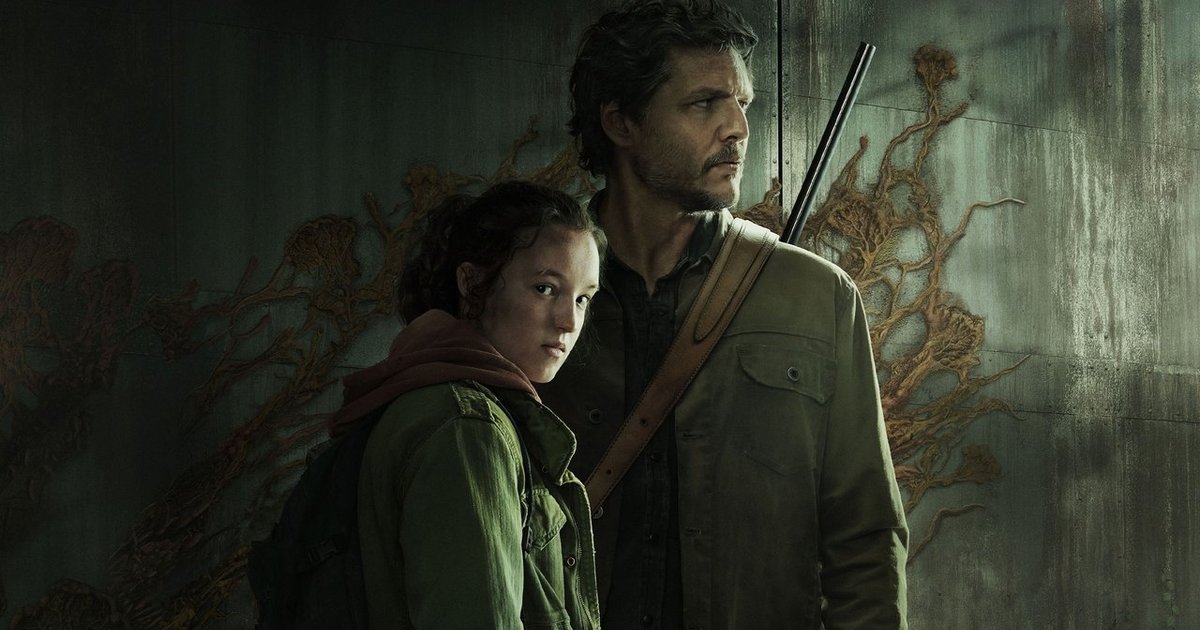 TV News The Last of Us Season 3 Is Set for 2027 and Is Planned as the Final Season HBO’s Casey Bloys says The Last of Us season 3 arrives in 2027 and that Craig Mazin has planned it as the final season. Filming is scheduled to wrap in November. Read the story →
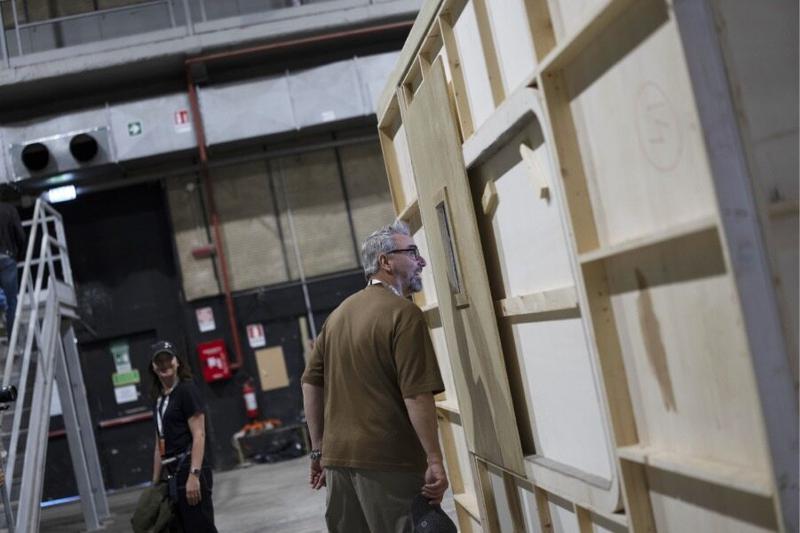 TV News Netflix’s Assassin’s Creed Series Reveals Behind-the-Scenes Set Photo as Filming Nears Its End Ubisoft has shared a behind-the-scenes photo from the Rome set of Netflix’s Assassin’s Creed series as production nears completion. Here is what the photo shows, what came before it and what is still unknown. Read the story →
Articles
More on Every Movie Plug
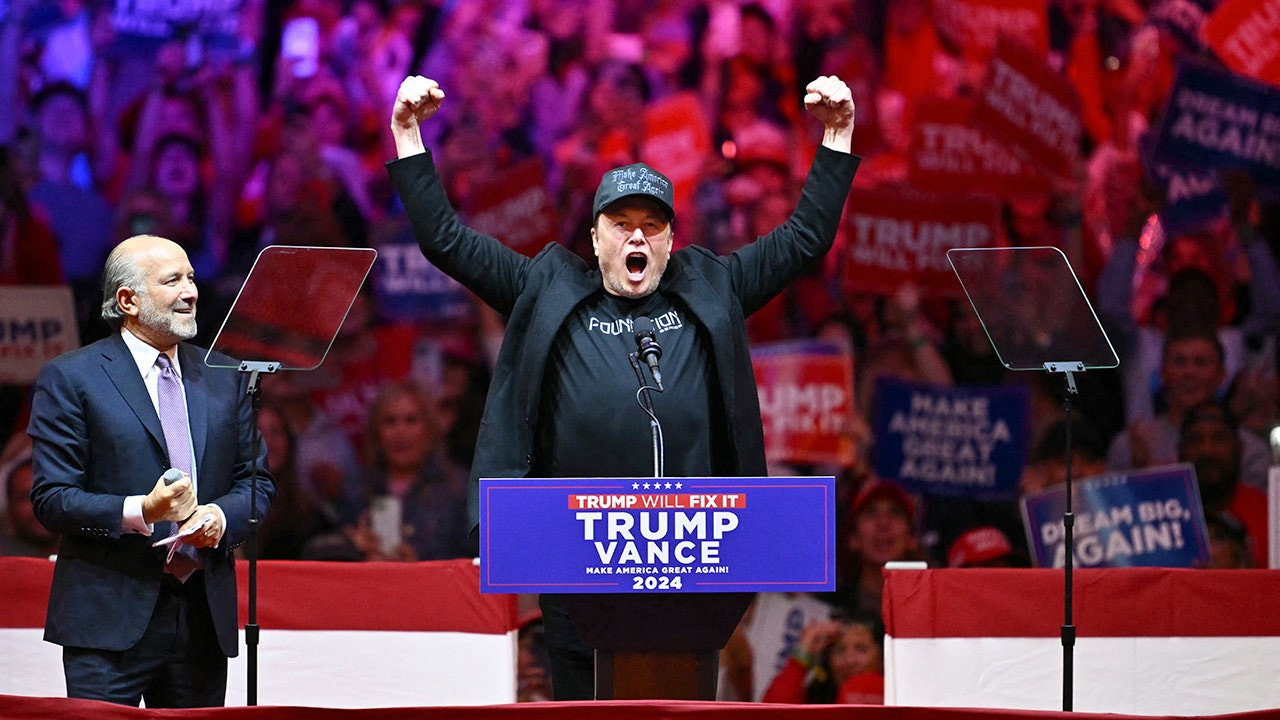 Reviews Musk Review: Alex Gibney’s Four-Hour Reckoning Is Gripping, Gruelling and Far From Neutral Our Musk (2026) review: Alex Gibney’s four-hour documentary on Elon Musk, its avatar device, critical reception, Musk’s response and where to watch. Read the article →
 Industry Analysis James Bond vs John Wick: Which Franchise Is Stronger Now? James Bond and John Wick compared: box office, stars, ownership, spin-offs and tone, as Robert Pattinson takes over 007 and Caine heads for 2027. Read the article →
 Reviews Redemption River Review: Surviving the Roller Coaster of Marriage When Outside Selfishness Strikes Our spoiler-marked Redemption River review: a faith-based survival thriller about grief, a fraying marriage and a rafting trip gone wrong. Rated 3.5/5. Read the article →