The most dangerous thing in Unstoppable is a shortcut.
Not a bomb. Not a mastermind with a grudge and a ransom note. A tired yard engineer named Dewey, running late, hops out of a crawling locomotive to throw a stubborn switch by hand, expecting to hop right back in. The train, as trains do, has other ideas. By the time he turns around it is moving, and it is not going to wait for him.
That is the whole setup. It took a little over a minute to establish on November 12, 2010, and it has been holding people in their seats ever since. Sixteen years later, we are going to ride it from the first mile to the last.
Mile 0: Somebody Has to Say It Out Loud
Here is the thing nobody tells you about a good disaster movie: the disaster is rarely the interesting part. What makes you grip the armrest is the moment before, when a normal person makes a normal decision and the audience, who know better, can do nothing but watch.
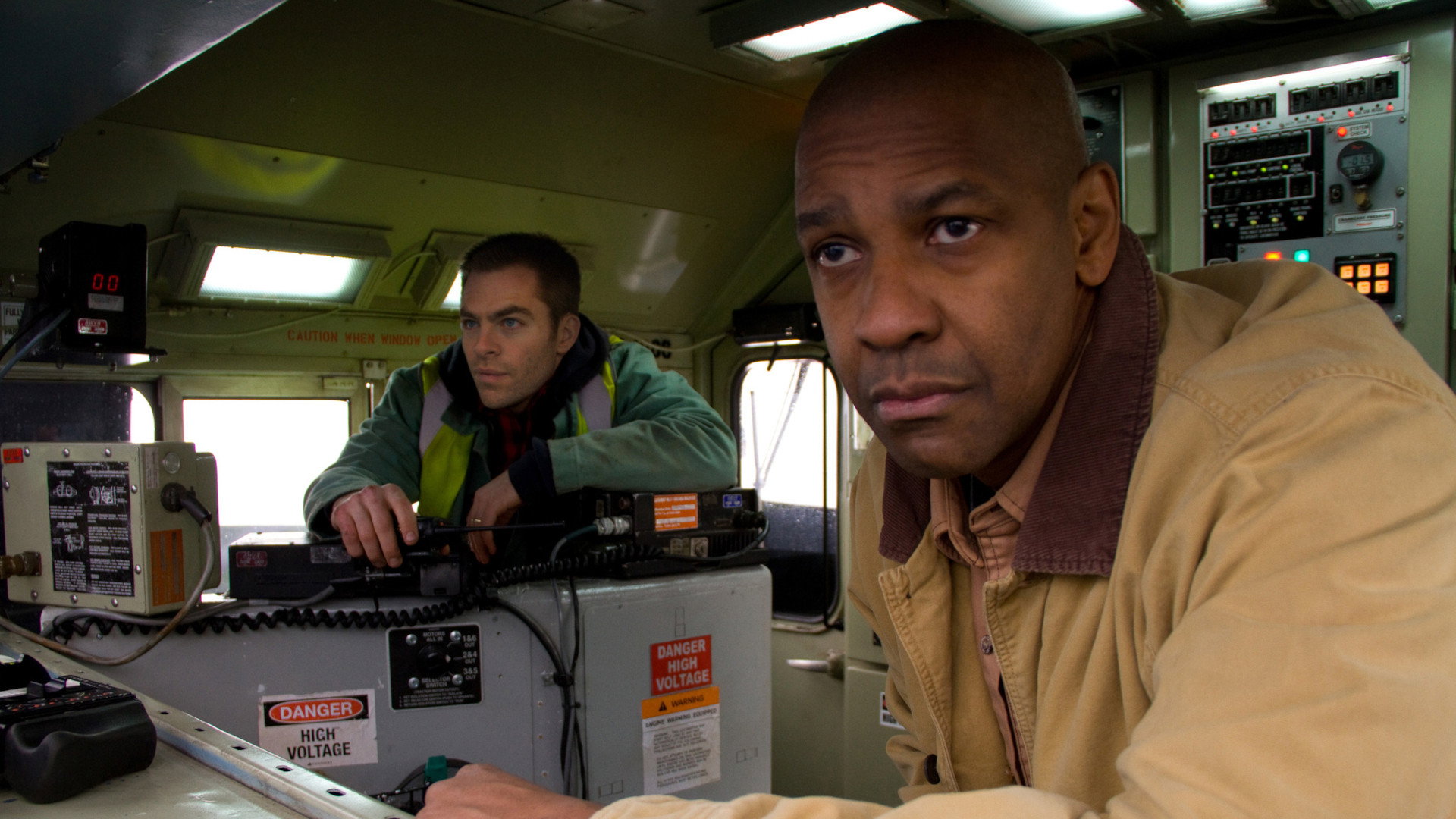
Unstoppable understands this better than almost any film of its decade. It does not rush to spectacle. It lets you meet the people first. There is Frank Barnes, played by Denzel Washington, an old-school engineer who has been handed a polite push toward retirement. There is Will Colson, played by Chris Pine, a young conductor with a short fuse, a complicated home life and a union crew that does not yet trust him. They are assigned to the same engine for a boring shift, and they dislike each other in the efficient, unspoken way of men who have not yet been through anything together.
Then the Triple Seven slips its leash, and the film pivots from a workplace drama to a footrace, with the two of them as the unlikeliest relay team in cinema.
Mile 12: A Newspaper Article, a Long Line of Directors
It is easy to forget that this movie spent years stuck in the yard. Producer Julie Yorn handed screenwriter Mark Bomback an article about a real runaway train back in 2004, and the project drifted through the studio system for the better part of a decade. Robert Schwentke was attached in 2005, when it carried the plain working title Runaway Train. Martin Campbell took over in 2007 and stayed until early 2009. Only when Tony Scott climbed aboard that March, with Denzel Washington and Chris Pine attached by April, did the thing finally gather steam.
It is fitting, somehow, that a film about a train that cannot be stopped nearly could not be started.
Scott, a man who loved research almost as much as he loved lenses, wanted to hear from the people who lived the real story. According to The Ringer’s anniversary oral history, he insisted on meeting railroaders Jess Knowlton and Terry Forson, who were involved in ending the actual 2001 incident. You can feel that appetite for texture in the final film. The jargon sounds right. The yards look worked in. The people sound like they have been doing this job for twenty years and are slightly annoyed that you asked.
Mile 24: Ohio Did It First
On May 15, 2001, a CSX train rolled out of Walbridge, Ohio, with nobody at the controls. Railroaders know the episode as Crazy Eights, after the lead locomotive, number 8888. It hauled 47 cars, some of them carrying hazardous chemicals, and ran for about 66 miles at speeds of up to 51 miles per hour before the crew caught it. A following locomotive finally ran it down, and one of the railroaders stepped across onto the moving machine to shut it off.
The movie keeps the bones and changes nearly everything else. Here is a quick look at how the real run compares with the fictional one:
| Ohio, 2001 | Pennsylvania, 2010 | |
|---|---|---|
| The locomotive | CSX 8888 | AWVR 777, “Triple Seven” |
| Where it slipped away | Walbridge, Ohio | Fuller Yard, Pennsylvania |
| The train | 47 cars | A half-mile-long mixed freight |
| The cargo | Hazardous chemicals on some cars | Toxic cargo, including molten phenol |
What Hollywood adds is the ticking clock. A curve above a populated town, a news helicopter overhead, and a company executive who keeps checking the stock price while everyone else checks the speed. The real thing was frightening. The movie makes it personal.
Mile 38: The Beast Has No Motive
Consider how rarely a big studio thriller lets itself go without a bad guy. We are trained to expect a face behind the chaos, someone to boo and someone to defeat. Unstoppable declines. Its closest thing to an antagonist is a boardroom reflex, a vice president called Galvin, played with irritating plausibility by Kevin Dunn, who would rather lose a train than lose a quarter.
And even he is not a villain. He is just wrong in the way that careful people sometimes are. If you enjoy a character who bends the plot without ever being a monster, our list of ten movie villains who had a point is a good companion. The difference is that Unstoppable does not even need the argument. Its threat has no opinions. It has mass, speed and a bad cargo, and that turns out to be scarier.
Rosario Dawson, meanwhile, quietly does some of the best work in the film as yardmaster Connie Hooper. She spends most of the picture in a control room with a headset and a map, a role that could be a plot device in lesser hands. Dawson plays her as the one person who never stops thinking about the people along the tracks. When she wins an argument, it feels like the film itself exhaling.
The train never speaks, never schemes and never blinks. That is exactly why it is so hard to look away from.
Mile 47: Tony Scott, Moving
If you wanted to design a director for this material, you would end up with Tony Scott. His cameras do not sit; they swing, circle, whip past and dive in. His skies are blown out in orange and steel blue. His cuts come fast, and fast again, and then, for contrast, slow. With another story, that style can feel like noise. Here it feels like weather.
And there is an odd gentleness underneath. For all the chaos, Scott spends real time on faces: Frank on the radio, Will checking his phone, Connie standing very still when the numbers turn. By the time the big set pieces arrive, you care about the people inside them, which is the whole trick.
This was Scott’s fifth collaboration with Denzel Washington after Crimson Tide, Man on Fire, Deja Vu and The Taking of Pelham 123, and it shows in the easy rhythm between them. It also turned out to be his last film. Scott died in August 2012, and Unstoppable now plays like a farewell written in his own handwriting: clean, fast, physical and deeply fond of people who know how to do their jobs. When Top Gun: Maverick arrived with a dedication to him, it felt like a reminder of how far his influence runs. Tributes of that kind, like the ones gathered in our report on Hollywood remembering Sir Patrick Stewart, say a lot about what an artist leaves in other people’s work.

Mile 55: Real Steel, Real Risk
The production headquartered itself in Pittsburgh and began principal photography on August 31, 2009. From there it spread across western Pennsylvania and eastern Ohio, to places like Bellaire, Steubenville, Brewster, Tyrone and Emporium. It is reported to be the most expensive film ever shot in Western Pennsylvania, and the money is visible: real locomotives borrowed from Canadian Pacific, Wheeling and Lake Erie and the Southwest Pennsylvania Railroad, real viaducts and real rural track.
It was not a gentle shoot. On November 21, 2009, part of the train accidentally derailed, costing the production a day. Scott told Entertainment Weekly at the time that this was the most dangerous film he had ever made, which, coming from a man who once hung cameras off fighter jets, is quite a statement. You can see why in the stunt work. When someone makes the leap between two moving engines, there is no digital cushion in your head telling you it is safe. The body language is genuinely afraid, and so are you.
Listen, too, because the sound design earned the film an Oscar nomination for Sound Editing. The groan of couplers, the scream of steel on steel and the thudding diesel heartbeat are a score all their own, with Harry Gregson-Williams’ music tucked underneath. This is a movie you feel in your ribs.
Mile 62: The Move That Makes the Movie
Light spoilers ahead.
Every attempt to stop the runaway fails in ways that grow more expensive and more embarrassing. Roadblocks, a derailment plan and a helicopter rescue all unravel. So Frank and Will do what the film has been quietly preparing them to do: they stop running from the problem and chase it. They put their own engine in reverse, catch the runaway from behind and try to couple to it, slowing it from the rear, with one of them making a brave and frightening jump along the way.
It works because it is the ideal expression of their partnership. Frank has the knowledge. Will has the legs and the nerve. Neither could do it alone, and the film earns the idea honestly, scene by scene, until the plan feels less like a Hollywood miracle and more like what a smart, scared professional might actually try. If you want another study in how a final stretch should land, take a look at our explainer on the ending of The Graduate, which pulls off a very different kind of landing.

Mile 66: The Ticket Window
Money, then. Unstoppable opened with about $22.7 million in the United States and Canada, a respectable rather than roaring start, and then did what good word of mouth does: it stayed. The film played in American theaters for 17 weeks, finishing with roughly $81.6 million domestically and $167.8 million worldwide against a budget reported at somewhere between $85 million and $100 million.
That is not a headline-grabbing record. It is better in a way: the slow, steady proof that a clean idea travels. Plenty of films burn bright in their first weekend and vanish. This one just kept rolling. For a different flavor of box-office story, our report on how Godzilla Minus Zero broke a 24-year-old record in Japan shows what happens when a disaster movie catches a national mood.
Critics were generally positive, and the praise clustered around the same things you will notice yourself: the pace, the practical stunts and the two leads. The complaints, mostly about the family subplots and a few convenient coincidences, were fair too. At 98 minutes, though, the film hardly leaves time to dwell on them. It is the kind of lean running time that modern blockbusters have mostly forgotten how to respect.
Mile 66 and a Little Bit: Why It Still Pulls Into the Station
Here is what is striking in 2026. We live in an age of franchise architecture, with interlocking universes, post-credit teases and release calendars that read like military campaigns. If you want to see how crowded the next big weekend has become, our Dunesday Survival Guide maps it out. Against that backdrop, Unstoppable looks almost shockingly modest. It has one problem, two heroes and one afternoon.
And yet it is not small. It is a film about competence, which is a rarer fantasy than any superpower. Nobody here is chosen, enhanced or secretly royal. They are workers who know their machines and who, when the worst day of their lives arrives, simply do the job in front of them a little braver than usual. There is something deeply comforting about that, and something quietly moving.
If you have not seen it in a while, find a big screen, or a good sound system at the very least, and put the phone in another room. It is short enough to fit in an evening and tight enough that you will not check the time. And if you want to go deeper, read about the real Crazy Eights run afterward. The true story, as usual, is stranger and quieter, and it makes the movie better.
End of the Line
Some films ask to be admired. Unstoppable only asks to be ridden. It took a true story from an Ohio rail yard, added two stars at ease with one another and handed the whole thing to a director who knew exactly how to make steel look alive. Tony Scott never got to make another one, and somehow that makes this last run feel even cleaner. It starts with a shortcut. It ends with a salute. Everything in between is a straight line drawn at fifty miles an hour.
News
More on Every Movie Plug
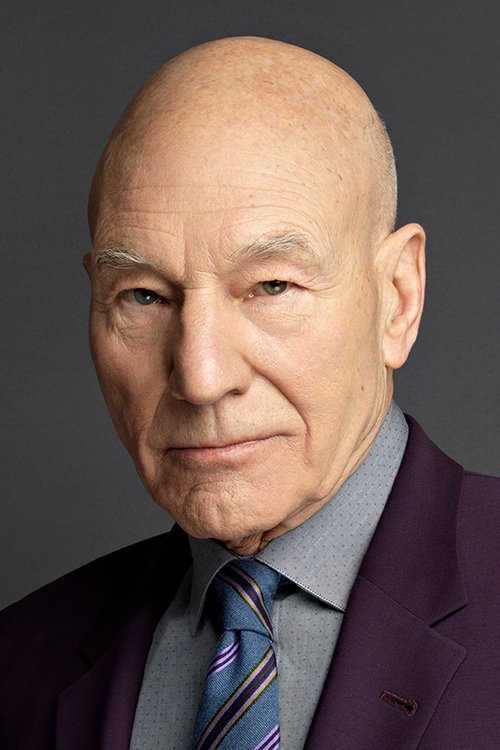 Film News Hollywood Remembers Sir Patrick Stewart: Tributes From Marvel, Star Trek and Co-Stars Sir Patrick Stewart has died at 86. Marvel Studios, the Star Trek family, Hugh Jackman, Seth MacFarlane and the Royal Shakespeare Company are among those paying tribute. Read the story →
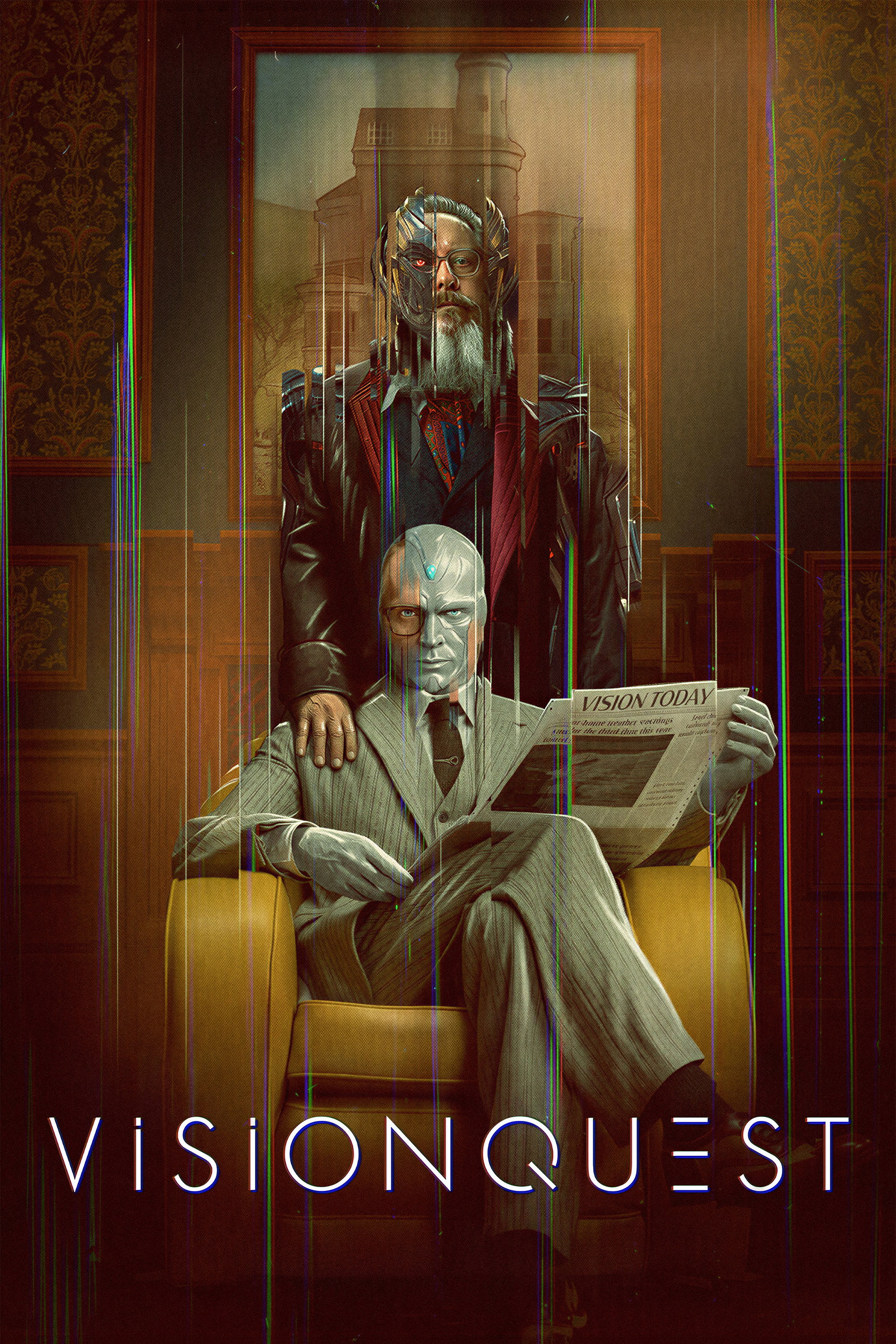 TV News Marvel Studios Posts a Cryptic Binary Message on X Before the VisionQuest Finale: What It Says and What It Means Marvel Studios posted a message in binary code on X before the VisionQuest finale. Here is what it says, where the line comes from and what fans expect next. Read the story →
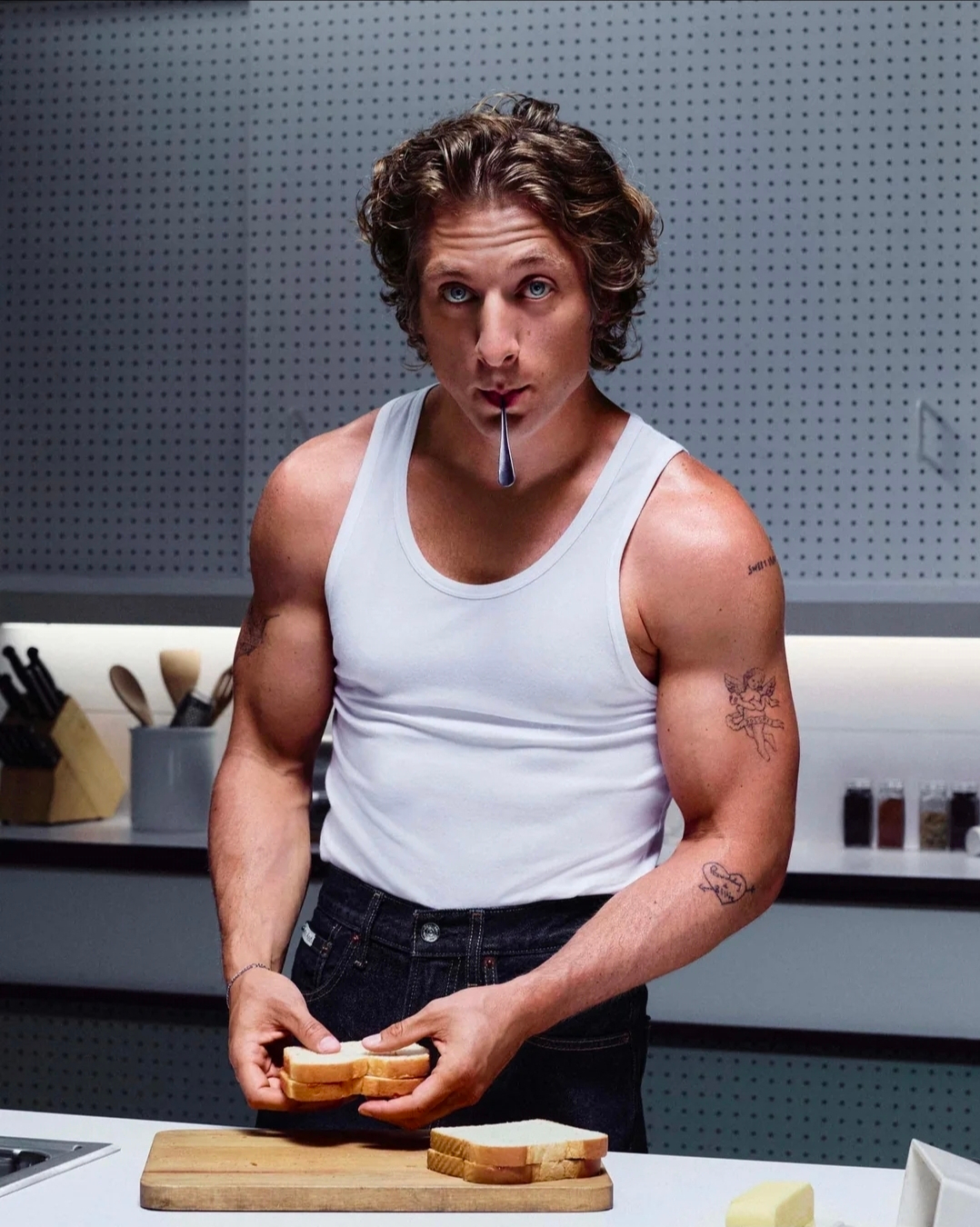 Casting News Jeremy Allen White: The Next Wolverine? Jeff Sneider reports Jeremy Allen White has met with Marvel about a role in the X-Men reboot. Marvel has not confirmed a Wolverine casting. Read the story →
Articles
 Article The Ending of The Graduate Explained The ending of The Graduate explained: the church chase, the bus ride, the fading smiles and what Mike Nichols, Dustin Hoffman and Katharine Ross said about it. Read the story →
 Article When Movie Villains Were Right: 10 Antagonists Who Had a Point Ten movie villains who lost on screen but won part of the argument, from Killmonger and Magneto to Thanos and Roy Batty. Read the story →
 Article Dunesday Survival Guide: How to Watch Dune: Part Three and Avengers: Doomsday, and Which to See First Dune: Part Three and Avengers: Doomsday both open December 18, 2026. Runtimes, IMAX and premium formats, tickets, and which film to watch first. Read the story →
 Filmmaking Guide How to Film, Direct and Produce Your Own Movie: A Complete Guide for First-Time Filmmakers A step-by-step guide to making your own movie: script, budget, casting, camera, lighting, sound, directing, editing and release, with diagrams for every stage. Read the article →