By the Monday after Thanksgiving in 2014, the arithmetic was already in. Penguins of Madagascar had collected about $36 million over the five-day holiday frame, roughly $11 million short of what box office analysts had predicted and below even the low-$40 million range Fox’s own distribution team had been telling reporters to expect. “We certainly underperformed our own tracking,” Fox’s domestic distribution chief, Chris Aronson, told Reuters. It was an unusually candid sentence for a studio executive, and it hung over the film for years.
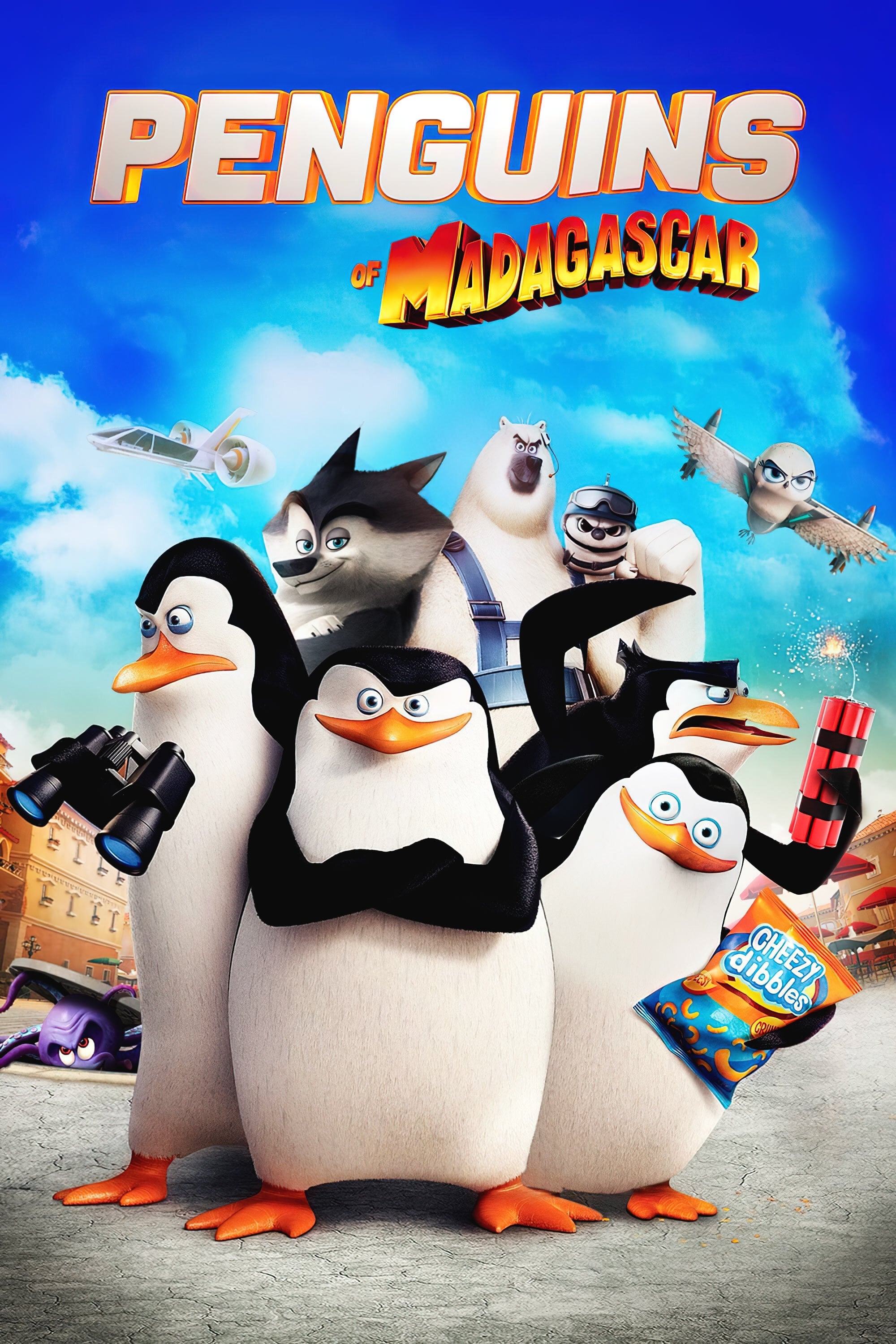
What it did not capture was the movie itself: a fast, deadpan, surprisingly well-built animated spy comedy that critics were broadly warm toward, that went on to earn roughly $373 million worldwide, and that is still better remembered by the children who watched it than by the analysts who wrote it off. Twelve years on, on the anniversary of its release, the story of Penguins of Madagascar is really two stories. One is about a few flightless birds who were too funny to stay in the background. The other is about a studio that put a $132 million bet on them at the worst possible moment.
2005: Four Birds Steal a Movie
The penguins were never supposed to be the point. In the first Madagascar, released in 2005, Skipper, Kowalski, Rico and Private were background texture at the Central Park Zoo, a militarized cell of flightless commandos plotting an escape to Antarctica while the film’s lion, zebra, giraffe and hippo sorted out their own problems. Audiences noticed them anyway. They returned in both sequels with more screen time each round, and a Nickelodeon series that began in 2008 gave them a world of their own.
The voice of their leader is a small piece of animation history. Tom McGrath, who co-directed the first three Madagascar films, recorded Skipper as a temporary placeholder, expecting a proper actor to replace him. It never happened: by McGrath’s account, people simply got used to hearing his voice, and DreamWorks chief Jeffrey Katzenberg settled the matter by telling him the part was his. Skipper’s flat, clipped, perpetually unflappable delivery became the template for the whole ensemble.
“You got the part, kid.”
By the time DreamWorks announced a feature in March 2011, the studio had a rare thing on its hands: a supporting cast with a following. The film would be a standalone story, directed by Simon J. Smith, who had co-directed Bee Movie, and Darnell, the veteran of the main films, eventually shared the director’s chair. The first screenwriters, Alan Schoolcraft and Brent Simons, who had written Megamind, were later joined by a new team of comedy writers, Michael Colton and John Aboud, and the tone shifted accordingly. Benedict Cumberbatch and John Malkovich signed on in August 2013, and by the time the film reached San Diego Comic-Con in 2014 the cast on stage was more prestigious than almost any animated spinoff had a right to expect.
The Movie Itself: A Bond Film Made of Feathers
Penguins of Madagascar opens in a place few family films would dare: a nature documentary. Werner Herzog, the German filmmaker whose own Antarctic documentary, Encounters at the End of the World, had famously fixated on the oddities of penguin behavior, narrates the first scenes in his unmistakable voice, musing on the way humans project their own fantasies onto penguins. It is a joke built for adults, and it sets the contract for the rest of the film: the movie will talk to the parents over the heads of the children, and it will do so with a straight face.
From there the plot becomes a spy caper. After a prologue that sends the penguins from Antarctica to Venice, they find themselves pursued by Dave, an octopus disguised as a mad scientist named Dr. Octavius Brine, who is furious that penguins have always stolen the spotlight from lesser zoo attractions. His scheme involves a ray designed to turn the world’s penguins into monsters. Opposing him is the North Wind, an interspecies intelligence agency led by Agent Classified, a wolf voiced by Cumberbatch, with a seal named Short Fuse (Ken Jeong), a snowy owl named Eva (Annet Mahendru) and a polar bear, Corporal (Peter Stormare), rounding out the team. The action ping-pongs between Venice, Shanghai and New York.
The joke at the center of the film is that Skipper’s team and the North Wind represent two versions of the same fantasy of competence. Skipper believes in improvisation, loyalty and bluff. Classified believes in gadgets, briefings and a very good haircut. The film is at its best when the two philosophies collide, and it is one of the few animated comedies to understand that a parody works better when its target is played earnestly. Cumberbatch has said his performance was a deliberate send-up of “the whole Bond pastiche,” and he commits to it with the same grave certainty he brings to his live-action roles.
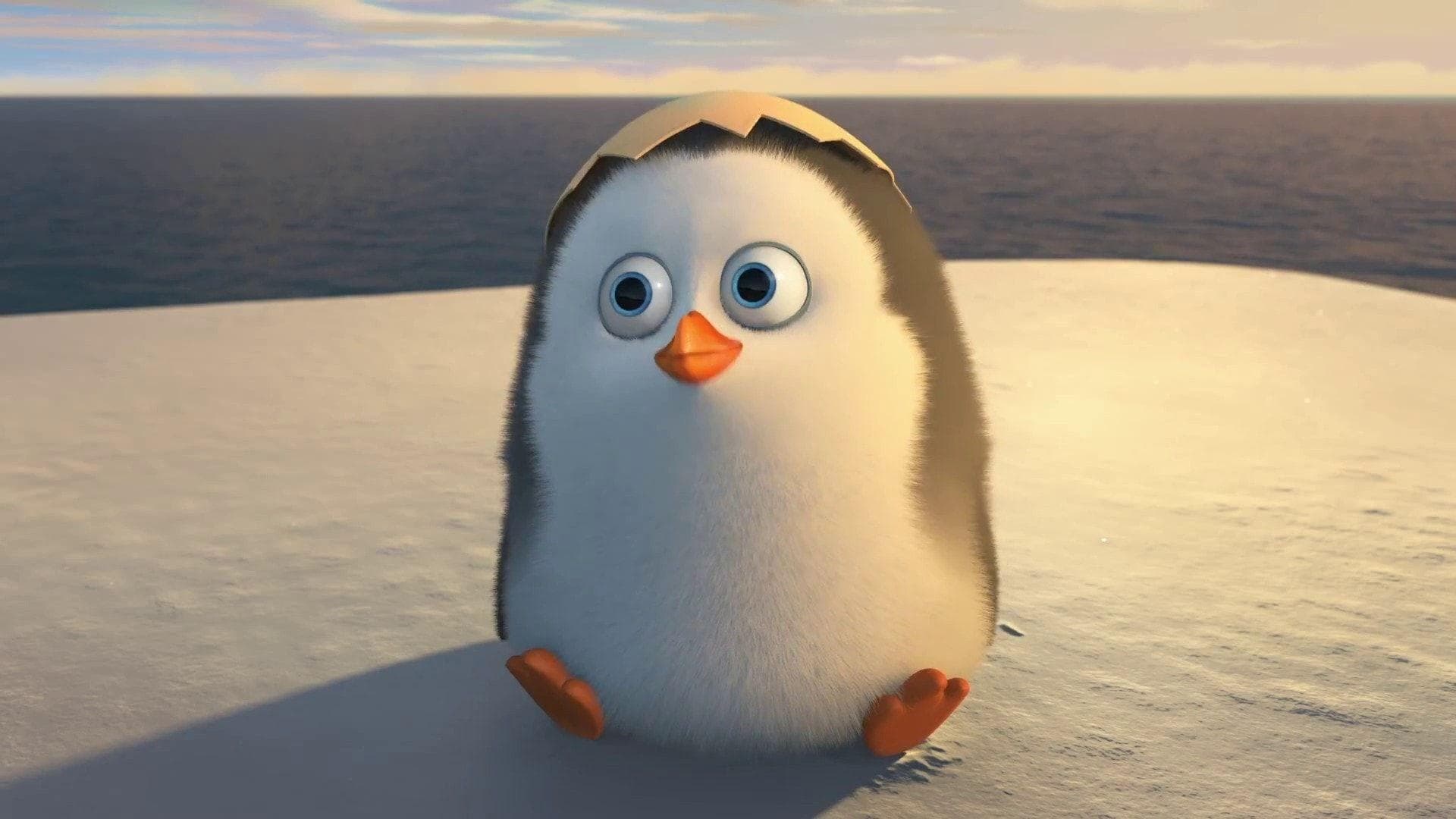
That joke has aged in an interesting way. This month Amazon MGM named Robert Pattinson as the next James Bond with Denis Villeneuve directing, a decision that arrives with enormous pressure to find a fresh tone after the Daniel Craig era of gravity and grief. Parody tends to flourish when the thing it imitates is at its most solemn, and it is easy to see why a gadget-obsessed wolf with a perfect jawline made sense in 2014, when Bond was deep in that serious phase. Our comparison of James Bond and John Wick explores how both series have wrestled with the same question of how seriously a spy franchise should take itself.
The supporting ensemble is deep. Malkovich, whose slow, precise diction suits a shape-shifting octopus with a grudge, is given a villain whose pettiness is the whole point. King Julien appears in a cameo with a new voice, Danny Jacobs, after Sacha Baron Cohen did not return. Billy Eichner has a bit part as a New York reporter. Lorne Balfe’s score supplies the spy-thriller pulse. Reviewers split on whether the plot had enough heft to carry feature length, but even the ones who found it slight tended to single out the Herzog prologue and the voice work as the film’s real pleasures.
Wednesday, November 26, 2014
The release date was not the original plan. Penguins of Madagascar had been scheduled for March 27, 2015, and DreamWorks swapped it with another film, Home, to move the penguins into the Thanksgiving window. On paper the logic was sound. Family films have thrived over the holiday for decades, and DreamWorks needed revenue before year’s end after a rough run that included Rise of the Guardians and Mr. Peabody & Sherman. In practice, the penguins were walking into a crowded week.
Disney’s Big Hero 6 was in its fourth weekend and still earning $26 million. The Hunger Games: Mockingjay, Part 1 dropped 53 percent in its second weekend and still took $57 million. Horrible Bosses 2 opened the same day. Fox, which distributed the film, had expected to pace somewhere in the low $40 millions. Instead it landed at $36 million over five days, only a few million better than the $32.3 million that Rise of the Guardians, itself a studio disappointment, had managed over the same holiday two years earlier. On a film this expensive, that translated to trouble.
| Figure | What it meant |
|---|---|
| $132 million | Production budget, financed by DreamWorks Animation |
| About $36 million | Five-day Thanksgiving opening in the U.S. |
| About $47 million | Analyst forecast before release |
| About $84 million | Final U.S. gross |
| About $290 million | Overseas gross |
| About $373 million | Worldwide total |
| $57.1 million | Impairment charge, taken mostly for Penguins and Mr. Peabody & Sherman |
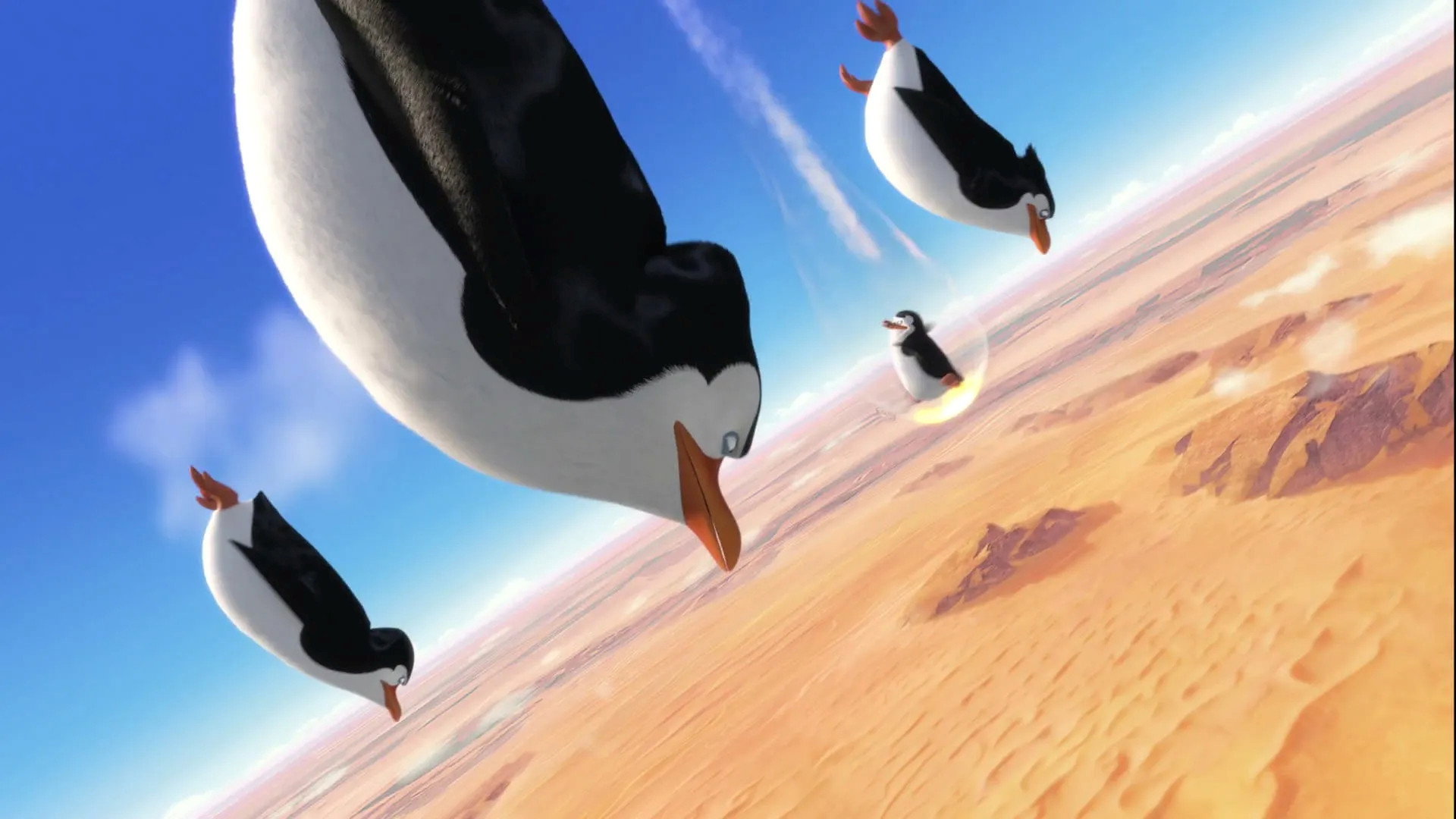
The pattern is familiar from this week’s own box office. Lionsgate’s Sunrise on the Reaping took $56 million on its opening Friday and is tracking for the studio’s first $100 million launch since 2015, The same franchise topped the Thanksgiving chart in 2014, when it was Mockingjay, Part 1 that kept the penguins out of first place. A year later, a modest boxing film called Creed would open on the Wednesday before Thanksgiving and prove that a Thanksgiving gamble could pay off, as our piece on Creed at 11 details. The holiday frame rewards the film that audiences have decided they want, and in 2014 they had not decided on the penguins.
January 2015: The Bill Arrives
The consequences came quickly, because they had been building for years. On January 22, 2015, DreamWorks Animation announced a restructuring that would cut roughly 500 jobs, close its Northern California studio, PDI/DreamWorks, and reduce its output to two films a year. It took a $210 million pre-tax charge for the changes. A month later, the company reported a fourth-quarter impairment of $57.1 million, tied primarily to Penguins and Mr. Peabody & Sherman. Katzenberg described 2015 as a reset year.
The numbers behind the label are worth reading carefully. By February 2015 Penguins of Madagascar had earned $358 million worldwide, an amount that looks healthy until you factor in the marketing spend and the share of ticket revenue that goes to theaters. The Hollywood Reporter noted that it was not enough to turn a profit. A film can gross more than $370 million and still lose money when the budget starts at $132 million and the opening misses its forecast by nearly a quarter. Few terms in Hollywood are as imprecise as the word flop, and Penguins is a case study in how it gets applied.
Home, which took the March 2015 date the penguins left behind, went on to gross well above $380 million worldwide, a reminder that the date swap was not a verdict on the studio’s talent so much as on its timing. A year later, Comcast’s NBCUniversal acquired the company, folding DreamWorks Animation into the group that also owns Illumination. Whether a more patient release plan would have changed that outcome is a question analysts still argue about.
DreamWorks was founded in 1994 by Steven Spielberg, Katzenberg and David Geffen as a home for filmmakers, and its animation arm was spun off a decade later. Spielberg appeared at MoMA this month, and spent his speech crediting everyone else rather than himself, a reminder that large creative companies are made of collaborators. The Penguins story is partly a story about what happens when a collaborative studio is asked to make every bet pay off immediately.
The Craft Under the Comedy
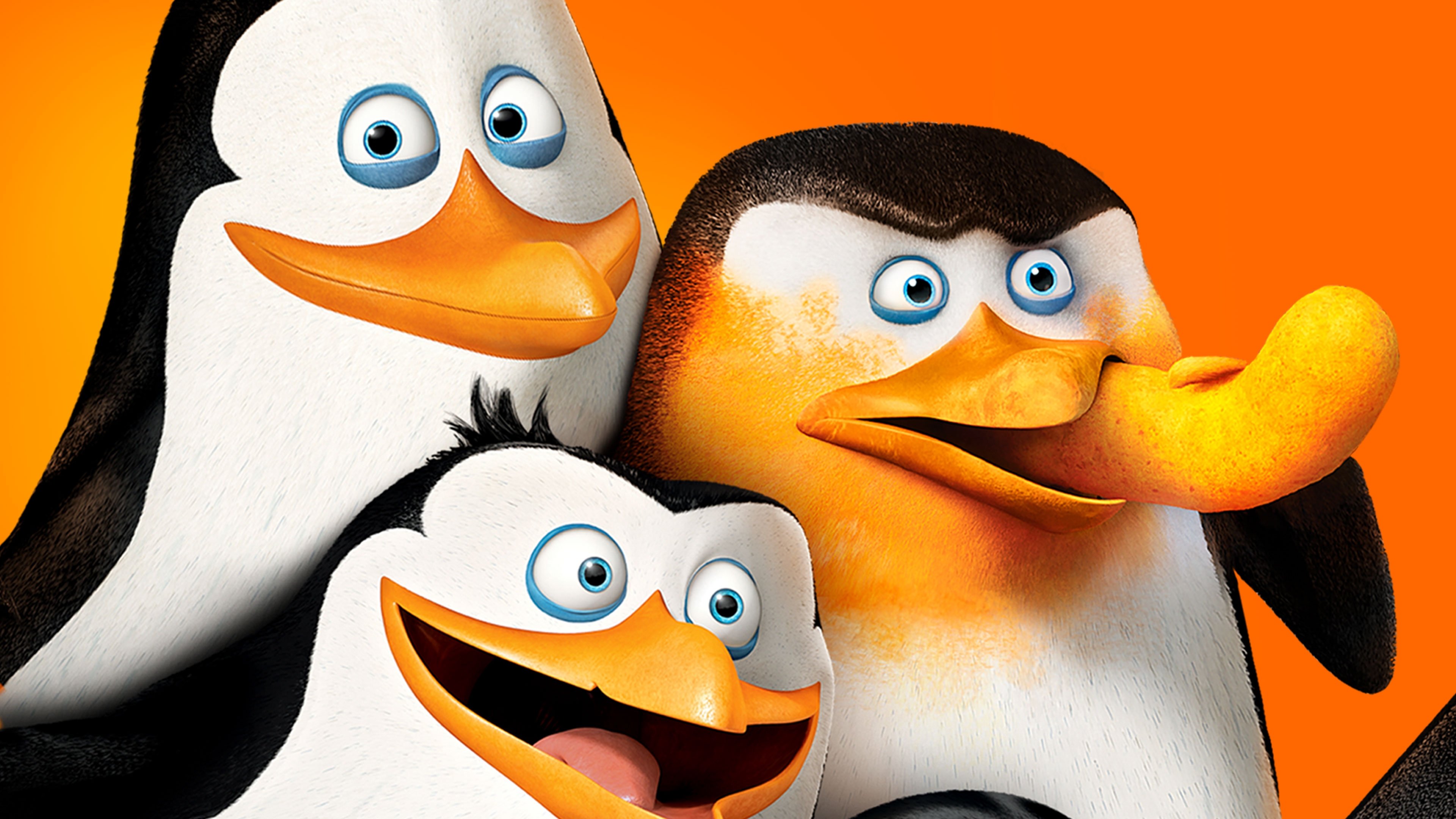
It is worth separating the commercial story from the filmmaking, because the latter holds up better than the former. Darnell and Smith keep the pacing close to a screwball comedy, with gags landing every few seconds, and the globe-hopping structure, from Antarctica to Venice, Shanghai and New York, borrows as much from heist and spy movies as from other animated films. Critics who found the plot slight still tended to concede that the jokes arrived at a relentless rate, which is a harder trick than it looks.
The casting supports that rhythm. The North Wind members are drawn as specialist types, the swaggering leader, the explosives expert, the brawny enforcer, and each gets a distinct comic voice before the plot forces them to cooperate with Skipper’s improvisers. Skipper’s team, by contrast, is built on the idea that four small birds can muddle through anything by sheer confidence. That contrast between polish and bluster is the movie’s engine, and it keeps the jokes from feeling like a collection of sketches.
Perhaps the most underrated choice is how little the film leans on sentiment. Considering how many animated sequels reach for a heartfelt finale, there is something refreshing about a picture that trusts its heroes’ friendship as a given and moves on to the next joke.

Since: A Quieter Second Life
The film’s reputation has softened with time, helped by streaming and by the fact that the children who saw it are now old enough to be nostalgic about it. DreamWorks revived the first Madagascar in theaters in January 2026 for its twentieth anniversary, and the trilogy and its spinoff have moved between streaming homes since, so check current listings before you plan a watch. The franchise has not produced a new mainline film since 2012. A fourth film was reported to be planned for 2018 and quietly came off the schedule around the time of the restructuring, and we have found no official announcement of a replacement.
Update (Nov 26, 2026): DreamWorks has not officially announced a Madagascar 4. The penguins’ last feature remains the 2014 film, and the first Madagascar returned to U.S. theaters on January 16, 2026, for its 20th anniversary.
There is something fitting about that. The Penguins movie was built on the premise that the least important characters might be the most memorable, and the franchise has spent the years since proving it. The film has outlived its disappointing opening, and the penguins have outlived the film.
What the Penguins Understood
The deepest joke of Penguins of Madagascar is that its heroes are completely sure of themselves for no good reason. They are four birds with no wings, no weapons and no backup plan, and they approach every crisis as if the world had been arranged for their convenience. It is a comic fantasy about confidence, and it is why the movie works better than its box office suggests.
A film does not have to be a hit to be good, and it does not have to be good to be loved. Penguins of Madagascar was something rarer than either: a movie made by people who were clearly enjoying themselves, released into a market that was not ready to enjoy it back. If you have not seen it since 2014, it holds up better than you remember, and the Herzog prologue alone justifies the revisit.
- Reuters via Malay Mail: Penguins of Madagascar opens under expectations over Thanksgiving weekend
- Box Office Mojo: Weekend Report, Hunger Games devours undercooked franchise titles over Thanksgiving
- Box Office Mojo: Franchise, Madagascar
- The Hollywood Reporter: DreamWorks Animation takes $57M write-down
- Animation World Network: DreamWorks Animation reports $263.2 million loss
- Box Office Flops: Penguins of Madagascar
- Animation Magazine: Penguins opening ruffles investors’ feathers
- Michigan Public: Madagascar director polishes his penguin voice
- RogerEbert.com: Penguins of Madagascar review
- The Hollywood Reporter: Penguins of Madagascar review
- PopMatters: The Penguins of Madagascar is terminally cute and cuddly
- /Film: Penguins of Madagascar footage recap and panel highlights, Comic-Con 2014
- Animation Magazine: Penguins of Madagascar production notes
- ComingSoon.net: DreamWorks rereleasing Madagascar for its 20th anniversary
- Wikipedia: Penguins of Madagascar
- Image credit: DreamWorks Animation and Twentieth Century Fox, via TMDB
News
Latest on Every Movie Plug
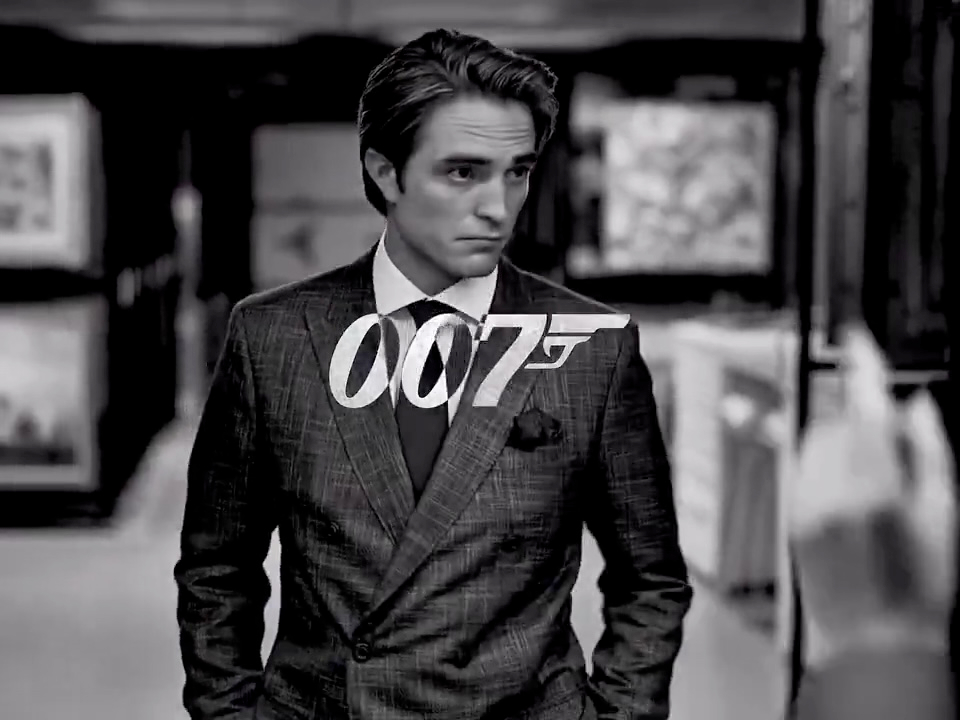 Film News Robert Pattinson Is the New James Bond, Amazon MGM Announces Amazon MGM Studios has named Robert Pattinson as the next James Bond, with Denis Villeneuve directing. What was announced, what it means and what is still unknown. Read the story →
 Box Office News Sunrise on the Reaping Box Office: $56M Friday, $120M Eyed The Hunger Games: Sunrise on the Reaping earned $56M on opening day and is tracking for about $120M, Lionsgate’s first $100M launch since 2015. Read the story →
 Entertainment Spielberg, Honored at MoMA, Says He Has Never Stood Alone on a Set Steven Spielberg was honored at MoMA’s 18th Film Benefit with Tom Cruise, Martin Scorsese and Bruce Springsteen, and spent his speech crediting everyone else. Read the story →
Articles
Latest on Every Movie Plug
 Today In Cinema Creed (2015) at 11: How Ryan Coogler Reinvented Rocky Creed opened November 25, 2015. How Coogler’s Rocky spinoff landed a one-take fight, a Thanksgiving gamble and an Oscar season that said a lot. Read the article →
 Today In Cinema Today in Cinema, November 23: The Muppets at 15 The Muppets opened November 23, 2011. How a franchise nobody was asking for won an Oscar, split its own veterans and changed what a comeback looks like. Read the article →
 Industry Analysis James Bond vs John Wick: Which Franchise Is Stronger Now? James Bond and John Wick compared: box office, stars, ownership, spin-offs and tone, as Robert Pattinson takes over 007 and Caine heads for 2027. Read the article →