Some shows you watch. A few you survive, and the very best of them leave you checking the rest of your life for loose threads. Almost nine years after it arrived on Netflix as the service’s first German original, Dark still belongs in that second group, and going back to it this month, I found it had lost none of its nerve.
I would rather be plain about my position than circle it: I think Dark is the finest thing Netflix has ever put its name on. Not the costliest, not the most watched, the finest. I came to that view slowly, the way you come round to a difficult friend, and every return visit has only made it harder to argue with.

It also lands differently in 2026. This has been a year of streaming dramas that politely assume I am glancing at a second screen, and against that backdrop a series that demands a pen, a pause button and your full attention feels almost radical.
A note before we go in: I keep the first season’s secrets and talk around the later ones, but I do discuss the overall shape of the finale. The series also opens with a suicide and builds around the disappearance of children, so it is a heavy watch in more ways than one.
A Town With a Hole in It
Winden is not a place you would choose to live. It is a small German town squatting in the shadow of a nuclear power plant, ringed by dripping forest, with a cave system under it that the locals have learned not to talk about. The first episode is titled “Secrets,” which is a little like calling a shark film “Water.” Within an hour, a family is grieving, a boy has gone missing, and the town’s adults are lying to one another with the practised ease of people who have been doing it for decades.
That patience is the first thing I notice on a rewatch. Baran bo Odar directed every episode, and Jantje Friese, who created the show with him and shaped its scripts, understood that a mystery this tangled needs a floor of ordinary human behaviour to stand on. Before anyone travels anywhere, we get marriages gone quiet, a teenager just back from a clinic, a policeman who cannot say what he knows. The time travel arrives as an intrusion into lives we already care about, never as a gimmick in search of characters.
It is worth remembering how unlikely this all was. Netflix first announced a German-made original in the mid-2010s, and Dark became one of its most-watched shows in a language other than English, which in turn led to the streamer signing its first European overall deal with the creators. A bleak, subtitled puzzle box made in Germany helped redraw what the platform thought global audiences wanted.
The Puzzle With a Pulse
Plenty of series have tried to put time travel on television. Very few have kept faith with their own rules, and that, more than any single twist, is what separates Dark from its imitators. The cycle that drives it runs in thirty-three-year loops, so that 1953, 1986 and 2019 become mirrors held up to each other, and the show returns to that arithmetic again and again without ever letting it go slack.
What I admire is how the machinery is wired to feeling. Every paradox is also a wound. A character who steps back into the past to fix something is never solving a riddle; they are refusing to accept a loss. The audience homework that made the series famous, the family trees people printed out and pinned above their desks, was never really about keeping score. It was a way of learning how much of one family’s grief was inherited from the one before it.
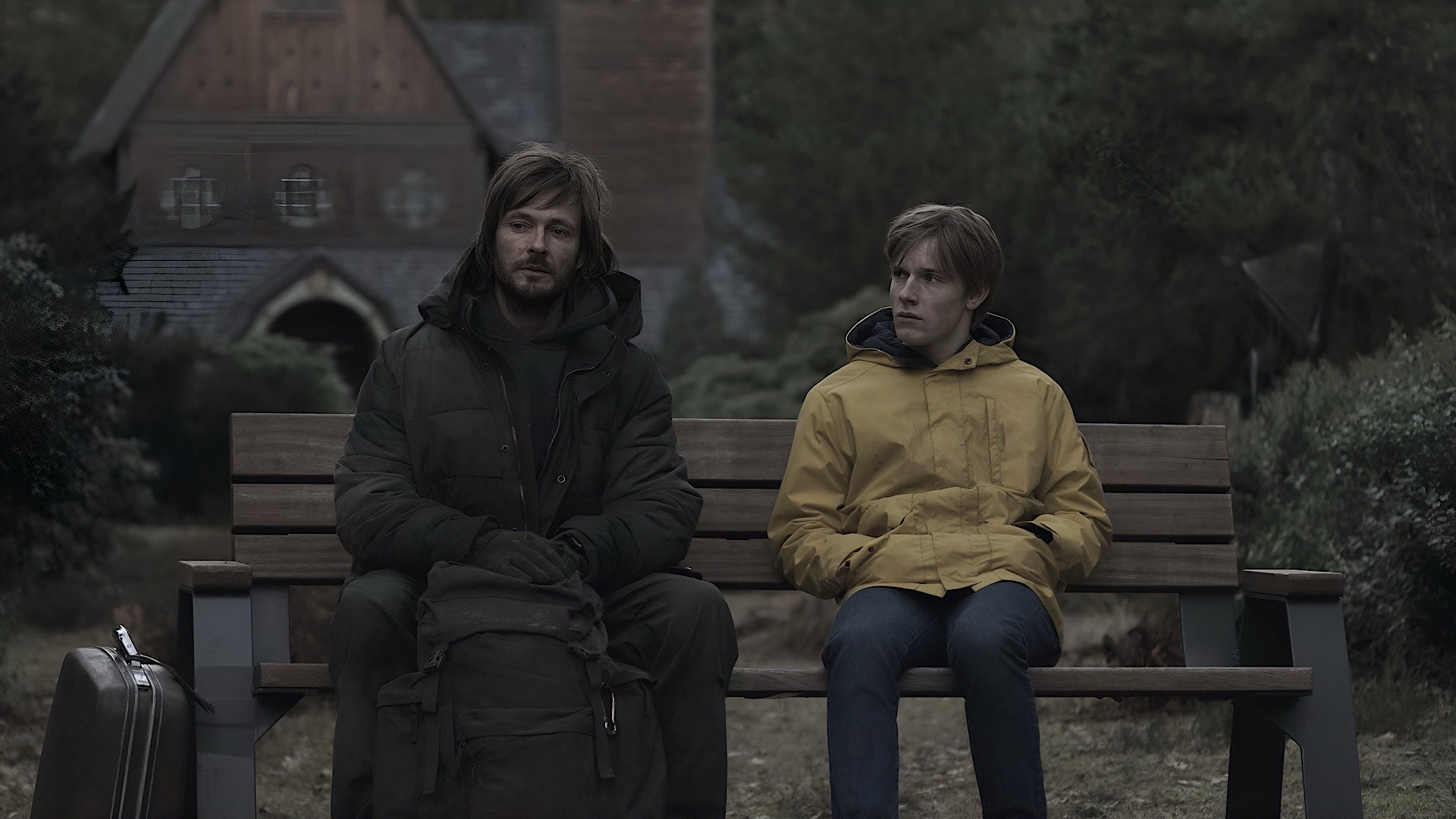
The show is also generous with its repetition. A recurring triple-looped symbol, a yellow raincoat, a handful of objects that pass from hand to hand across the decades: these motifs work like refrains in a piece of music, so that the sixth time something reappears I feel a small jolt of recognition, and the twentieth time I feel a pang. It is a very economical way of making a puzzle emotional.
There is a discipline here that I wish more writers would borrow. Information is withheld, but never cheated. When a reveal arrives, I can usually trace it back through episodes I had already watched and see that it was sitting in plain view the whole time. That is the difference between a mystery that respects you and one that merely outwaits you.
“The paradoxes are the cleverness. The grief is the show.”
Faces That Age Across Decades
A time-travel story lives or dies on casting, because the same person has to be believable at twelve, at thirty-five and at sixty-six, and the audience has to recognise them from across the room. Dark pulls this off with an uncanny frequency. I lost count of the moments I understood who someone was before a single line confirmed it, simply from a tilt of the head or the way a hand went to a collar.
The younger performers deserve their own paragraph. The show hangs on teenagers carrying adult-sized dread, and none of them condescends to it. They play fear, longing and first love with a seriousness that makes the later, older versions of the same characters feel like the natural consequence of what we watched them go through, not a costume change.
Louis Hofmann carries the series on a face that always looks one apology away from tears, and his Jonas is a study in how a person hardens without ever quite stopping being a child. Lisa Vicari matches him with a stubbornness that never tips into the cartoonish. Oliver Masucci is superb as a policeman unravelling under the weight of what he suspects, while Jördis Triebel, Karoline Eichhorn and Maja Schöne give the show’s adult women the kind of interior life that bigger-budget dramas routinely forget to write.
It is also a series that understands how rarely people tell each other the truth. A marriage in Dark is often a long, polite standoff, two people reading each other’s silence as distance. If that sounds familiar, it is the same ache at the heart of our Redemption River review, which turns on how easily two people who are hurting can mistake silence for indifference.

@endgallery
Rain, Concrete and Ben Frost
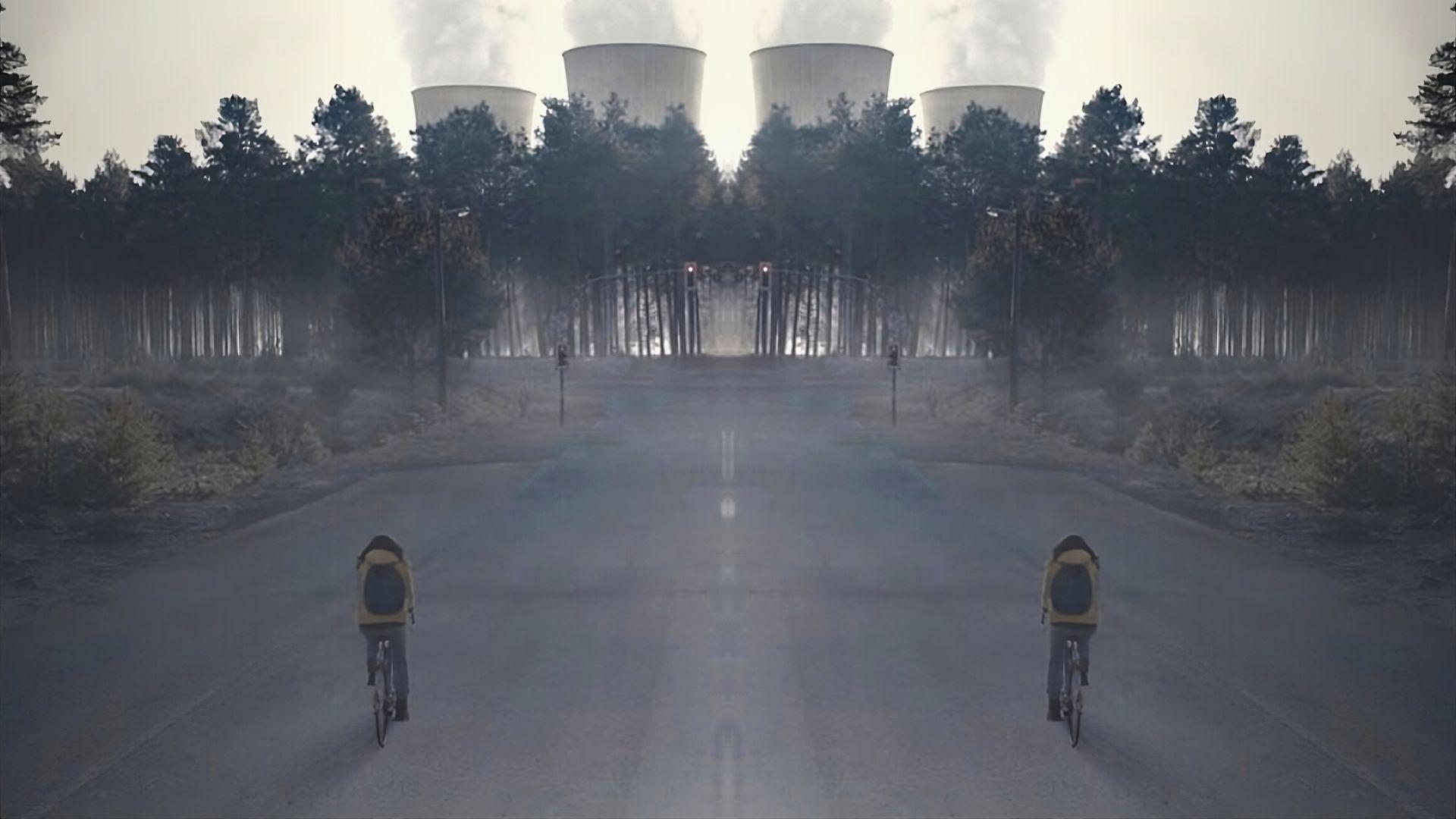
Look at the series with the sound off and you will still know where you are. Nikolaus Summerer’s camera drinks in a palette of slate, rust and bruised green, and Winden is almost always wet, as if the town were sweating out its secrets. The power plant is framed less like a building than a verdict, a monument of straight lines and hard shadows that makes the forest around it look hand-drawn.
Then you turn the sound back on, and Ben Frost’s score arrives like weather. It rarely announces itself with a melody; it presses on you, low and mechanical, the way the show’s dread presses on its characters. Against that, the opening song, Apparat’s “Goodbye,” plays as a kind of lullaby for the doomed, and the period pop that anchors the 1980s scenes lands with a cruelty I had forgotten, a flash of cheerful radio in a story that has already decided how it ends.
Editing matters just as much. Scenes are often cut so that a gesture in one decade lands on its echo in another, and the transitions do the explaining that lesser shows hand to a voiceover. It is quietly showy work, and it never once draws attention away from the people on screen.
The production design deserves its own credit. Each era is distinct enough that I could usually place a scene within a few seconds of its opening shot, from the texture of the wallpaper to the colour of the light in a kitchen. That clarity is what allows the narrative to leap across more than a century without leaving the viewer lost.
What Dark Believes About Free Will
Under the machinery, the series is arguing with itself about whether any of us choose anything. Its characters insist, again and again, that they are acting freely, and the structure keeps politely suggesting otherwise. I find that tension unbearably moving, because it is how most of us live: sure we are steering, half-suspecting we are being carried.
Cinema has always been drawn to that question. When we looked back at Stranger Than Fiction, the story of an IRS auditor who hears his own life being narrated, it struck me how gentle that film’s answer is by comparison. Our Today in Cinema piece on Stranger Than Fiction follows a man who meets his author and discovers she cannot bring herself to kill him. Dark is far less merciful. Its author, if there is one, does not take meetings.
What keeps the series from turning into a lecture is that it grounds its philosophy in guilt. A single reckless act can set a whole family’s fate in motion, a notion that Na Hong-jin’s film plays out in a very different register in our HOPE review. In Dark, nobody is a villain at the start. People simply do the unforgivable thing for the most forgivable reason, and then spend decades, sometimes centuries, trying to take it back.
Even death is treated as a character with a long memory. Hollywood has a habit of giving fate a human face, a trick that Meet Joe Black played for romance and a taste for peanut butter. Winden prefers a colder bargain, and I think it is the braver one.

Where It Wobbles
I would be doing you a disservice if I called it flawless. The second season is the series at its most punishing, and there are stretches where I felt the plot working harder than the people in it. Characters occasionally slip into explaining the mythology to one another, and a few of them, by the end, feel more like points on a diagram than human beings.
The third season widens the lens to a second world and, with it, a second set of rules, which asks a great deal of anyone not taking notes. I admire the ambition, but I also found myself missing the tighter, grubbier intimacy of the first run. And the tone is relentless. There is almost no humour, very little rest, and a viewer who wants to be entertained rather than interrogated may find the whole thing exhausting.
My advice is to watch it in the original German with subtitles. The performances carry a rhythm that dubbing flattens, and since the series asks you to read faces as much as lines, you owe it your eyes. None of these complaints changes my view of the show; they simply explain why I would hand it to some friends with a warning label.
The Ending, and the Courage to Plan One
The most radical thing about Dark may be that it knew when to stop. It was conceived as a story with a destination, and it arrives there in three seasons, without padding and without a final act that scrambles to justify itself. The finale is more emotional than mechanical, which is exactly right, and I will leave it there for anyone who has not seen it.
That discipline feels especially precious now. The same creators’ follow-up, 1899, was cancelled after a single season, a reminder of how fast streaming patience runs out. Meanwhile, HBO’s programming chief has said he believes The Last of Us season 3 has been planned as the final season, as we reported in our story on the final season, and I find myself rooting for any show that is allowed to leave on its own terms.
Dark shows what that freedom can buy. Because the destination was never in doubt, every early scene can be read twice, and the finale rewards a second pass in a way few television endings manage. I rewatched with the ending in mind and found new meaning in conversations I had once treated as filler.
Why 2026 Is a Good Year to Go Back
Even Stephen King, hardly a stranger to dark entertainment, has praised the series publicly, and it has been resurfacing in recommendation lists all year. I understand why. As Netflix keeps betting on history-bending spectacle, such as the Assassin’s Creed series, whose Rome set photo we covered in our report on the production, Dark stands as proof that the streamer’s most lasting work often arrives when it trusts a strange idea and a patient audience.
There is also something quietly generous about its scale. Each episode runs about fifty minutes, the three seasons add up to twenty-six, and none of it asks for outside reading. Compare that with the homework some franchises now require, like the sixteen-film primer in our guide to what to watch before Avengers: Doomsday. Dark hands you everything it needs, then trusts you to keep up.
If you have never seen it, start tonight, with a notepad nearby and your phone in another room. If you have, go back. It is a different show the second time, and I suspect a different show again the third.
Watch on Netflix
My rating
Dark (2017–2020)
Dark treats its audience as collaborators, and that is why it has outlasted almost everything released alongside it. It is dense, unrelenting and a little overworked in its final stretch, but no other streaming drama joins such a rigorous time-travel structure to so much real grief. Nine years on, it is still the high-water mark of Netflix originals.
Pros
- Time travel with rules it never cheats
- An ensemble that ages convincingly across decades
- A rain-soaked palette and Ben Frost score that sell the dread
- A finale planned from the start and earned
Cons
- Season 2 can feel overworked
- Season 3’s second world demands notes
- Almost no humour or relief
Dark does not want to be liked so much as understood, and for me that is the best thing a series can do. It is cruel, dense and occasionally overlong, and it is also the rare piece of television that rewards the person who pays full attention with something that feels like grief, wonder and recognition all at once. I will keep going back to Winden. I suspect it will keep waiting for me.
News
More on Every Movie Plug
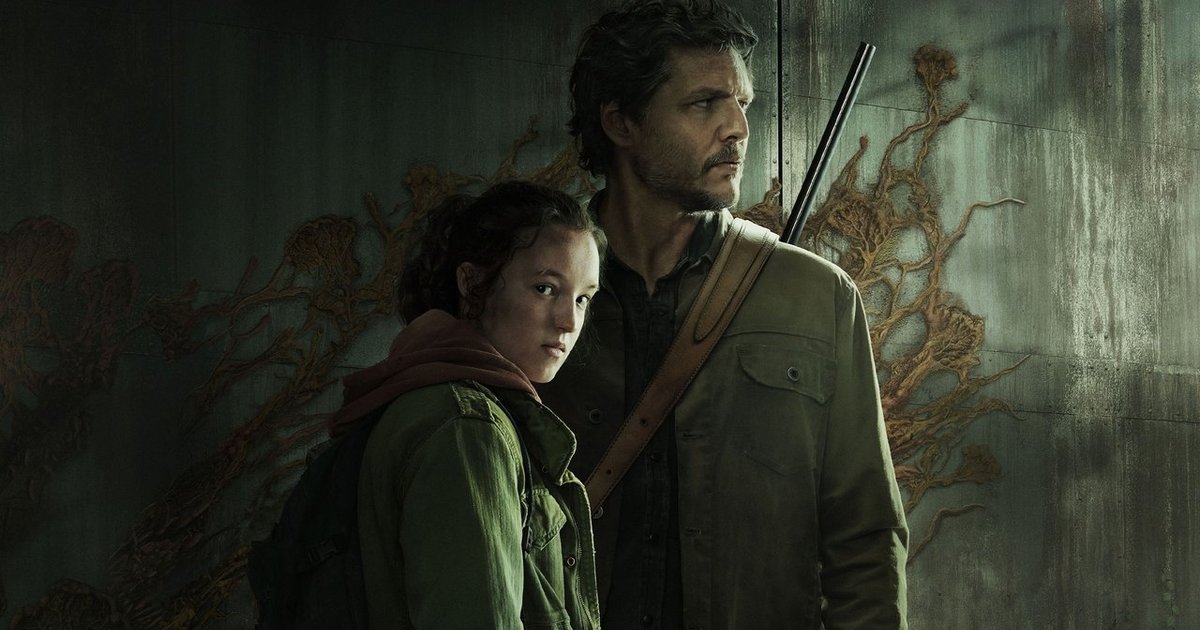 TV News The Last of Us Season 3 Is Set for 2027 and Is Planned as the Final Season HBO’s Casey Bloys says The Last of Us season 3 arrives in 2027 and that Craig Mazin has planned it as the final season. Filming is scheduled to wrap in November. Read the story →
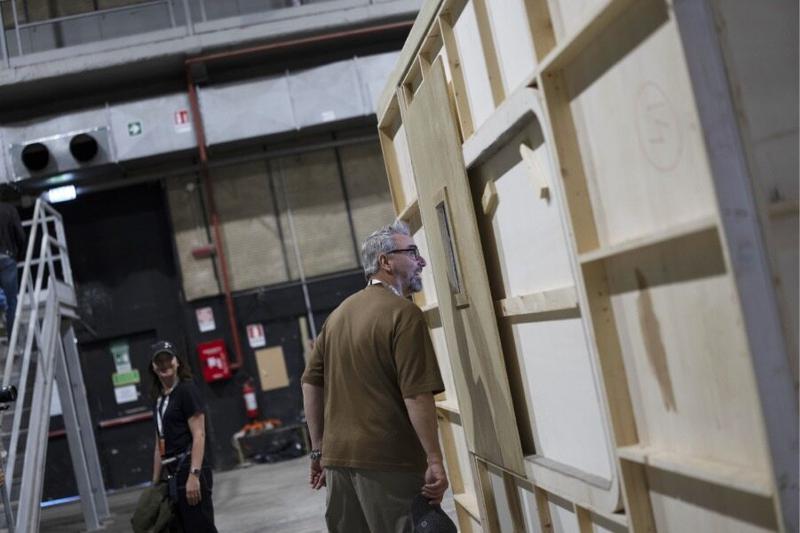 TV News Netflix’s Assassin’s Creed Series Reveals Behind-the-Scenes Set Photo as Filming Nears Its End Ubisoft has shared a behind-the-scenes photo from the Rome set of Netflix’s Assassin’s Creed series as production nears completion. Read the story →
 Film News Netflix Unveils The Take First Look With Denzel Washington and Robert Pattinson, Sets January 15 Release Netflix revealed the first poster and photos for The Take, the Fernando Meirelles heist thriller with Denzel Washington and Robert Pattinson, out January 15. Read the story →
Articles
Keep reading
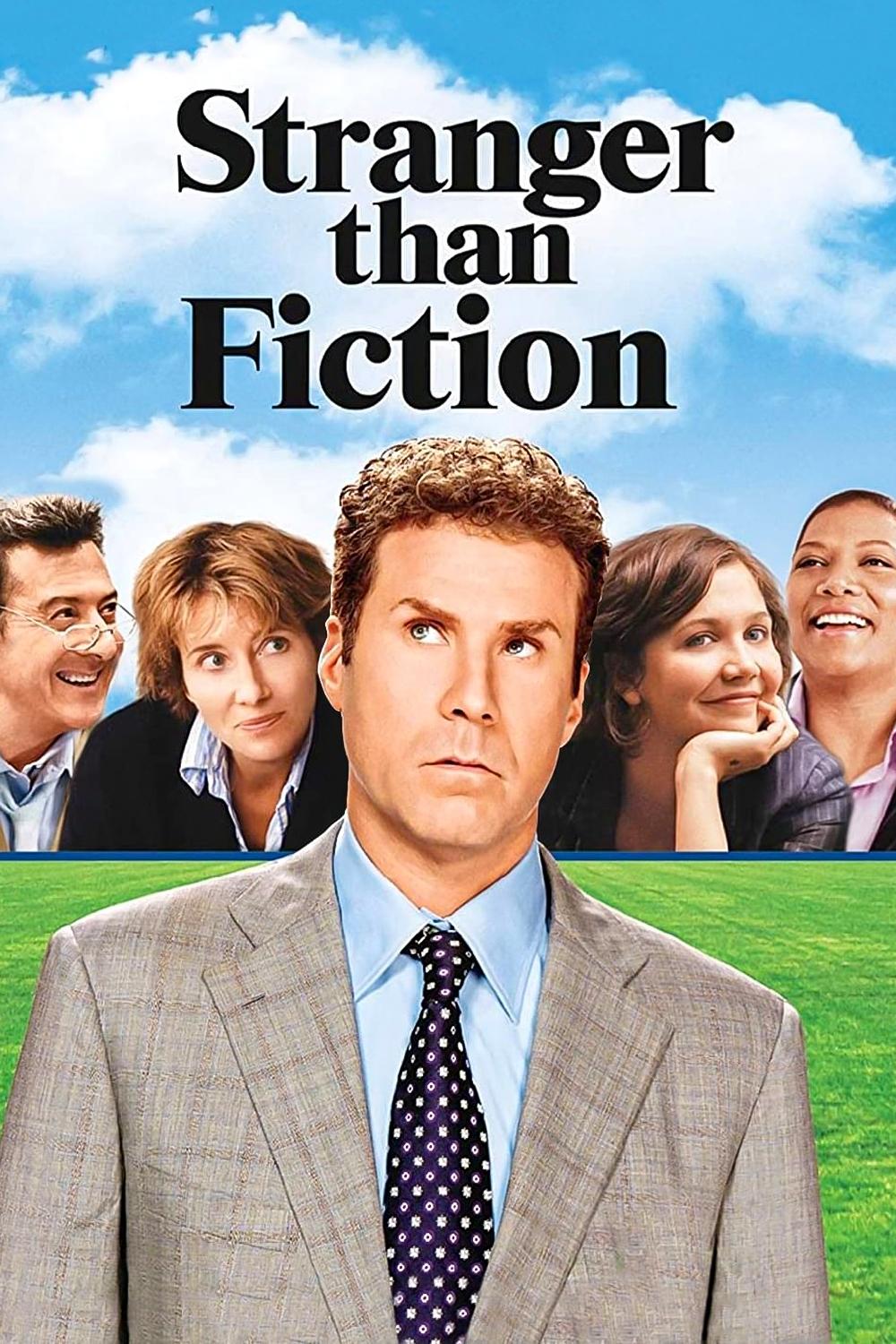 Today In Cinema Today in Cinema, November 10: Stranger Than Fiction Opens in 2006 and Lets Will Ferrell Meet His Author An IRS auditor who hears his life narrated, a novelist who cannot kill him and a wristwatch that is three minutes fast: the story behind the 2006 film that proved Will Ferrell could carry a drama. Read the article →
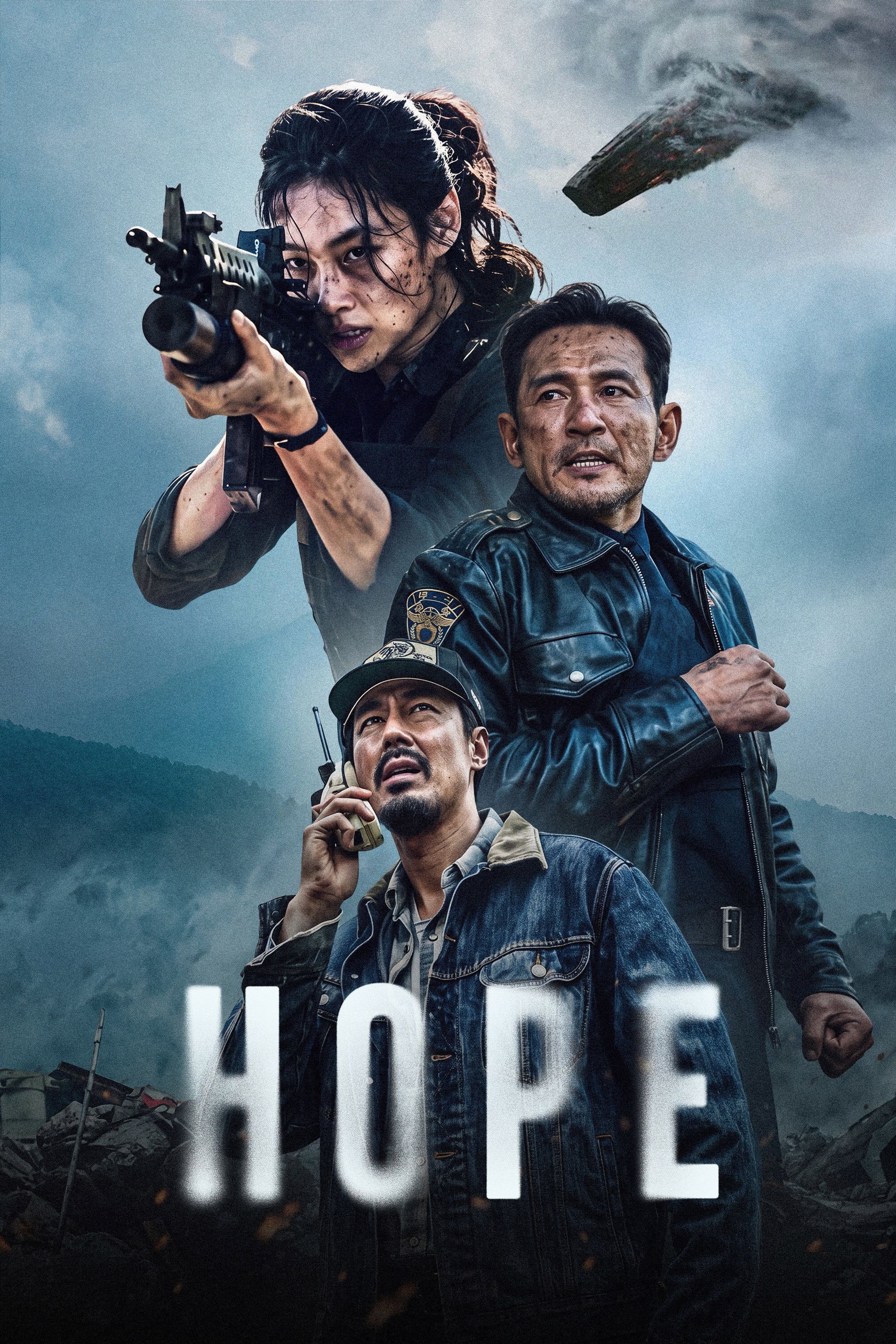 Reviews HOPE Review: Na Hong-jin’s Creature Feature Is Really a Story About Grief A village under siege, an alien that looks like a nightmare and a single reckless act that explains all of it. Read the article →
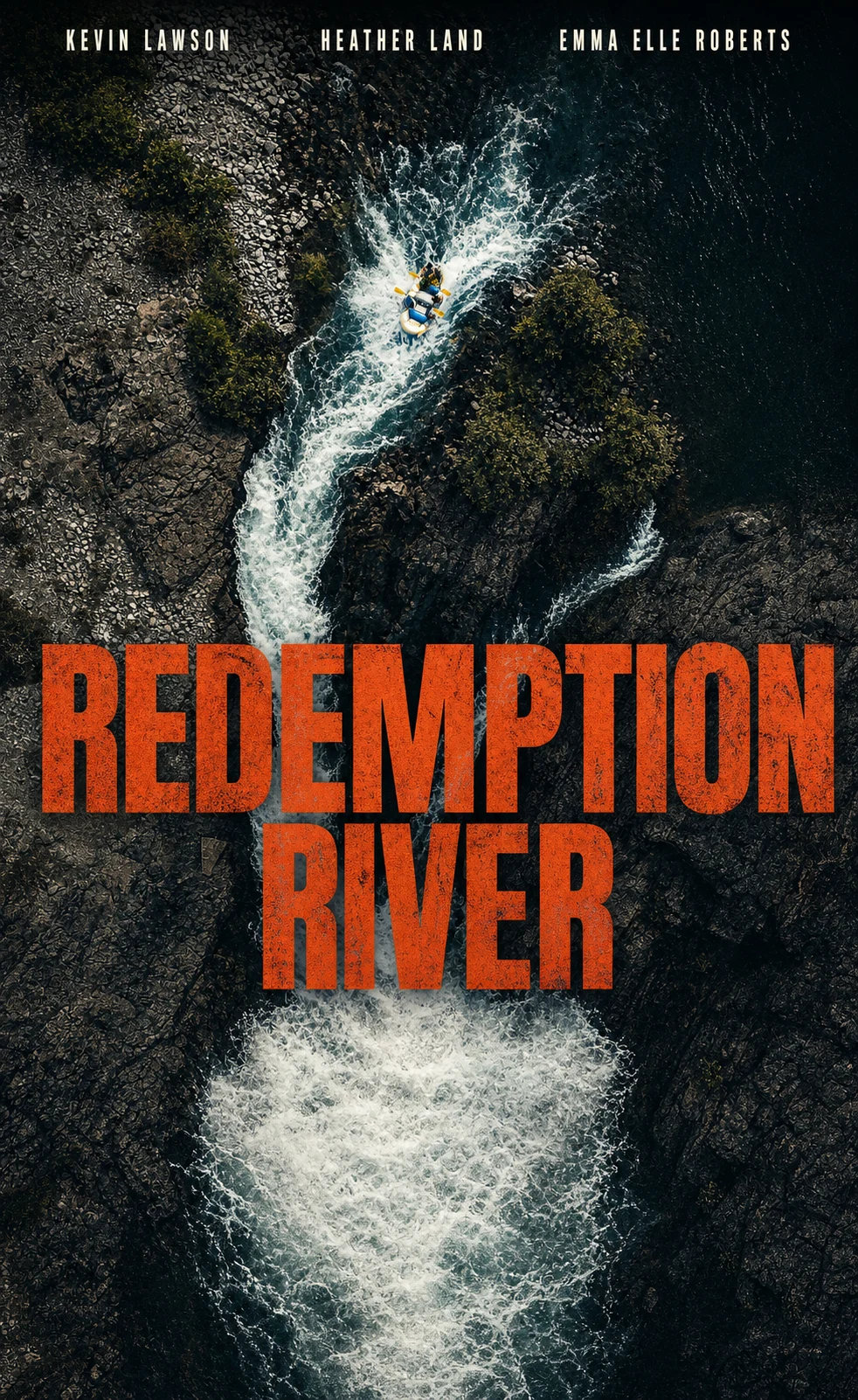 Reviews Redemption River Review: Surviving the Roller Coaster of Marriage When Outside Selfishness Strikes Our spoiler-marked Redemption River review: a faith-based survival thriller about grief, a fraying marriage and a rafting trip gone wrong. Rated 3.5/5. Read the article →
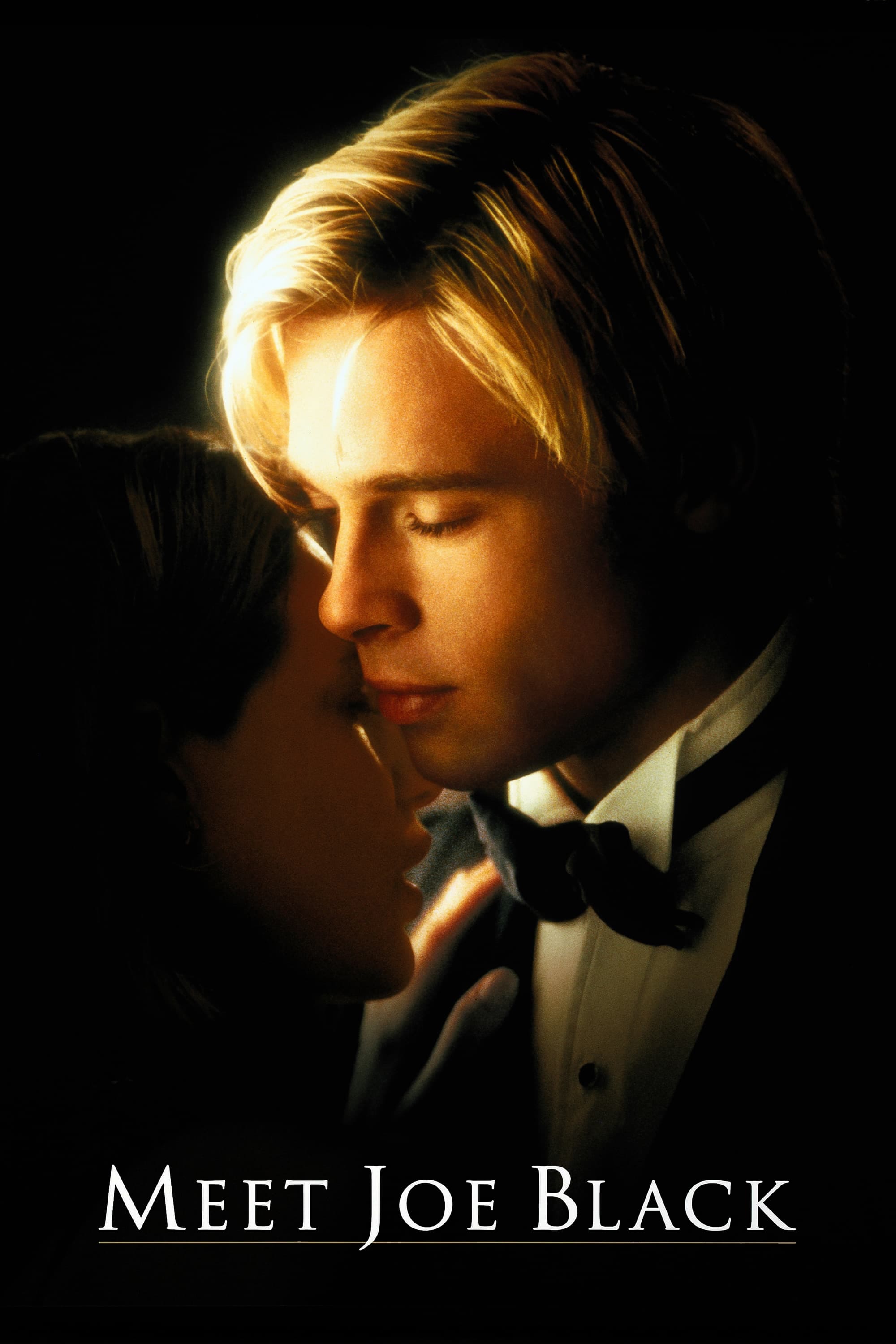 Today In Cinema Today in Cinema, November 13: Meet Joe Black, the Three-Hour Romance With Death That Critics Buried and Audiences Kept Meet Joe Black opened November 13, 1998. A look at the Brad Pitt and Anthony Hopkins drama that Star Wars fans skipped, critics doubted and viewers never forgot. Read the article →