On the Friday after Thanksgiving in 2014, The Imitation Game opened on four screens across New York and Los Angeles and took $479,352 over the weekend. For a film that would go on to earn more than $230 million worldwide, it was a quiet beginning, and a deliberate one. The Weinstein Company had already collected the Toronto audience award for it. The studio now followed the slow-build route it had used on other awards-season titles, The King’s Speech among them: open small, let the reviews and the word of mouth gather, then widen the release for the holiday crowds.
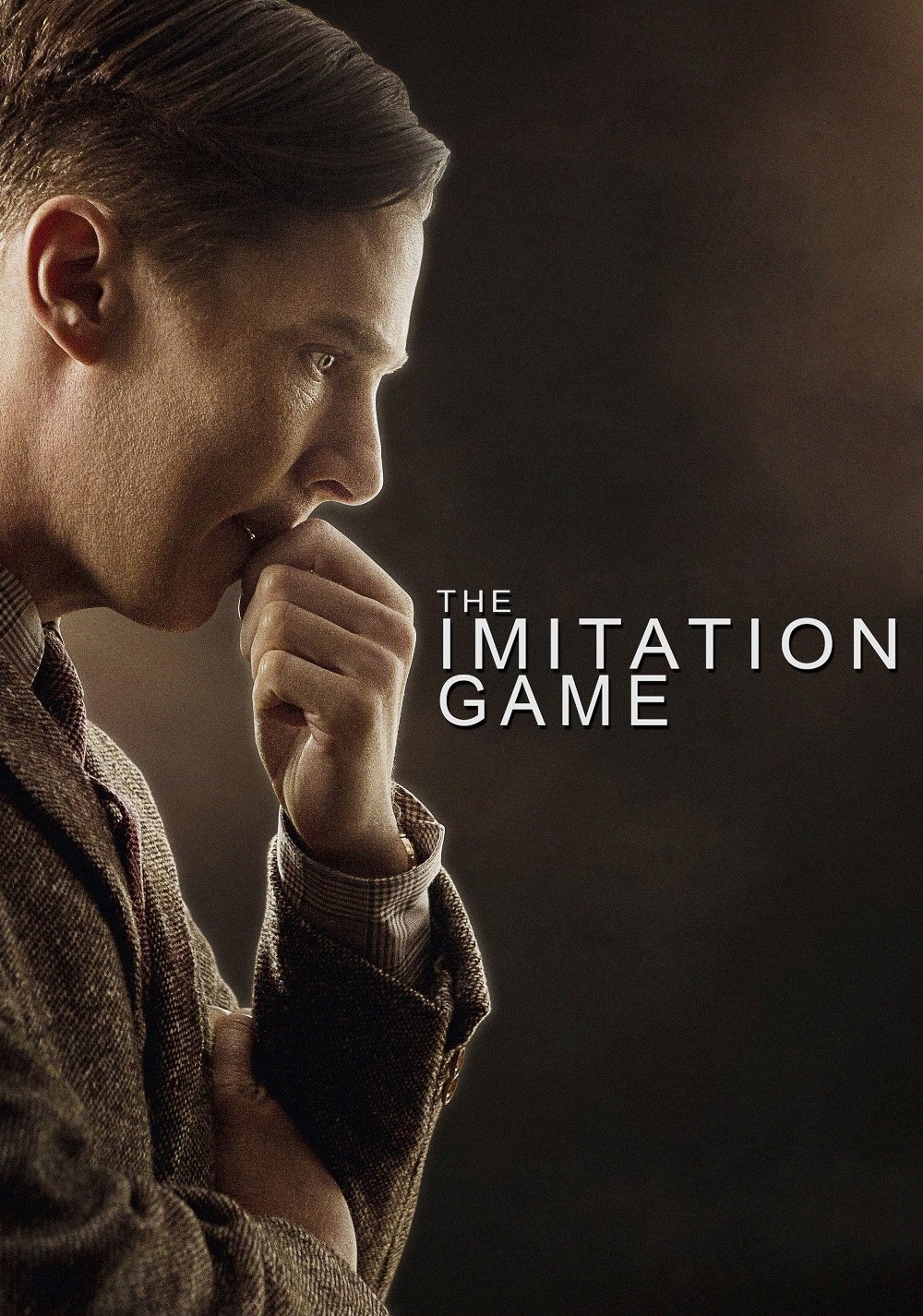
British audiences had got there first. The film opened in the United Kingdom on November 14, 2014, a date that, as we noted earlier this month, also belongs to The Jackal, which arrived in 1997.
Twelve years on, this anniversary reads less like a birthday than an audit. The Imitation Game is the version of Alan Turing that most people now carry in their heads. It put a mathematician’s name on multiplex posters and sent a generation of viewers off to look him up. It also invented a good deal, bent the record in places that matter, and handed the role of villain to men who had done nothing to earn it. Both of those things are true, and the film’s reputation has been a tug of war between them ever since.
A Script Everyone Wanted and a Director Nobody Expected
Graham Moore had wanted to tell Turing’s story since he was a teenager, and by 2011 Hollywood wanted it too. His screenplay topped that year’s Black List, the annual survey of the best unproduced scripts in the business, and it drew on Andrew Hodges’s 1983 biography, Alan Turing: The Enigma. The film inherited its central thesis from that book: that the early death of a schoolboy friend, Christopher Morcom, shaped everything Turing later thought about minds and machines.
The choice of director was the surprise. Morten Tyldum was best known for Headhunters, a Norwegian thriller that had become the highest-grossing film in his country’s history, and The Imitation Game was his first picture in English. He has said that what drew him in was Turing as the outsider’s outsider, a man carrying secrets in a country that criminalised one of them.
Benedict Cumberbatch, then at the height of his Sherlock fame, took the lead. Keira Knightley played the codebreaker Joan Clarke, Matthew Goode played Hugh Alexander, Charles Dance played the Bletchley commander Alastair Denniston and Mark Strong played the MI6 chief Stewart Menzies. Cameras started turning in England in September 2013, with locations across Oxfordshire, Buckinghamshire, Dorset and London, and the budget stayed near $14 million.
The world premiere came at Telluride at the end of August 2014. A few weeks later the film won the People’s Choice Award in Toronto, a prize with a long record of forecasting Oscar attention. By the time it reached American cinemas it had stopped being a discovery and become a front-runner, which is a harder thing to be.
Three Timelines and One Interview Room
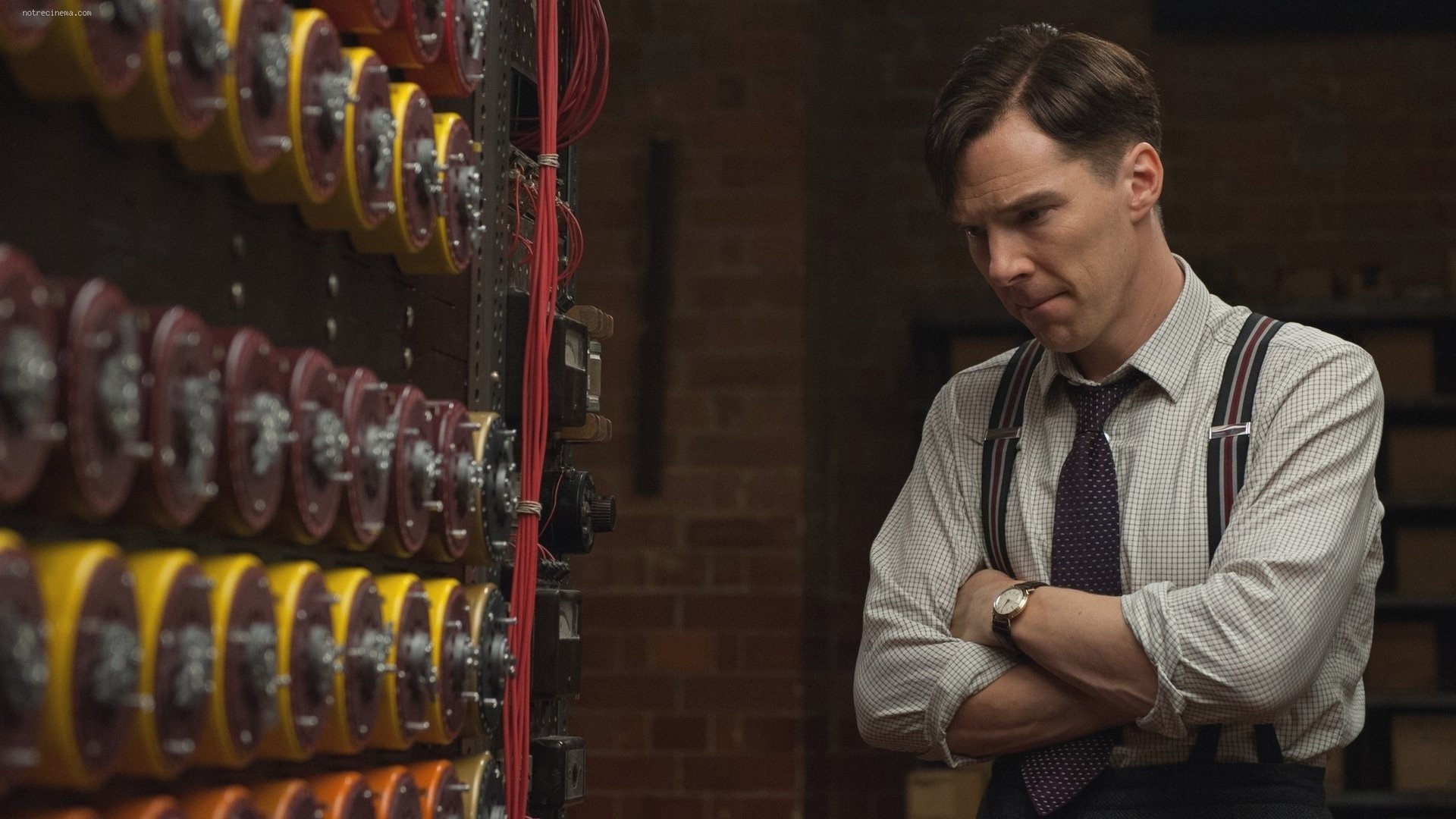
Moore and Tyldum built the film as a braid. One strand follows Turing as a lonely schoolboy in 1928. Another follows him from 1939 at Bletchley Park, the Buckinghamshire estate where Britain’s codebreakers worked. The third frames the rest. It sits in a Manchester police station in the early 1950s, where a detective sergeant played by Rory Kinnear begins to suspect that the guarded man across the table is hiding something far larger than the burglary he reported.
The braid does real work. It lets a story about men in huts, pencils and cardboard become a thriller with a ticking clock. It also lets the wartime triumph be seen through the knowledge of what the country would later do to the man responsible for it. The cost is that every strand has to be cut to fit the others.
The title is the best idea in the picture. In 1950 Turing published a paper in the journal Mind, “Computing Machinery and Intelligence.” It set aside the question of whether machines can think and proposed a game instead: a judge exchanging typed messages has to decide which of two respondents is the human. The film borrows the phrase and folds it into Turing’s own circumstances. A gay man in 1950s Britain was playing an imitation game with every colleague and neighbour, on behalf of a state that would prosecute him if he lost. In the closing exchange Turing asks the detective whether he is a machine, a person, a war hero or a criminal, and the double meaning is made plain.
The UCL historian Jon Agar has noted that this scene is pure invention. He has also argued that it dramatises Hodges’s central idea about Turing’s inner life faithfully, which is a more generous reading of the film than most of its critics have offered.
Cumberbatch’s performance carries the structure. He plays Turing as a man whose brilliance lands socially as rudeness, who misses every joke and every warning, and whose rare moments of ease arrive like weather. It earned him a Best Actor nomination and a defeat to Eddie Redmayne, who played Stephen Hawking in The Theory of Everything, the other British genius picture of that season. Not everyone was persuaded. A long review in the New York Review of Books compared the film’s Turing to a dour Mr. Spock whom everyone dislikes. It found that portrait at odds with the man his colleagues remembered.
The Bletchley the Film Needed
The factual objections began after the first festival screenings and have not really stopped. Historians, codebreakers’ families and former intelligence officers have all had their say, and the complaints cluster around a handful of inventions.
| What the film shows | What the record says |
|---|---|
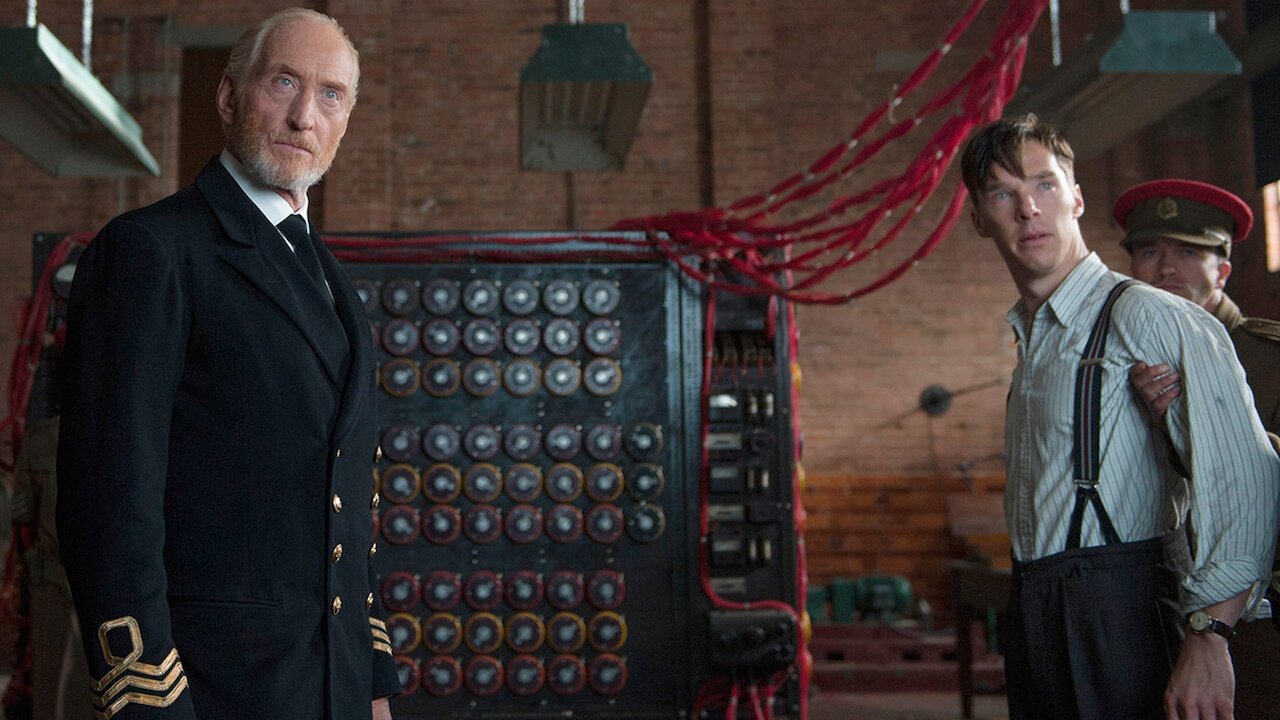
| Turing builds a machine called Christopher, alone and against opposition, and names it after his schoolboy love. | The British codebreaking machine was the bombe, and the first example was called Victory. Its design drew on earlier Polish work by Marian Rejewski and was improved by Gordon Welchman’s diagonal board. |
| Hugh Alexander is Turing’s arrogant rival. | Alexander was Turing’s deputy in Hut 8 and one of four signatories to the letter sent to Churchill. He later spoke up for Turing’s character at the 1952 trial. |
| Alastair Denniston is a blustering obstacle who keeps trying to fire Turing. | Denniston was an experienced cryptanalyst who had recruited Turing and others before the war began. His grandchildren objected publicly to the portrayal. |
| Joan Clarke is recruited after solving a newspaper crossword. | Clarke came in through her former supervisor, Welchman. |
| Enigma is the only cipher worth breaking. | Bletchley was just as busy with Tunny, a German high-command cipher attacked with the Colossus machines. |
None of this is trivia to the people it touches. Denniston’s grandchildren said the film took an unwarranted sideswipe at their grandfather. A reviewer in the CIA’s own journal, Studies in Intelligence, went as far as saying the film-makers owed an apology to the families of Denniston and Alexander. Turing, that reviewer added, was important but not a superhero, and the habit of treating him as one is the root of most of the trouble.
There is a craft logic behind every one of these distortions. A drama needs an antagonist and a deadline, and the real Bletchley offered committees, shortages and slow memos. The film solved the problem by turning colleagues into obstacles. The cumulative effect is a lone eccentric beating the Reich while surrounded by fools. That flatters an audience. It also diminishes the thousands of people, a large majority of them women, who kept the operation running.
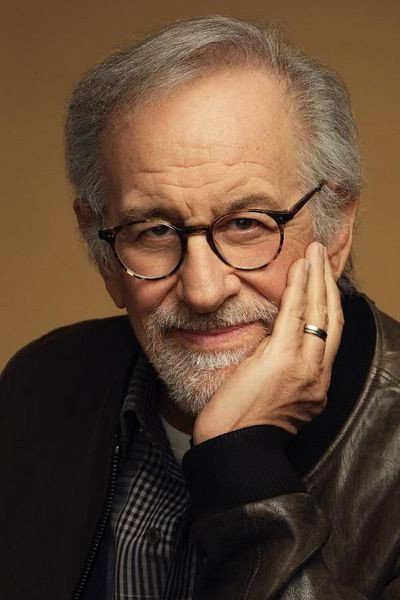
It is worth remembering how collaborative the work was, and how collaborative the film-making is. When Steven Spielberg was honoured at MoMA, he said he has never stood alone on a set. The same could have been said of Hut 8, and the film would have been a little less tidy and a good deal more accurate for saying so.

What Eight Nominations Bought
Academy Awards, February 20158 nominations
The Academy nominated the film for Best Picture, Best Director, Best Actor, Best Supporting Actress for Knightley, Best Adapted Screenplay, Best Original Score, Best Film Editing and Best Production Design. It won one of them. The screenplay prize went to Moore, while Picture and Director went to Birdman, Editing to Whiplash, and Production Design to The Grand Budapest Hotel. Alexandre Desplat, who had been nominated for scoring The Imitation Game, won the Score award that night for the same Wes Anderson film, beating his own work.
A haul of eight nominations and a single win looks thin on paper, but it undersells how the night belonged to the film. Moore used his time at the microphone to speak about his own adolescence and the feeling of not belonging, and he told viewers in the same position that they did belong.
“Stay weird, stay different.”
It is the part of the film’s awards run that people still remember, and it fits the picture better than any of the trophies would have. The film is, for all its liberties, about someone who was told in every way available that he did not fit.
That is the usual shape of an awards campaign: a burst of recognition, then a long quiet. Mahershala Ali, who has two Oscars of his own, has recently been reported saying that two statuettes do not guarantee the next role. For this film, the audience had already done most of the work before the Academy weighed in.
Box office on a budget of about $14 million$233.6 million worldwide
That audience was substantial. After the four-screen opening the film expanded across the holidays, reached more than 2,400 theatres at its widest and finished with roughly $91 million in North America and about $142 million abroad. By some counts that made it the highest-grossing independent film of 2014, in a year when the studios had given audiences plenty of other things to see.
The Spymaster in the Corner
Mark Strong’s Menzies has only a handful of scenes, and he is responsible for the film’s chilliest idea. Once you can read the enemy’s messages, acting on everything you learn tells the enemy that you can read them, so some attacks have to be allowed to land. The film stages that dilemma as a personal one, with a young codebreaker whose brother turns out to be aboard a ship the team has just identified as a target. It is a compression of a real argument about wartime intelligence, and it works because the film trusts the audience to feel the arithmetic.
The real Menzies headed MI6, and he is often named among the possible models for Ian Fleming’s M. Fleming himself served in naval intelligence. The franchise that grew out of that world is now being handed to a new face, as Amazon MGM has named Robert Pattinson as the next James Bond. We have already weighed that series against its newest rival in our comparison of Bond and John Wick. Watching The Imitation Game again, it is striking how little glamour the film allows its spies. Nobody here has a gadget. They have pencils and a bad feeling.
The Pardon, the Banknote and the Part the Film Did Not Play
Turing died in June 1954, aged 41, two years after his conviction for gross indecency and after the hormone treatment he was made to undergo in place of prison. The inquest recorded suicide, a verdict some biographers have questioned. For decades afterwards his wartime work remained classified and his name was known mostly to mathematicians.
The reckoning came in stages. In 2009 Prime Minister Gordon Brown issued an official apology. On December 24, 2013, Queen Elizabeth II signed a pardon. In 2017 the legislation informally called Turing’s Law extended pardons to other men convicted under the same repealed laws. On June 23, 2021, his birthday, the Bank of England issued a £50 note carrying his portrait and his date of birth rendered in binary code.
The film did not cause any of this, and it is worth being plain about that. The pardon arrived eleven months before the film opened in America, and the campaign behind it had been running for years. What The Imitation Game did was different and less measurable. It gave a cause that had lived in petitions and parliamentary debates a face and a voice for people who had never opened Hodges’s biography. It did so at the moment the country was ready to feel ashamed.
That is the case for forgiving its liberties, and it is not a weak one. A flawed film that sends millions of people toward the real history may do more for that history than a perfect one nobody watches. The risk is that the invented version becomes the one that sticks. Great-man portraits have a way of hardening in the public mind. Our reviewer found the same risk in Alex Gibney’s four-hour documentary on Elon Musk, a film the review called gripping, gruelling and far from neutral. The same warning applies to any biography that makes one man the engine of everything.
Turing’s Test Has Left the Cinema
In 2014 the imitation game was a historical curiosity with a good title. In 2026 it is part of the ordinary weather. Anyone who has spent a morning arguing with a chatbot knows that Turing’s 1950 question has left the philosophy seminar for the kitchen table: can you tell what is on the other end of the line? Even Saturday Night Live now builds a cold open around the executives who sell the hardware, as Bowen Yang’s return as Jensen Huang showed.
That gives the film a second life it could not have planned. Viewers who arrive from curiosity about artificial intelligence meet a story with an argument the film makes almost by accident. Judging a mind by how convincingly it converses is a poor way to take its measure. Turing spent his working life asking when a machine could be said to think. He spent his last years being judged by people who had decided in advance what he was.
How to Watch It Tonight
Watch it as a drama about loneliness rather than a lecture about codebreaking, and it holds up better than its reputation among historians would suggest. Cumberbatch and Knightley are at their best in the quiet scenes, and Desplat’s score keeps the picture moving without letting it become a chase.
Then go to the sources. Hodges’s biography remains the standard account, and Turing’s 1950 paper is short and surprisingly readable. Bletchley Park is open to the public as a museum, where the huts are smaller and the work looks far more human than the film’s. Streaming availability changes by country, so check your local listings before you plan the evening.
Twelve years after it opened on four screens, The Imitation Game remains a film worth arguing with. That may be the most honest tribute available to a story about a man who was never allowed to be simply himself.
- Box Office Mojo: The Imitation Game (2014)
- The Numbers: The Imitation Game
- UCL STS Observatory: The Imitation Game, by Jon Agar
- The New York Review of Books: Saving Alan Turing From His Friends
- CIA Studies in Intelligence: Two Cryptologic Nights at the Cinema
- Bank of England: Unveil of the Alan Turing £50 polymer banknote
- Monash University: The Imitation Game, history, drama or myth?
News
More from the Newsroom
 Entertainment Spielberg, Honored at MoMA, Says He Has Never Stood Alone on a Set Steven Spielberg was honored at MoMA’s 18th Film Benefit with Tom Cruise, Martin Scorsese and Bruce Springsteen, and spent his speech crediting everyone else. Read the story →
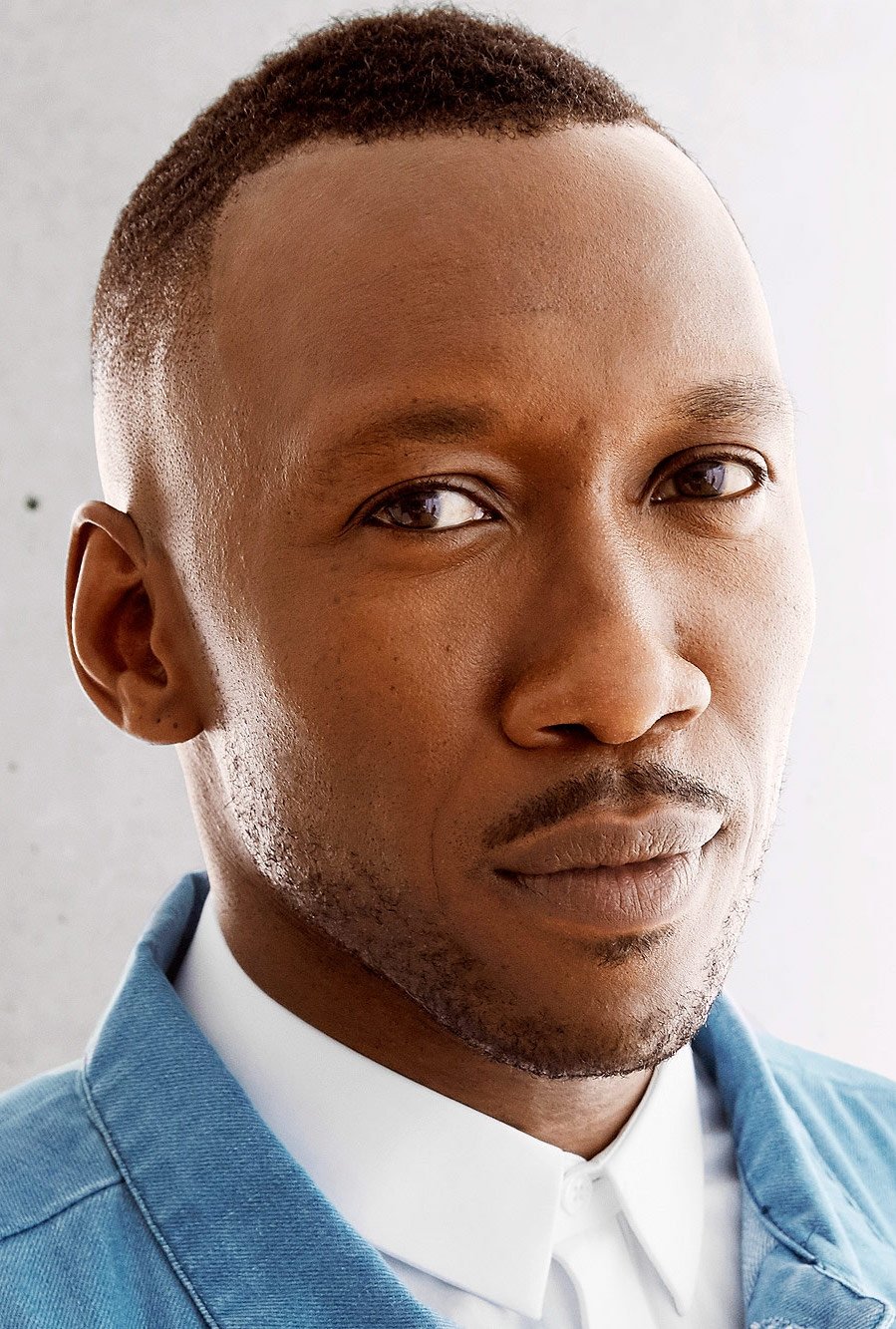 Celebrity News Mahershala Ali: Two Oscars Don’t Guarantee Roles Mahershala Ali says two Oscars do not guarantee roles, because most greenlit projects have no part for him. Here is what he said and what comes next. Read the story →
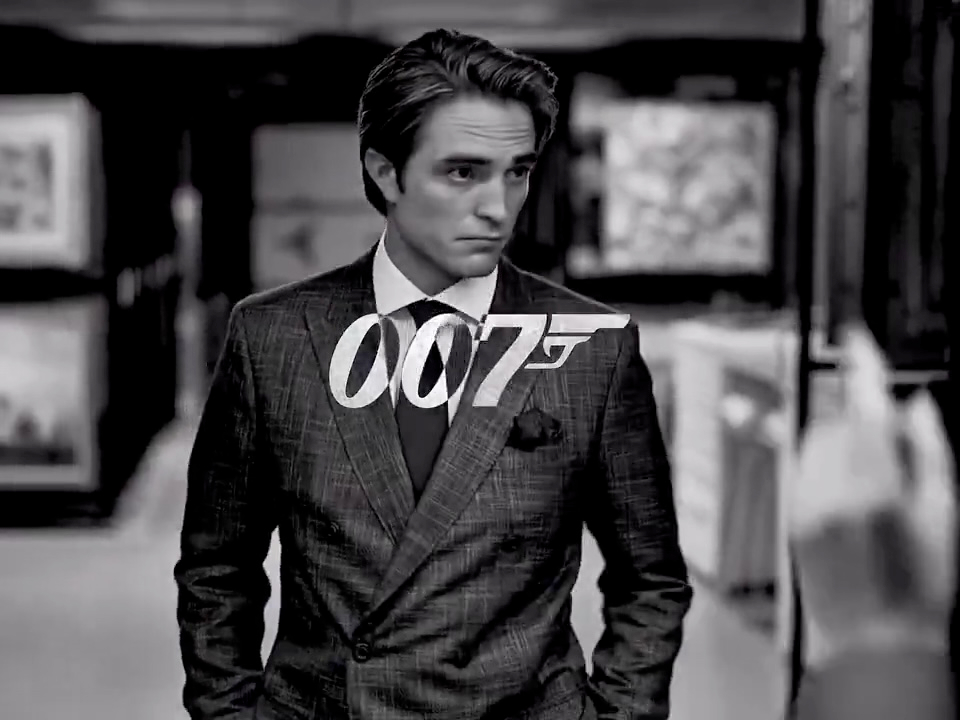 Film News Robert Pattinson Is the New James Bond, Amazon MGM Announces Amazon MGM Studios has named Robert Pattinson as the next James Bond, with Denis Villeneuve directing. What was announced, what it means and what is still unknown. Read the story →
Articles
Keep Reading
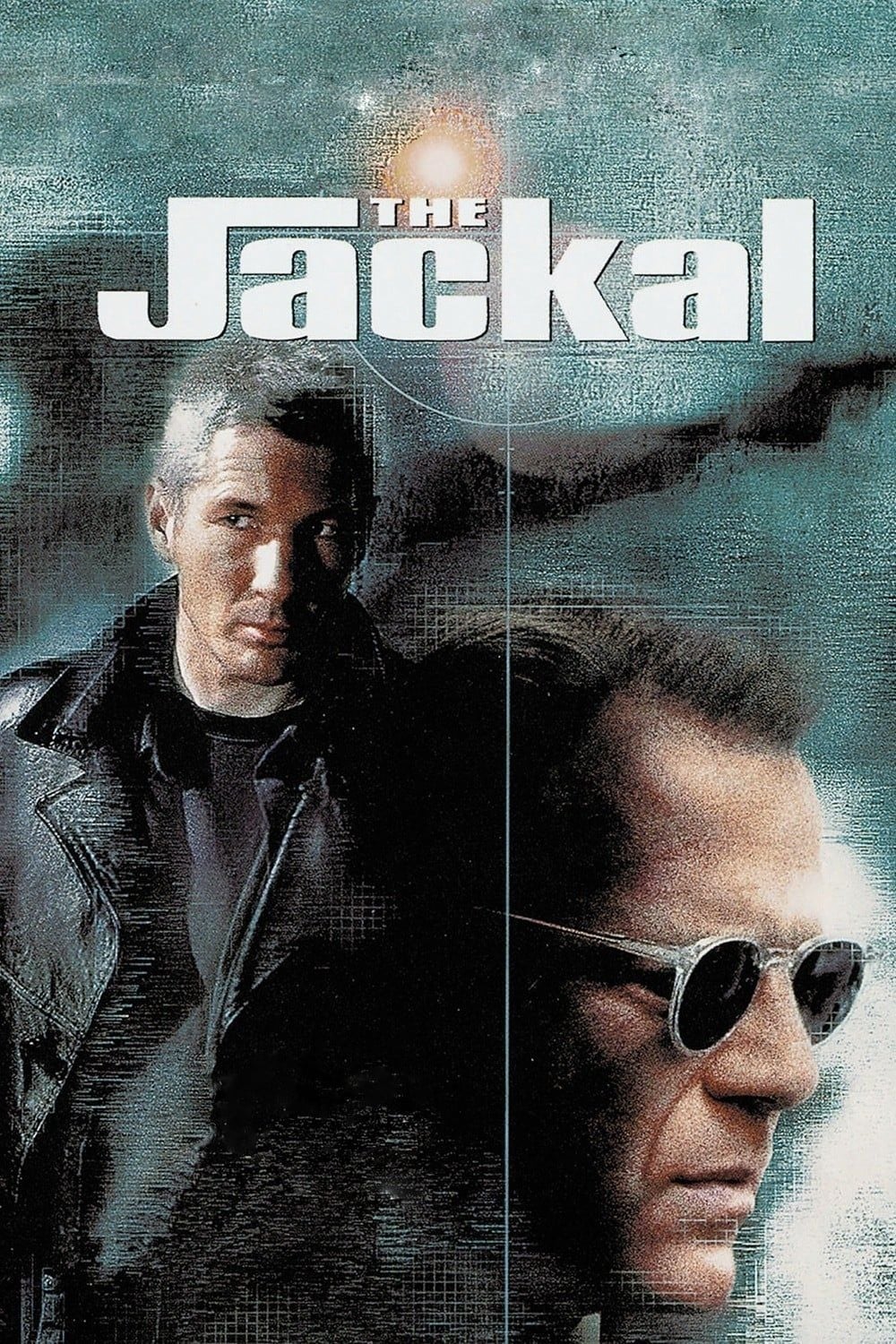 Today In Cinema Today in Cinema, November 14: The Jackal Opens in 1997, and the Original’s Makers Went to Court to Keep Their Title Off It The Jackal opened November 14, 1997. The injunction over its title, the script nobody liked, the Montreal Metro chase and why a hit became a punching bag. Read the article →
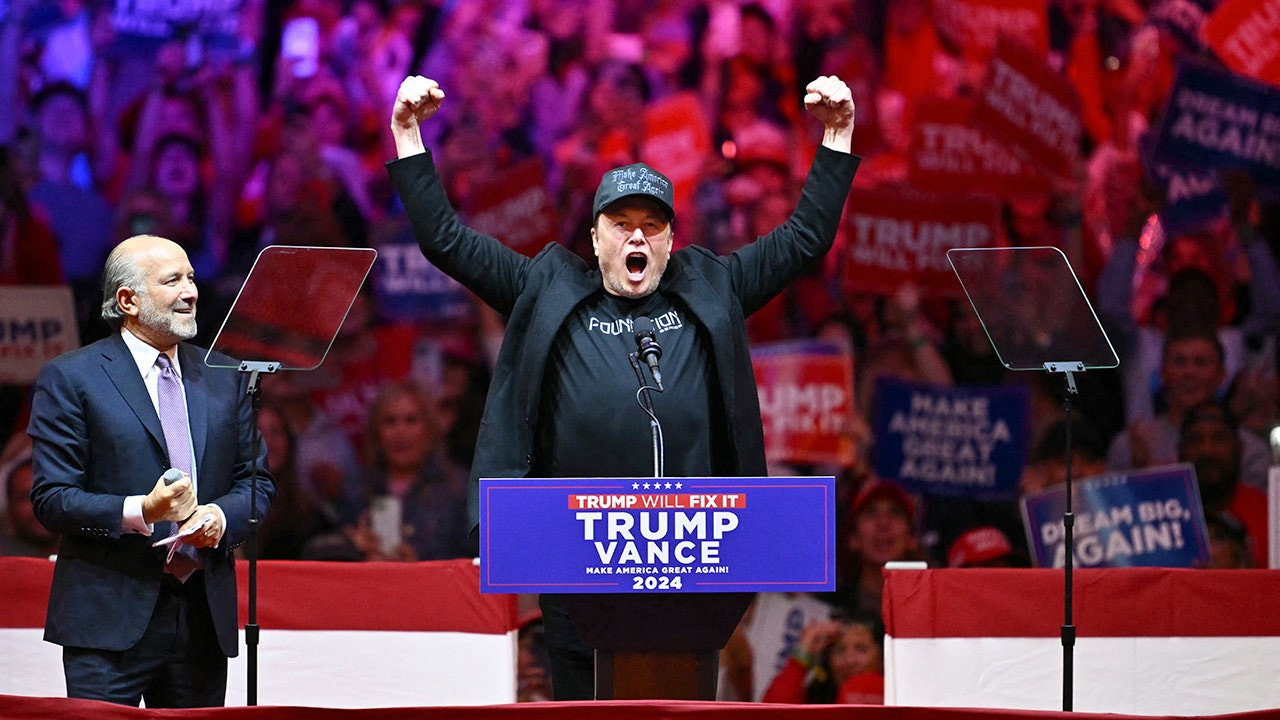 Reviews Musk Review: Alex Gibney’s Four-Hour Reckoning Is Gripping, Gruelling and Far From Neutral Our Musk (2026) review: Alex Gibney’s four-hour documentary on Elon Musk, its avatar device, critical reception, Musk’s response and where to watch. Read the article →
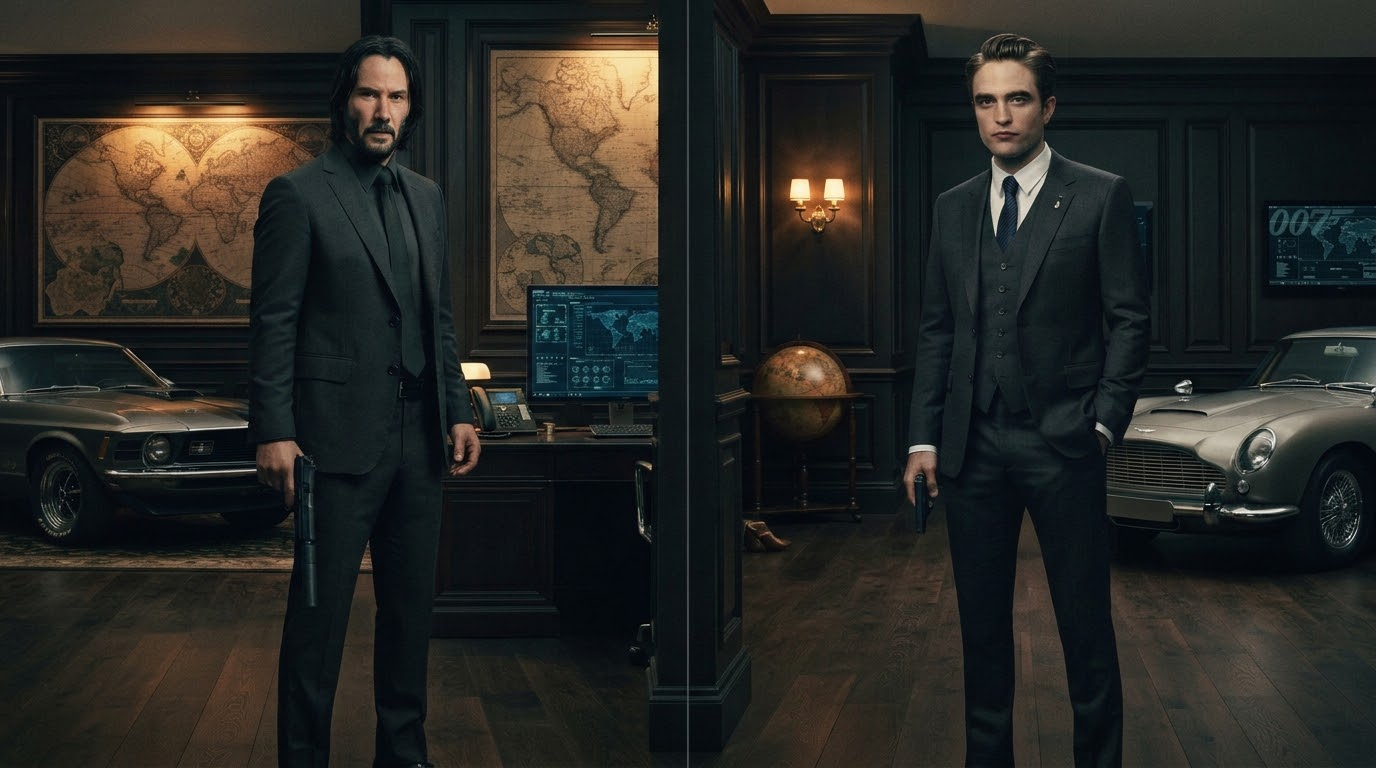 Industry Analysis James Bond vs John Wick: Which Franchise Is Stronger Now? James Bond and John Wick compared: box office, stars, ownership, spin-offs and tone, as Robert Pattinson takes over 007 and Caine heads for 2027. Read the article →