On Monday, November 9, James Gunn shared a statement that few people in Hollywood had expected to read. After four years as co-CEO of DC Studios, he and his producing partner Peter Safran were stepping down from the top jobs, with the change taking effect on December 1. Gunn did not describe the role as a triumph. He described it as a grind, and he said he had never warmed to the corporate side of the work.
The announcement produced the question that now fills every comment section: why did James Gunn fail? It deserves a serious answer, and the evidence does not fit into one word. This is a filmmaker whose Guardians of the Galaxy Vol. 3 earned about $845.6 million worldwide, and whose first DC film, Superman, grossed $618.7 million against a $225 million budget. It is also a studio chief whose second film lost money, whose television slate sent mixed signals, and whose bosses changed underneath him.
What follows is a close reading of the record: the numbers, the decisions, the corporate shake-up, and seven separate reasons the DC Universe never found a steady footing. The last section asks whether “fail” is even the right verb.
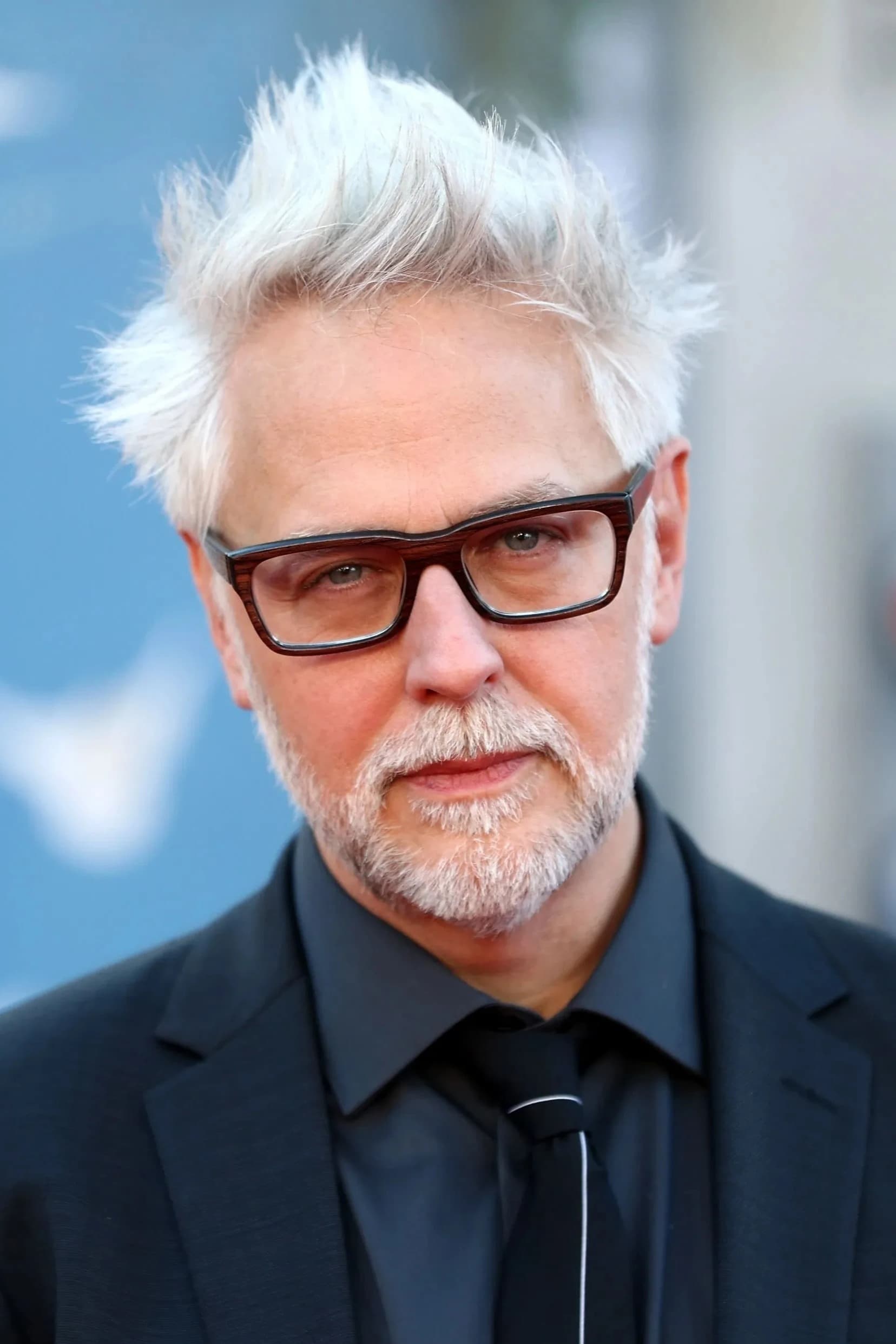
“Trying, to say the least.”
If you only have a minute, the case in brief:
- The hit. Superman was profitable, but it fell short of the “megahit” some wanted.
- The miss. Supergirl grossed roughly $126 million on a budget of at least $170 million.
- The bounce. Clayface cost far less, opened first and passed $100 million worldwide.
- The landlord. Skydance’s takeover of Warner Bros. Discovery changed who Gunn answered to.
- The verdict. The record shows a mixed executive result, not the collapse of a filmmaker.
A Résumé That Looked Bulletproof
When Warner Bros. Discovery named Gunn and Safran co-chairmen and CEOs of DC Studios on October 25, 2022, the logic seemed airtight. Bloomberg reported that the pair would oversee film, television and animation starting November 1, reporting to then-CEO David Zaslav. Gunn was the rare filmmaker with active projects at both major superhero powerhouses. He had made Guardians of the Galaxy a household name for Marvel and had revived The Suicide Squad for DC, and Safran had produced Aquaman, Shazam and the Conjuring films.
The record had soft spots, even then. The Suicide Squad was widely admired, yet it earned about $168 million worldwide on a $185 million budget, a reminder that critical affection and box office strength are different currencies. The Marvel side of the ledger was stronger. Guardians of the Galaxy Vol. 3 closed the trilogy at roughly $845.6 million, and the cast has not stopped talking about it; Chris Pratt recently said Marvel has taken concrete steps to bring his character back, as covered in Chris Pratt Says Marvel Has Taken ‘Hard Action’ to Bring Star-Lord Back.
The hire also had a history to answer. DC’s previous attempt at a connected universe had ended in public arguments about control, and those arguments still echo; Ben Affleck Calls Justice League the Low Point of His Career shows how long a studio at odds with its filmmakers can cast a shadow. Gunn’s job was to end that pattern. The question for the next four years was whether one creative vision could do what a committee could not.
The Promise: Ten Projects and One Voice
On January 31, 2023, Gunn and Safran announced the first ten projects of the new DC Universe, anchored by Superman: Legacy, set for July 11, 2025. The slate was later grouped as Chapter One, titled Gods and Monsters. It also included a sequel to The Batman, which the announcement dated to October 3, 2025. Reporting in 2025 described a plan to release roughly seven projects a year across live-action film, animation and television.
The pitch was simple and attractive. Unlike the old DC Extended Universe, the new one would be planned from the start, written with care and overseen by people who loved the characters. Gunn insisted on scripts being finished before cameras rolled. The risk of that promise was equally simple: a plan with this many moving parts leaves little room for any single piece to stumble, because every stumble gets read as a verdict on the whole.
Within a few years, the calendar had already begun to shift. The Batman: Part II, once dated for October 2025, is now set for 2028, according to UPI, which called it highly delayed. Delays are normal in filmmaking, but in a shared universe they ripple.
Superman: The Win That Never Quite Became a Victory Lap

Superman opened on July 11, 2025, and went on to gross $618.7 million worldwide against a $225 million budget. One year later, 3DVF concluded that the bet had paid off, calling the run solid and a functioning launchpad for what followed. Listings of its reviews put its Rotten Tomatoes score at 83 percent, and a clear majority of critics responded warmly to David Corenswet’s earnest, hopeful take on the character.
Yet the same film produced a second, quieter story. Pajiba described the result as fine but not the megahit the studio was likely hoping for, and Netflix Junkie later summarized the run as only moderate commercial success. Both readings can be true. A film can make money and still miss the expectations that its own marketing created. When a studio presents its first release as the foundation of a new era, profit alone does not end the argument; the audience is asked to prove that the universe is worth following.
That is the quiet trap in the numbers. Superman covered its cost, and it justified the plan. It did not, however, create the kind of runaway momentum that would protect the studio when the next release arrived with less of a built-in audience.
Supergirl: The Weekend the Ground Tilted
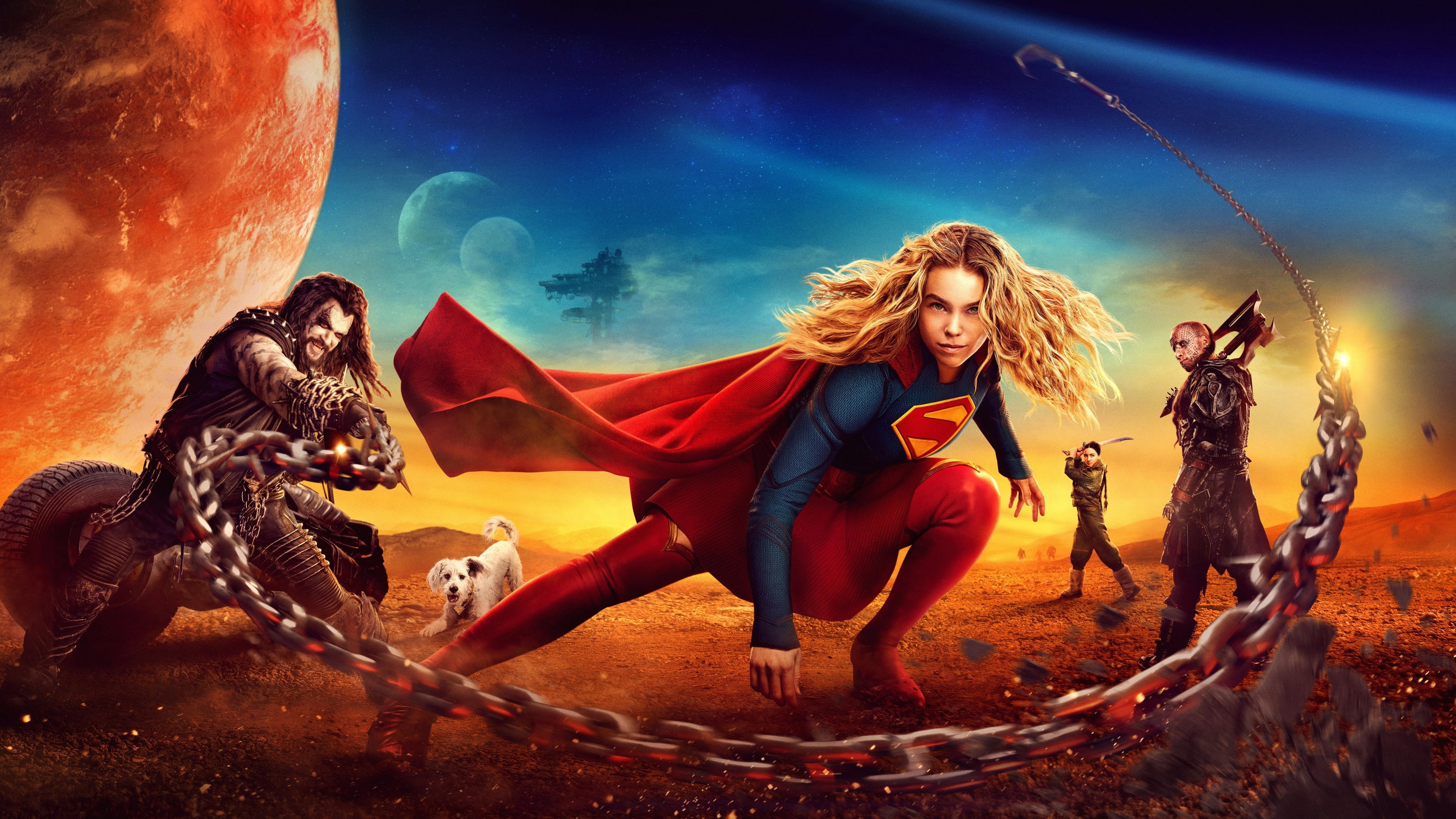
Craig Gillespie’s Supergirl, with Milly Alcock in the title role, arrived on June 26, 2026. The Associated Press reported that it opened a distant second to Pixar’s Toy Story 5, and JoBlo noted a domestic opening of about $38 million, which it ranked among the worst openings ever for a major superhero film. Empire cited Variety’s estimate that the film realistically needed around $300 million to break even. It did not come close. Box Office Mojo, as reported by GamesRadar, put the final worldwide total at $125.8 million.
The budget was at least $170 million, according to the AP and Complex. GamesRadar noted that the total was the lowest for a DC film since Catwoman in 2004. Peter Safran told The New York Times that the film “didn’t meet our box office expectations,” while adding that it was one piece of a longer strategy. Critics were split on the cause. Tom’s Guide argued that the whole approach had been misjudged from the start, while others pointed to the competition, the title’s smaller brand recognition and the cost of the film.
Whatever the reason, Supergirl changed the frame. Until June, Gunn’s DC could say that the first film worked. After June, critics could say the second one did not, and that the third would have to rescue the plan.
| Project | Worldwide gross | What the number meant |
|---|---|---|
| Guardians of the Galaxy Vol. 3 (2023) | About $845.6 million | A trilogy finale that confirmed Gunn’s commercial pull at Marvel. |
| The Suicide Squad (2021) | About $168 million | Admired by many critics, but below its $185 million budget. |
| Superman (2025) | $618.7 million | Profitable on a $225 million budget, short of a megahit. |
| Supergirl (2026) | About $126 million | Well under a reported $170 million budget and a $300 million break-even estimate. |
| Clayface (2026) | Over $100 million (still playing) | A reported $40 million budget made it a profit story. |
Seven Fault Lines
The failure of one film does not explain the end of a regime. Here are seven pressures that, taken together, show how a promising plan became a difficult tenure.
1. The calendar was not kind
Opening against Toy Story 5 meant fighting a franchise with a decades-long family audience, and the AP framed the result as a setback for Warner Bros.’ revamped DC operation. Studios schedule around holidays and rivals for a reason, and a film that needs to expand a fan base cannot easily do so when a Pixar sequel is taking the families. This does not explain the whole result, but it did not help.
2. A big budget for a smaller brand
Kara Zor-El is a beloved figure to comic readers, but she is less familiar to the general audience than her cousin. A budget of at least $170 million asked her to perform like a global icon. By contrast, Clayface, a horror film about one of Batman’s stranger villains, was reported by The Hollywood Reporter to have cost about $40 million. Its opening of $24 million domestically and $43 million worldwide, reported by Box Office Pro and TheWrap, was enough to make it profitable. GamesRadar reported that its budget was recouped in one weekend, and the lesson was hard to miss: when the cost is low, a modest crowd is a success.
3. One man, two jobs
Gunn was both the studio’s co-head and its flagship filmmaker. He wrote and directed Superman, then Man of Tomorrow, which wrapped production just as the news broke, according to The Hollywood Reporter via Complex. Cosmic Book News reported a Lanterns showrunner’s comment that Gunn was “off doing Superman” while the HBO series was being made. The structure had strengths, because it put a single creative voice at the center. It also meant that the person responsible for supervising a slate of seven projects a year was simultaneously writing, directing and editing a feature film.
4. Television was louder than it was loved
Lanterns is the clearest example. HBO said its finale on October 4 drew a record 10.5 million viewers over three days, and the season premiere had set a record for a DC Studios series on HBO Max with 9.3 million global viewers. Yet the series has not been renewed. Nielsen data cited by ComicBookMovie suggested that its linear audience was thinner than HBO’s headline number, and Cosmic Book News compared its viewership to The Penguin, which drew 27 million and never received a second season. The site’s own coverage, Lanterns Season 2 Is Not Greenlit Yet, and DC Promises an Answer by Year’s End, tracks where the decision stands. Meanwhile, Cosmic Book News reported that Peacemaker season two opened above its predecessor’s finale and then lost nearly 40 percent of its audience by the end.
5. The slate kept moving
A shared universe depends on timing. When The Batman: Part II slipped from the 2025 date announced in 2023 to 2028, the framework of Chapter One shifted around it. Reports about the slate, such as Dark Horizons’ summary that the exit puts the duo’s decade-long plans in question, show the cost of a long horizon: every change is visible, and every visible change becomes a story about direction.
6. The landlord changed
This may be the largest factor of all. Skydance took control of Warner Bros. Discovery, a deal that closed in October, as covered in our report on the Paramount and Warner Bros. Discovery merger. Gunn and Safran had originally reported directly to Zaslav. According to The Hollywood Reporter, relayed by Complex, the two felt confident about their future after the deal, and Skydance co-CEOs David Ellison and Ynon Kreiz had named them in October as part of the new leadership. Then the Skydance executives visited and told them their plans had changed. Insiders cited by the magazine said Skydance film chiefs Josh Greenstein and Dana Goldberg wanted to consolidate production, that Gunn and Safran were used to having the final word, and that Ellison did not want the DC chiefs reporting directly to him. These are reported accounts, not confirmed facts, but they describe a clash of structure more than a clash over a single film.
7. A scoreboard with no agreed rules
Finally, no one agreed on what success looked like. By one definition, Superman was a triumph. By another, it was merely decent. Clayface succeeded precisely because it did not try to be a blockbuster, which meant it could not make up the difference when the studio’s biggest swing missed. Variety had put Supergirl’s break-even near $300 million, a number that made any result below it look like a disaster. When the target is set that high, the best outcome becomes a modest relief, and the worst becomes a headline.
What Went Right and Rarely Gets Counted
A fair accounting also needs the other column. Superman made a real profit, according to 3DVF. Clayface is, by GamesRadar’s estimate, on track to be the third most profitable DC film of the decade after The Batman and Superman, and Get Your Comic On reported that it crossed $100 million worldwide after its third weekend, reaching about $109 million. Lanterns delivered the biggest series debut in DC Studios history on HBO Max. Creature Commandos and Peacemaker extended the brand into animation and television in ways that the older DC universe never tried.
Those wins matter because they show a studio with a repeatable method when the budget matches the premise. The exit does not erase them. It does, however, show how little credit a studio earns for what is merely working when the headlines are dominated by what is not.
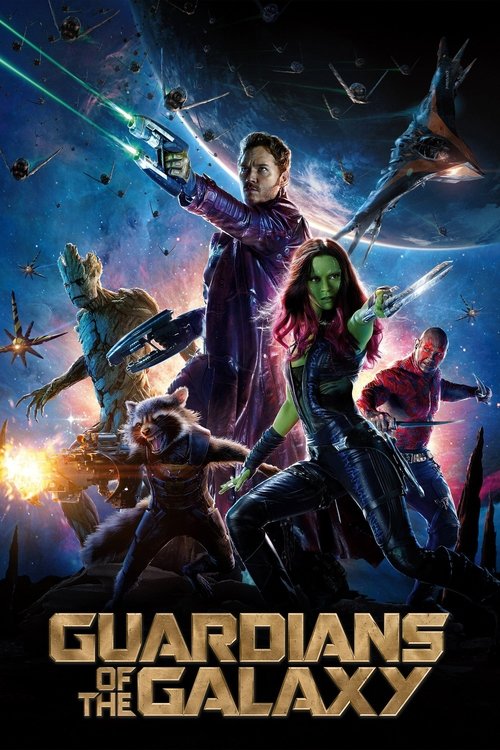
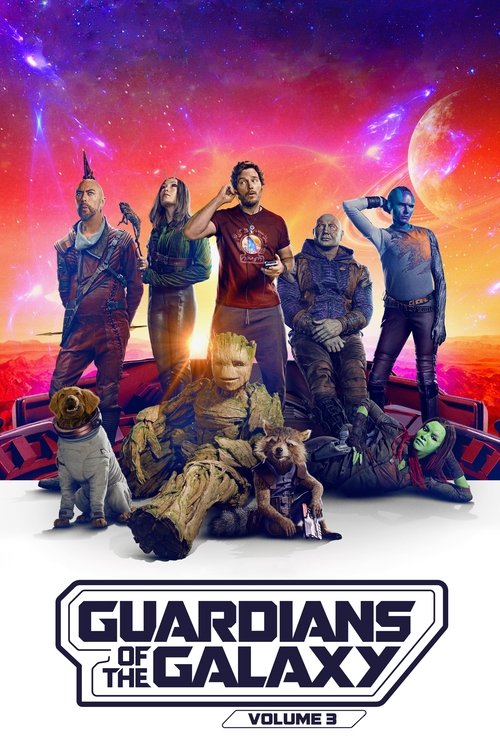
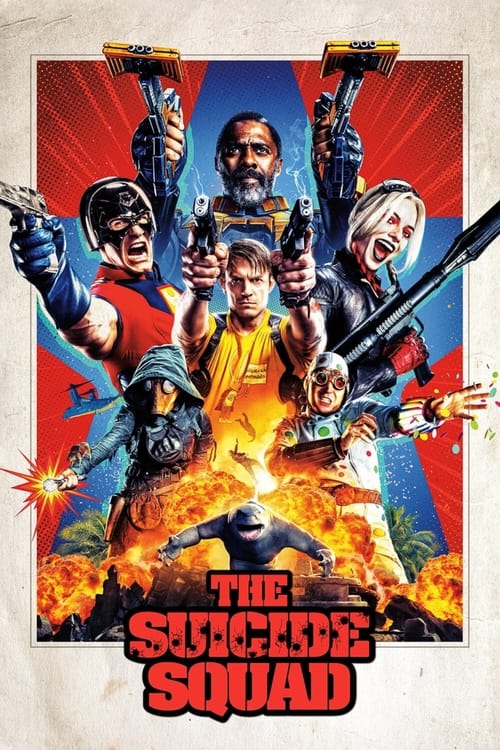


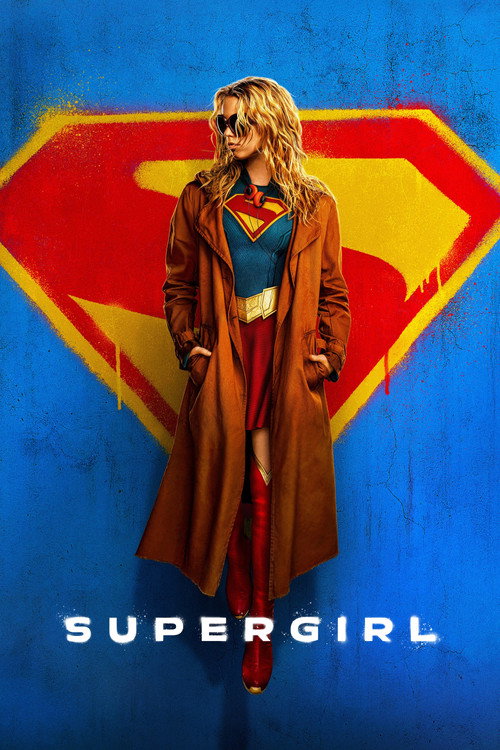


Posters: Marvel Studios, Warner Bros., DC Studios, HBO and their respective rights holders, via TMDB.
The Exit, Step by Step
The sequence of events moved quickly once it began:
- October 25, 2022. Warner Bros. Discovery names Gunn and Safran co-chairmen and CEOs of DC Studios, effective November 1.
- January 31, 2023. The pair announce the first ten projects of the new DC Universe.
- July 11, 2025. Superman opens and earns $618.7 million worldwide.
- June 26, 2026. Supergirl opens against Toy Story 5.
- October 4, 2026. The Lanterns finale airs, with a reported 10.5 million viewers.
- Weekend of October 23, 2026. Clayface tops the box office with a $43 million global opening.
- November 9, 2026. Gunn and Safran announce they are stepping down; Skydance names Jeremy Latcham as their successor.
- December 1, 2026. The change takes effect.
Deadline noted that Safran’s contract was due to expire in the spring, one more reason the timing may have been in motion before November. Skydance chairman and CEO David Ellison and co-CEO Ynon Kreiz said in a joint statement that the pair had launched a new era for DC Studios and led it through a period of real transformation. Gunn, for his part, said he and Safran intended to return full time to their creative work, and that he is writing one more DC film using characters the two set up to live beyond them.
They will not vanish from the slate. According to Dark Horizons, both will stay involved in the projects already in production or post-production, including Man of Tomorrow and The People v. Gorilla Grodd, and they keep producing credits on The Batman: Part II.
Who Is Jeremy Latcham, and What Changes?
Latcham, a former Marvel Studios executive who worked in the early years of the MCU, becomes President and Chief Creative Officer of DC Studios and will report to Goldberg and Greenstein, the co-chairs of Skydance Motion Picture Group. Dark Horizons noted that his producing credits include the first Guardians of the Galaxy, Spider-Man: Homecoming and Dungeons & Dragons: Honor Among Thieves, and that he had a misfire this year with The Breadwinner. Gunn and Safran said they shared a creative history with him that goes back to Marvel.
What the new structure means for the slate is the open question. Complex, citing The Hollywood Reporter, said Gunn and Safran had been planning a third Superman film and more mid-budget genre movies in the vein of Clayface, and that those plans will not come to fruition under the new arrangement. It was unclear whether Gunn would be able to complete his Superman trilogy or whether Skydance would instead reset DC again. Until the company says more, the safest reading is that the next chapter has not been written, which is itself a change from the confident, decade-long plan that Gunn and Safran presented in 2023.
Warner Bros. has its own pressures. TheWrap described Clayface as possibly the first significant box office success in more than a year for a studio that has had a rough run, which is the backdrop for stories such as Tom Cruise’s Digger Is Being Pulled From Theaters as Warner Bros. Retreats. The studio’s next major test arrives on December 18, when Dune: Part Three opens the same day as Avengers: Doomsday, a collision explained in the Dunesday Survival Guide.
So, Did James Gunn Fail?
The answer depends on which job is being measured, and the record supports a three-part verdict.
As a filmmaker, no. The evidence is the Guardians trilogy, the critical reception of The Suicide Squad, and a first DC film that returned a profit and that audiences and critics largely liked. His reported plan to write another DC film suggests that he is returning to the part of the work he does best.
As an executive, the result was mixed. The studio delivered one clear success, one expensive disappointment and one efficient hit. It built a television division that produced viewing records and uncertainty at the same time. It also set expectations so high that merely good results were treated as concessions. A studio head is judged on the portfolio, and the portfolio included a film that grossed less than any DC release in over twenty years, according to GamesRadar.
As a brand builder, the work is unfinished. A universe needs years to show whether its pieces connect. Four years is long enough to see the foundation and not long enough to see the house. The abrupt change of leadership means that the test the DC Universe was designed for, whether audiences would follow a planned story across films and series, may now be run by someone else.
There is a quieter lesson in the corporate story. Four years is a short time for a plan that was meant to last ten, and ownership changed during that period. Studios run on trust between the people who make the movies and the people who fund them. When the funders change, that trust has to be rebuilt, and Gunn and Safran’s reported habit of controlling their own slate was a poor fit for a parent company that wanted tighter oversight. Whether that is a failure or simply a collision depends on where a reader chooses to stand.
What to Watch Next
Several signals will show where DC goes from here. Man of Tomorrow, the Superman sequel, is scheduled for 2027, and its marketing will reveal how much of Gunn’s vision survives. The renewal decision for Lanterns, which Peter Safran said would come by the end of the year, is the first test of whether the new leadership honors old commitments. The Batman: Part II arrives in 2028. And the next announcement from Latcham will be the first real statement of intent.
Fans who want to keep following the fallout can read more in our Lanterns coverage and in the broader reporting on Warner Bros.’ box office year, including the retreat of Digger.
Frequently Asked Questions About James Gunn and DC Studios
Did James Gunn get fired from DC Studios?
Gunn and Peter Safran announced that they are stepping down as co-CEOs on November 9, 2026, with the change effective December 1. The Hollywood Reporter, as relayed by Complex, reported that insiders described the move as the result of a strained relationship with the new parent company, Skydance. Neither the announcement nor the reporting describes it as a formal firing.
Who replaces James Gunn at DC Studios?
Jeremy Latcham, a former Marvel Studios executive, becomes President and Chief Creative Officer of DC Studios. He reports to Dana Goldberg and Josh Greenstein, the co-chairs of Skydance Motion Picture Group.
Was Superman a box office success?
It was profitable. Superman earned $618.7 million worldwide on a $225 million budget. Some commentators felt it fell short of a megahit, but 3DVF described the result as a solid run and real profit.
How badly did Supergirl perform?
It grossed about $126 million worldwide on a budget of at least $170 million. GamesRadar reported it as the lowest total for a DC film since Catwoman in 2004, and Variety had estimated a break-even near $300 million.
Is James Gunn still making DC movies?
Yes, in a creative capacity. Dark Horizons reports that Gunn and Safran stay involved in projects already in production or post-production, including Man of Tomorrow and The People v. Gorilla Grodd, and that Gunn is writing one more DC film.
Is Lanterns getting a second season?
Not yet confirmed. The first season’s finale drew a reported 10.5 million viewers, but HBO and DC Studios had not ordered a second season as of the latest reports, and Peter Safran said a decision would come by the end of the year.
Conclusion: What a Reboot Is For
A reboot is a promise that the next version will be better planned than the last. Gunn kept part of that promise: the first film worked, the cheapest film proved a point about scale, and the television side found an audience. He did not keep all of it, because the second film cost too much and sold too little, and because the company above him changed course. The honest answer to the question in the headline is that James Gunn did not fail as a filmmaker, did not fully succeed as a studio chief, and ran out of time before the DC Universe could show what it was meant to become.
The story is not over. For a different kind of studio drama, see When Movie Villains Were Right: 10 Antagonists Who Had a Point, which looks at characters who lost on screen but won part of the argument.
Image and Source Credits
- Lead portrait, scene images and posters: respective rights holders including Warner Bros. Pictures, DC Studios, Marvel Studios and HBO, via TMDB
- Related-story thumbnails: Every Movie Plug
References and Further Reading
- The exit and the successor: Dark Horizons; Deadline; UPI via Yahoo; Complex; KATV
- Reported tensions with Skydance: Complex, citing The Hollywood Reporter
- Appointment and early slate: Bloomberg; Gulf News; Clayn Ferno on the January 2023 slate
- Superman: 3DVF; Pajiba; Netflix Junkie
- Supergirl: Associated Press via Las Vegas Sun; Empire; JoBlo; GamesRadar; GamesRadar on Peter Safran’s statement; Tom’s Guide
- Clayface: Box Office Pro; TheWrap; GamesRadar; Get Your Comic On
- Lanterns and Peacemaker: Cosmic Book News; Cosmic Book News on the series’ production; ComicBookMovie; ComicBookMovie on the finale
- Earlier box office and filmography figures: Guardians of the Galaxy Vol. 3, Wikipedia; The Suicide Squad, TMDB data
- Every Movie Plug coverage referenced: Chris Pratt and Star-Lord; Ben Affleck and Justice League; Lanterns Season 2; Paramount and Warner Bros. Discovery merger; Digger pulled from theaters; Dunesday Survival Guide; When Movie Villains Were Right
Related News
 TV News Lanterns Season 2 Is Not Greenlit Yet, and DC Promises an Answer by Year’s End Where the DC series stands after a record-setting finale. Read the story →
 Movie News Chris Pratt Says Marvel Has Taken ‘Hard Action’ to Bring Star-Lord Back Chris Pratt says Marvel Studios has taken concrete steps to bring Star-Lord back to the MCU, though he would not say when or in which film. Read the story →
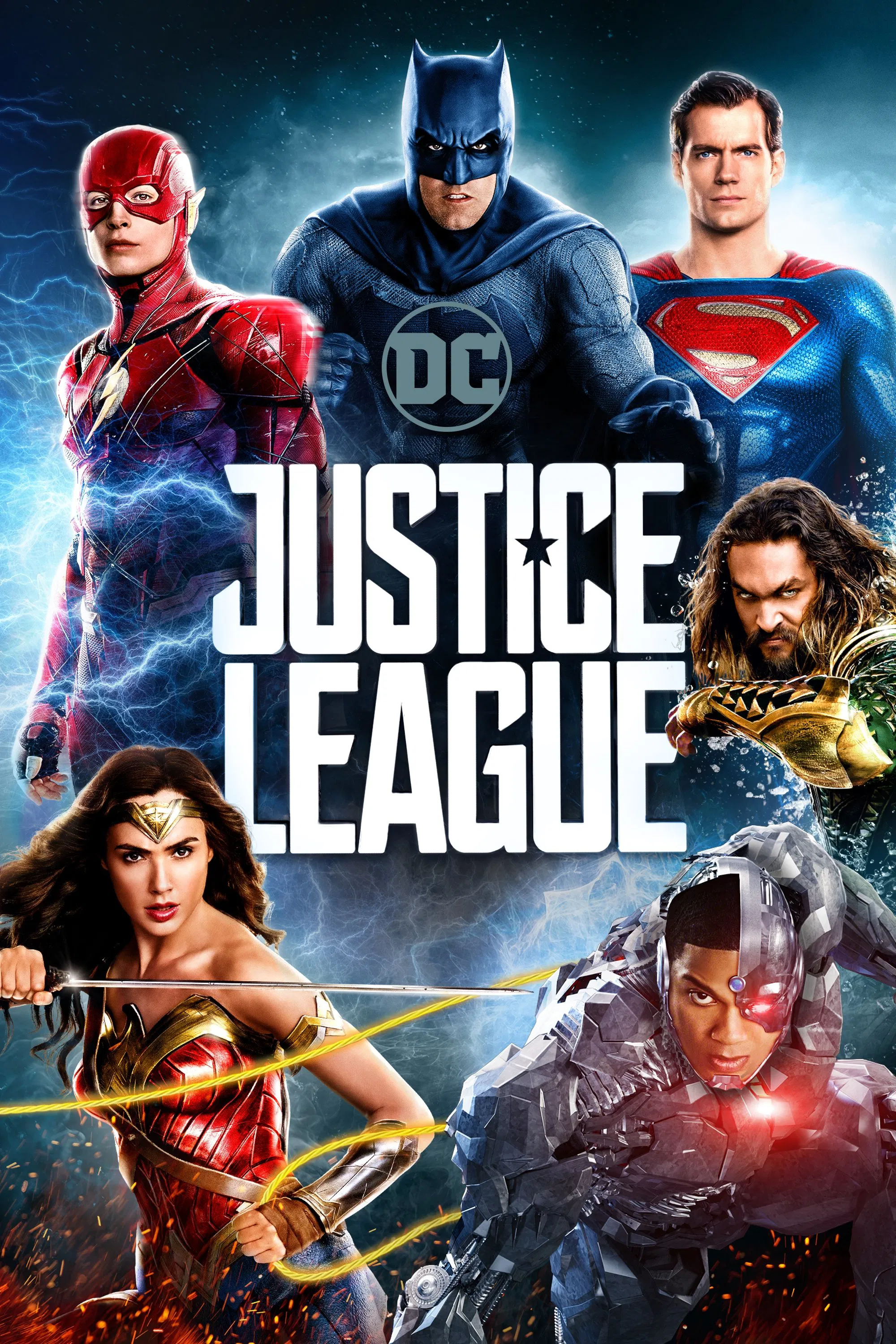 Film News Ben Affleck Calls Justice League the Low Point of His Career Ben Affleck says the Justice League experience was the low point of his career, criticizing Warner Bros. over Zack Snyder’s exit and the reshoots. Read the story →
Articles
Latest on Every Movie Plug
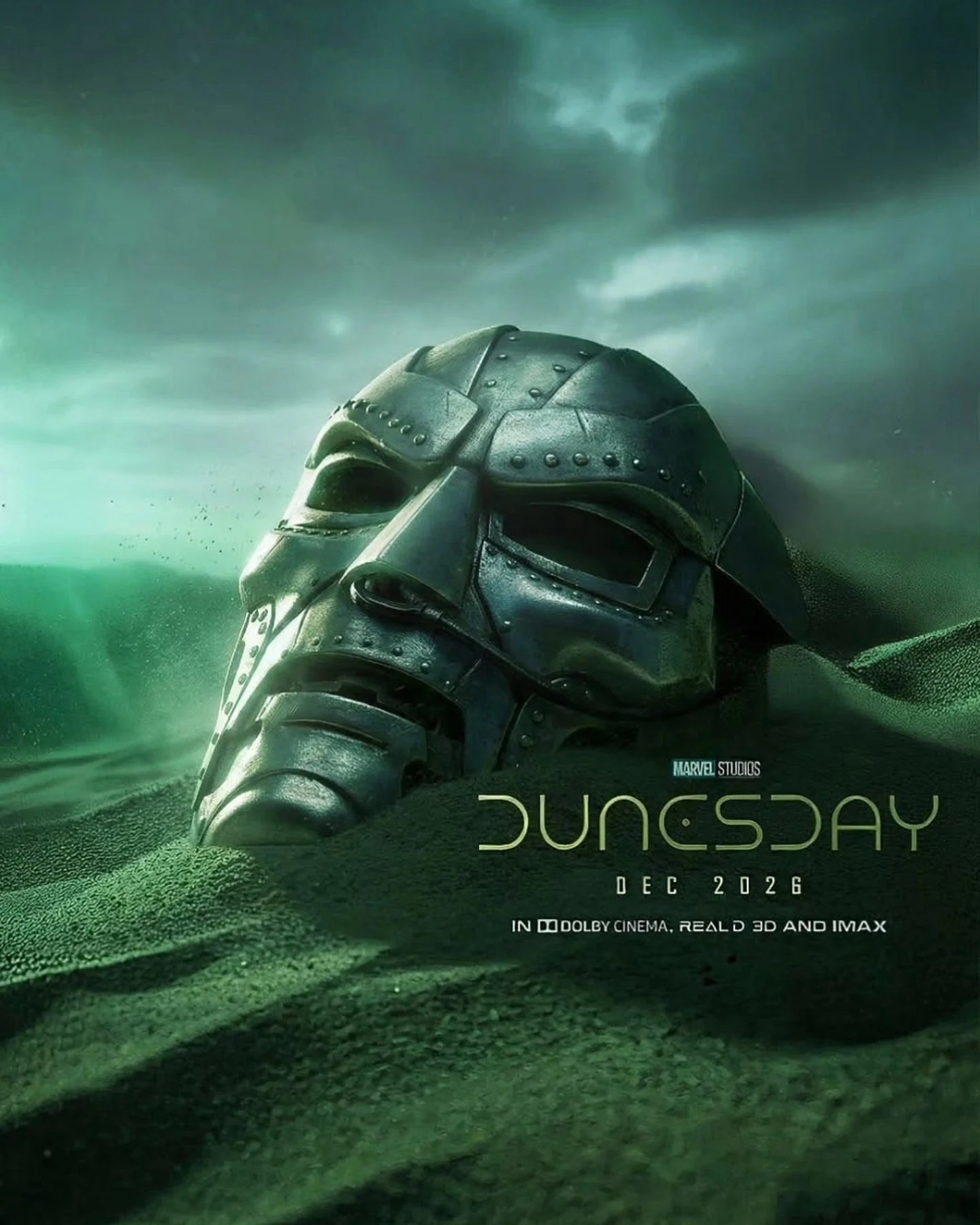 Article Dunesday Survival Guide: How to Watch Dune: Part Three and Avengers: Doomsday, and Which to See First Dune: Part Three and Avengers: Doomsday both open December 18, 2026. Runtimes, IMAX and premium formats, tickets, and which film to watch first. Read the story →
 Article When Movie Villains Were Right: 10 Antagonists Who Had a Point Ten movie villains who lost on screen but won part of the argument, from Killmonger and Magneto to Thanos and Roy Batty. Read the story →
 Article Today in Cinema, November 11: Seven Ways Black Panther: Wakanda Forever Honors Chadwick Boseman Black Panther: Wakanda Forever opened November 11, 2022. Seven ways Ryan Coogler’s film honors Chadwick Boseman, from a silent Marvel logo to Shuri’s final choice. Read the story →