Today in Cinema looks at one major Hollywood film from movie history: how it was made, how it was received and why it is still discussed.
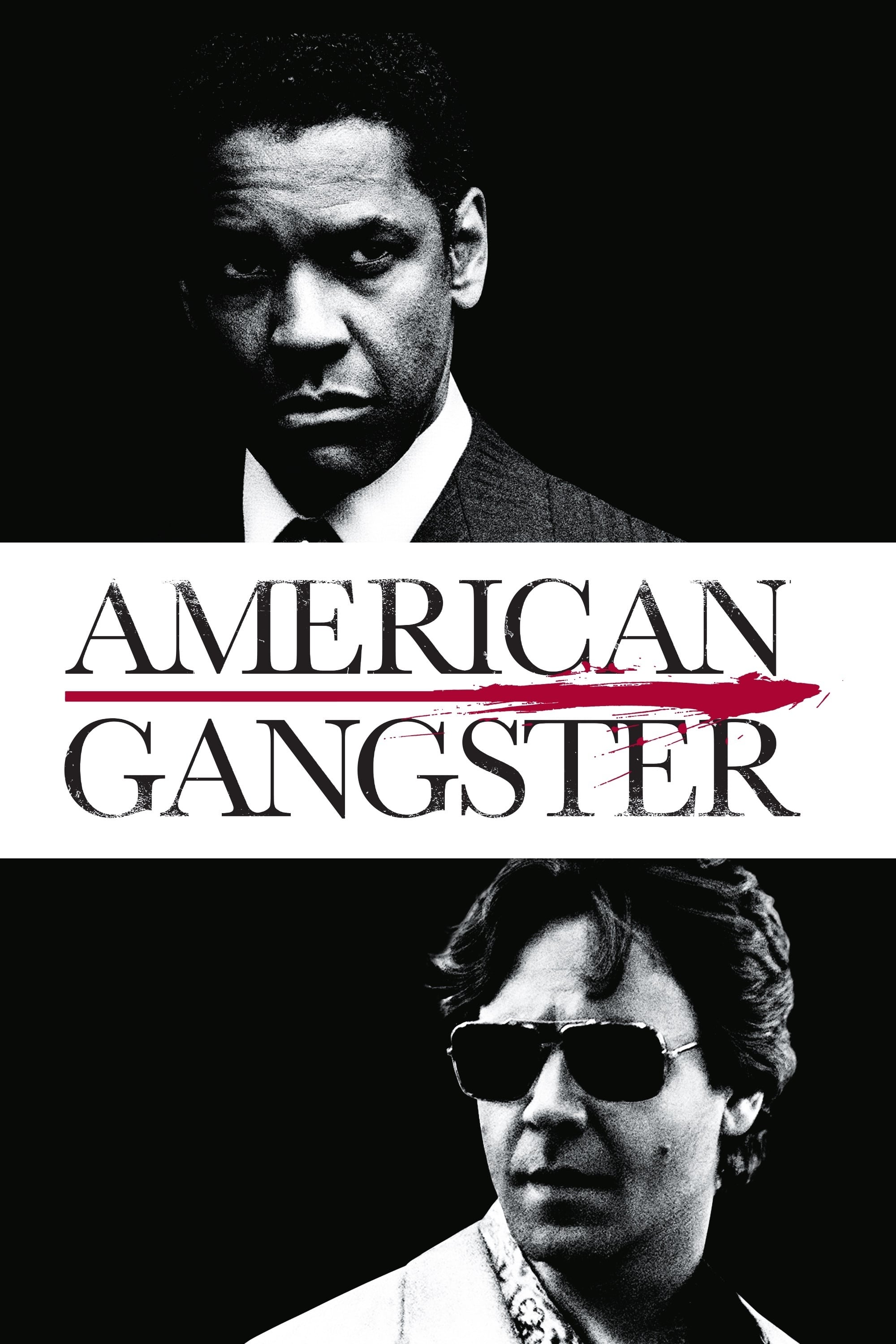
On November 2, 2007, a three-hour crime epic about a Harlem heroin dealer opened in more than 3,000 American theaters, and it did something its own studio had spent years doubting it could do. American Gangster went to number one. It gave Denzel Washington and Russell Crowe the biggest opening weekends of their careers, it became Ridley Scott’s highest-grossing film at that point, and it turned the story of a North Carolina-born trafficker named Frank Lucas into one of the best-known pieces of American crime mythology.
The route there was anything but smooth. The project had been bought, shelved, cancelled, revived and handed from director to director across seven years, at one point costing Universal an estimated $30 million without a single scene reaching an audience. Nineteen years on, this edition of Today in Cinema looks at how the film was finally made, what it got right and wrong about the real people, how it performed on opening weekend and beyond, and why critics who agree on its craft still disagree about its conscience.
A note on spoilers: the story is drawn from widely reported public history, and this article describes its structure and general outcome without walking through the final confrontation scene by scene.

American Gangster at a Glance
| US release date | November 2, 2007 |
|---|---|
| Premiere | Apollo Theater, Harlem, in the days before release |
| Director | Ridley Scott |
| Screenplay | Steven Zaillian, from the New York magazine article “The Return of Superfly” by Mark Jacobson |
| Starring | Denzel Washington, Russell Crowe, Chiwetel Ejiofor, Josh Brolin, Cuba Gooding Jr., Ruby Dee, Ted Levine, Armand Assante |
| Cinematography | Harris Savides |
| Editor | Pietro Scalia |
| Music | Marc Streitenfeld |
| Producers | Brian Grazer and Ridley Scott |
| Distributor | Universal Pictures |
| Running time | 157 minutes |
| Budget | About $100 million |
| Worldwide gross | About $266 million to $270 million, depending on the tracker |
Two Men, One City and Almost No Shared Scenes
The film opens in 1968, when Frank Lucas (Washington) is the driver, collector and shadow of Ellsworth “Bumpy” Johnson, the longtime power in Harlem’s underworld. When Johnson dies, Lucas sees an opening. Instead of buying heroin from the Italian-American families that controlled the supply, he travels to Southeast Asia, buys at the source and arranges to move the product into the United States through the Vietnam War supply chain. He sells it under the brand name Blue Magic, cheaper and purer than the competition, and within a few years he is the most powerful dealer in New York.
The second half of the story belongs to Richie Roberts (Crowe), a Newark detective who is shunned by colleagues after turning in nearly a million dollars he found in a mobster’s car. When his partner dies of an overdose, Roberts is handed a small task force and told to go after the suppliers. The two men circle each other for most of the running time. Their first real encounter arrives only about twenty minutes before the end, a structural gamble that Scott and his writers worked hard to make pay off by cutting between the two lives, one built on a family business and the other falling apart in a custody dispute.
That split structure is the film’s signature. It is a gangster picture in the tradition of Scarface and The Godfather, but it is also a procedural, a business story and a study of two men who live by opposing codes and share an unusual discipline. For more on how a director’s habits shape a genre, see Five Directors, Five Visions: The Signature Styles of Hollywood’s Defining Filmmakers on Every Movie Plug.
From a Magazine Feature to a Seven-Year Saga
The rights were bought in 2000, when Universal and Imagine Entertainment acquired Mark Jacobson’s New York magazine piece about the rise and fall of Frank Lucas. Two years later screenwriter Steven Zaillian delivered a script of about 170 pages to Ridley Scott, who liked it enough to imagine two films but chose to make Kingdom of Heaven first. Zaillian’s interest was not just in the crime. He read the story as one about American business and race, and he wrote the script as a corporate tale in which the product happens to be heroin.
In late 2003 the studio talked to Brian De Palma about directing a version then called Tru Blu. By March 2004 the plan had shifted to Antoine Fuqua as director, with Washington as Lucas, and in May Benicio del Toro was in talks to play Roberts. Production was set to begin that fall, and the film acquired its final title.
Then the budget moved. Universal approved the film at around $80 million, and the number climbed past $90 million as the studio tried to cut costs by shooting in Toronto and was told that New York tax credits made the home city cheaper after all. Fuqua wanted to shoot a Vietnam sequence in Thailand and to cast recognizable names in small roles, and he was still rewriting during pre-production. On October 1, 2004, about four weeks before cameras were to roll, he was fired for what the studio called creative differences. Peter Berg was approached to take over and Washington approved, but the studio cancelled the film within days. Because the principal actors were on pay-or-play contracts, the cancellation reportedly cost Universal about $30 million, including roughly $20 million to Washington and $5 million to del Toro.
The project did not stay dead. In 2005 Terry George was brought in to rewrite and direct on a target budget of about $50 million, and Will Smith was approached as a possible replacement for Washington. George cut locations and characters to save money, and Grazer concluded that the story could not be told properly without them. By February 2006 Scott was back in talks, this time ready to make it, and he returned to Zaillian’s draft. Washington came back, Crowe signed on, and the film finally had a start date in summer 2006.
The reshuffles around Lucas and Roberts are the kind of casting what-ifs collected in 10 Actors Who Turned Down Roles That Became Legendary. Berg, meanwhile, ended up in a very different corner of crime and war storytelling; Every Movie Plug covers his latest work in Call of Duty Movie Is About the Cost of War and Being a Warrior, Director Says and The Mosquito Bowl Opens October 30: Cast, Release Date and What Critics Are Saying.
Why Washington and Crowe Said Yes
Washington was not a natural fan of gangster films. What drew him to Lucas, by his own account, was the shape of the character’s life, and in particular the price the man eventually paid. He has said that he did not see the role as glorifying anything, since by the time he met the real Lucas, the man no longer looked glorious. Crowe had a different reason to be in the room: he had worked with Scott on Gladiator and A Good Year, and the two had talked about the script while shooting in France. Washington wanted to work with Crowe again, more than a decade after Virtuosity, where the two had played opposite roles of hunter and hunted.
Both actors prepared by meeting the men they would play. Washington adopted Lucas’s Southern accent, while Crowe asked for tape recordings of Roberts so that he could match the detective’s speech and body language. Around them, Scott assembled a deep supporting bench: Chiwetel Ejiofor as Lucas’s brother Huey, Josh Brolin as the corrupt detective Nick Trupo, Cuba Gooding Jr. as the rival dealer Nicky Barnes, Ted Levine as Roberts’s captain, Armand Assante as a Mafia boss, and smaller turns from Idris Elba, John Hawkes, Norman Reedus and Carla Gugino. The rappers T.I., RZA and Common were added, partly to broaden the film’s appeal to younger audiences.
Ruby Dee, as Lucas’s mother, had only a handful of scenes. They were enough to earn her an Academy Award nomination and a Screen Actors Guild Award, and she is the emotional anchor of the family sequences.
Building 1970s New York Block by Block
Principal photography began in July 2006 and ran for roughly four months, with a final stretch in Thailand in late 2006, including Chiang Mai. The shoot used over 180 locations, which the production claims set a record for a single film, and all five New York boroughs were used. Between fifty and sixty of those locations were in Harlem alone. Scott found some interiors that had hardly been touched since the 1940s, and production designer Arthur Max searched for blocks that still looked like the early 1970s, even shooting Lucas’s headquarters on 136th Street in place of the real 116th Street address because the original neighborhood had changed too much.
Scott deliberately avoided the glossy, flower-power version of the era. His memory of Harlem in that period was of beautiful brownstones falling apart, and he asked for a shabbier palette than most period films use. Hand-held cameras gave many scenes a guerrilla feel, and Washington’s Lucas moves through the story in a wardrobe that required 64 costume changes. The production design and costume work were later recognized with an Academy Award nomination for art direction, shared by Arthur Max and set decorator Beth A. Rubino.
Location-heavy productions with huge logistical demands are a recurring theme in film history, and 20 Movies That Were Almost Impossible to Film collects some of the most extreme examples.

The Sound of the Film: Soul, Blues and an Album That Almost Was a Score
Composer Marc Streitenfeld, who had worked with Scott on A Good Year, said the score needed to feel bigger and darker than the period setting alone would suggest. He recorded with an 80-piece orchestra in the spring of 2007 and, though it was not part of his original plan, added shades of blues and soul to suit the era. Hank Shocklee contributed additional score material. The soundtrack album released by Def Jam within a week of the film leaned on 1960s and 1970s records, including work by Bobby Womack, The Staple Singers, Sam & Dave and John Lee Hooker.
One of the more unusual footnotes in the film’s history involves Jay-Z. Washington reportedly pressed Grazer to invite the rapper to write the score, but the producer felt there would not be enough for him to do given the 1970s music plan. Jay-Z’s track “Heart of the City (Ain’t No Love)” had already been used in the trailer, and after he was invited to an early screening he decided to record a concept album inspired by the film, also titled American Gangster. He wrote songs in response to particular scenes, and the album arrived the same season, giving the film a musical companion that reached a younger audience.
Opening Weekend: Number One, a Leaked Copy and a Bee in the Room
Universal had reason to be nervous. More than two weeks before release, a screener copy leaked online. The studio had also spent heavily on a film that was not a four-quadrant, high-concept crowd-pleaser, a point Grazer himself acknowledged. On November 2, 2007, American Gangster opened in 3,054 theaters in the United States and Canada and took an estimated $43.6 million over the weekend, a per-theater average of about $14,264 and enough for first place. It was the biggest opening of both Washington’s and Crowe’s careers.
It faced the weekend’s other major launch, Jerry Seinfeld’s animated Bee Movie, and won the first round. In week two, the crime drama fell about 45 percent to roughly $24 million, and the bees took the top spot. By its third week it had passed $100 million, and it finished its North American run at about $130.2 million. Overseas, it opened in the United Kingdom on November 16 and beat Beowulf for the top place two weekends running, then expanded across Europe and Asia, including a $2.3 million opening in Japan, for a worldwide total reported between about $266 million and $270 million. It ranked 19th among 2007’s releases both at home and worldwide.
Those figures sit far below the franchise giants tracked in The Billion-Dollar Club: The 10 Highest-Grossing Movies of All Time, but for an R-rated, nearly three-hour period drama, they were a strong result. The film later topped the DVD sales chart in its first week in stores in February 2008, selling about four million units, more than three times as many as the runner-up, with an unrated extended cut adding 18 minutes and an alternative ending.
What Critics Said: Admiration, Reservations and a Few Hard Pans
The film was well received overall. Rotten Tomatoes reports an 81 percent approval rating from 218 reviews, with a consensus calling it a gritty, entertaining throwback to classic gangster films, and Metacritic gives it 76 out of 100 from 38 critics. Audiences polled by CinemaScore gave it a B-plus. It appeared on 54 critics’ ten-best lists for 2007, with three placing it first.
Roger Ebert gave the film four stars and praised Crowe’s contribution to the storytelling as enormous. Paul Byrnes of The Sydney Morning Herald also awarded four stars. Manohla Dargis of The New York Times admired the film but argued that Scott loved his bad guy too much, turning Lucas into a figure who seduces rather than repels, and she wrote that greatness hovered just outside it. IGN’s Jim Vejvoda found the human and class dimensions strong enough to justify yet another gangster story.
Not everyone was convinced. Peter Bradshaw of The Guardian gave two stars and felt that Washington never found the menace he had in Training Day. Empire’s Ian Freer called it undeniably enjoyable but said very little felt fresh. Entertainment Weekly’s Owen Gleiberman gave it a C-minus, and Slant Magazine’s Nick Schager was harsher still, awarding one star out of four. The criticism that recurs across these reviews is not about performance or design. It is that a film so polished and so respectful of its antihero risks leaving the cost of his trade offscreen.
The same argument was made about another widely praised drama from a different kind of director, and it is explored in Every Movie Plug’s When Movie Villains Were Right: 10 Antagonists Who Had a Point.
How Much of It Is True?
The film arrived with the phrase “based on a true story” hanging over it, and the real people involved quickly pushed back. Frank Lucas told several news outlets that only a small portion of the film was true and that much of it was invented for dramatic effect. Richie Roberts objected to the custody battle, since in real life he never had a child, and said the portrayal of Lucas was “almost noble.” Sterling Johnson Jr., the special narcotics prosecutor who helped arrest and try Lucas, said the film was one percent reality and ninety-nine percent Hollywood, and described the real Lucas as illiterate, vicious and violent.
The film’s epilogue produced a lawsuit. The closing text says that Lucas’s cooperation led to the arrest of many corrupt law enforcement officers, and three former DEA agents sued Universal, claiming the film defamed them and hundreds of colleagues. US District Judge Colleen McMahon dismissed the case. She described the end title as “wholly inaccurate” and suggested that a major corporation should not place inaccurate statements at the end of popular films, but she found that the movie did not show a single identifiable DEA agent, so it did not meet the legal standard for defamation.
Other pillars of Lucas’s legend have also been questioned, including his status as Bumpy Johnson’s right-hand man, his rise above the Mafia, and his role as architect of the Golden Triangle heroin connection. His biographer Ron Chepesiuk judged the story a myth. The debate about how far a historical drama can bend its facts is a perennial one, and it resurfaced in 2010 when the people behind Facebook responded to The Social Network; that argument is covered in Every Movie Plug’s Today in Cinema: The Social Network, the 2010 Film That Defined the Facebook Era.
Awards: Plenty of Nominations, One Standout Win
The film collected 21 award nominations by one count. At the 80th Academy Awards it earned two nominations, Best Supporting Actress for Ruby Dee and Best Art Direction, and won neither. Dee, however, won the Screen Actors Guild Award for Outstanding Performance by a Female Actor in a Supporting Role, and the cast was nominated for the guild’s ensemble honor.
At the Golden Globes it was nominated for Best Motion Picture, Drama, Best Director for Scott and Best Actor, Drama for Washington. The BAFTAs nominated it for Best Film, Original Screenplay, Cinematography, Music and Editing. It won the Empire Award for Best Thriller, and Pietro Scalia took the Satellite Award for Best Editing. That season belonged largely to other films, but the nomination spread shows how widely the craft was admired even where the story was disputed.
The Afterlife of Frank Lucas and a Genre That Kept Going
Lucas died in 2019, but his name has remained attached to the film. The movie helped fix a particular image of the 1970s Harlem drug trade in the public mind: the tailored coat, the family dinners, the discipline and the brand name. Later screen work about the era, including the television drama Godfather of Harlem, which revolves around Bumpy Johnson, has operated in the space the film opened.
For Scott and Washington, the film was not the end of their collaboration. Washington appeared in Scott’s Gladiator II in 2024, nearly two decades later. For Crowe, it extended a partnership with the director that had begun with Gladiator in 2000. The film also became a streaming staple: it landed on Netflix in September 2024 and found a new audience, though availability changes often, so check your local services before planning a watch.
Fans of the director’s contemporaries in the genre may also enjoy a related entry in this series. Dan Gilroy’s Nightcrawler approaches Los Angeles crime from a very different angle, as covered in Today in Cinema, October 31: Nightcrawler Opens on Halloween 2014.
Why American Gangster Still Holds Up
The film works because it respects the patience of its audience. It takes its time building the machinery of Lucas’s business, from the Thai suppliers to the neighborhood lieutenants to the bribes that keep the police at bay, and it lets the viewer see why the operation succeeds before showing why it cannot last. Washington plays Lucas as a man whose composure is his weapon, rarely raising his voice, and Crowe’s rumpled, stubborn Roberts supplies the counterweight.
It also endures as a record of a type of filmmaking that has become rarer: a big-budget, adult, original-looking drama based on an article rather than a franchise, released in the fall and expected to compete on performance and craft. Its flaws are visible, including its length, its familiar gangster beats and its generous treatment of its subject, but its best scenes still hold attention, and its central pairing remains one of the most watchable of the 2000s.
Frequently Asked Questions About American Gangster
When was American Gangster released?
It premiered at the Apollo Theater in Harlem in the days before release and opened in United States theaters on November 2, 2007.
Is American Gangster a true story?
It is loosely based on the criminal career of Frank Lucas and the detective Richie Roberts, but both men and several other people involved said that much of the film was fictionalized, and parts of Lucas’s own account have been questioned.
Who directed American Gangster?
Ridley Scott directed and co-produced the film from a screenplay by Steven Zaillian. Antoine Fuqua, Brian De Palma, Peter Berg and Terry George were all attached at earlier stages of development.
How much money did American Gangster make?
It grossed about $130.2 million in the United States and Canada and roughly $266 million to $270 million worldwide, depending on the source, against a budget of around $100 million.
Did American Gangster win any Oscars?
No. It received two nominations at the 80th Academy Awards, for Best Supporting Actress (Ruby Dee) and Best Art Direction, but did not win either.
How long is American Gangster?
The theatrical version runs 157 minutes. The unrated extended edition adds about 18 minutes and an alternative ending.
Conclusion
Nineteen years after it opened, American Gangster is best understood as two films in one: a handsomely crafted portrait of two disciplined men on opposite sides of the law, and a contested version of real events that its own subjects disowned. It survived a cancelled production, a director change, a leaked screener and a crowded fall slate to become a hit, and it still prompts the question every true-crime drama invites, which is how much invention an audience will forgive in exchange for a good story.
Today in Cinema returns with another film from movie history.
News
Latest on Every Movie Plug
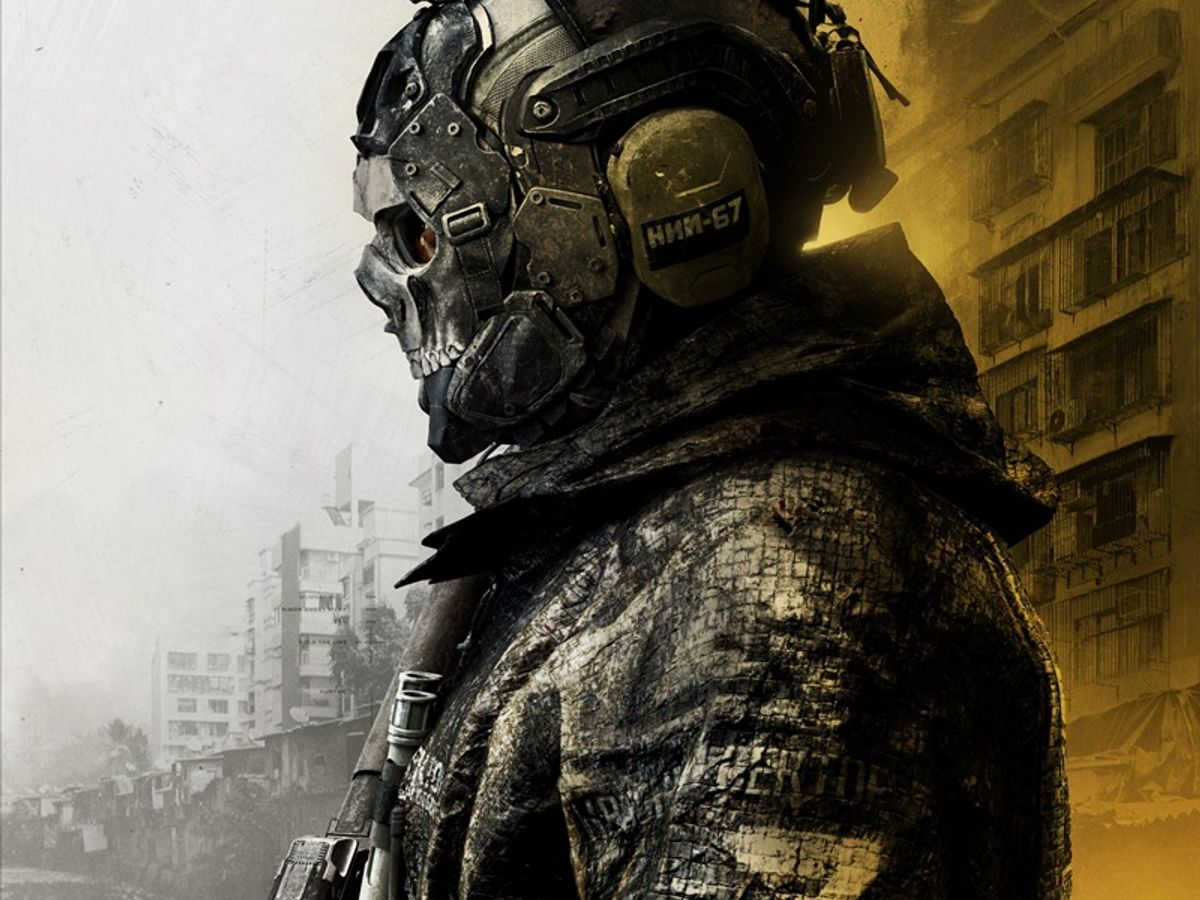 Film News Call of Duty Movie Is About the Cost of War and Being a Warrior, Director Says Director Peter Berg says the Call of Duty movie is about the cost of war and having to be a warrior, and that the characters are not comic books or cartoons. Read the story →
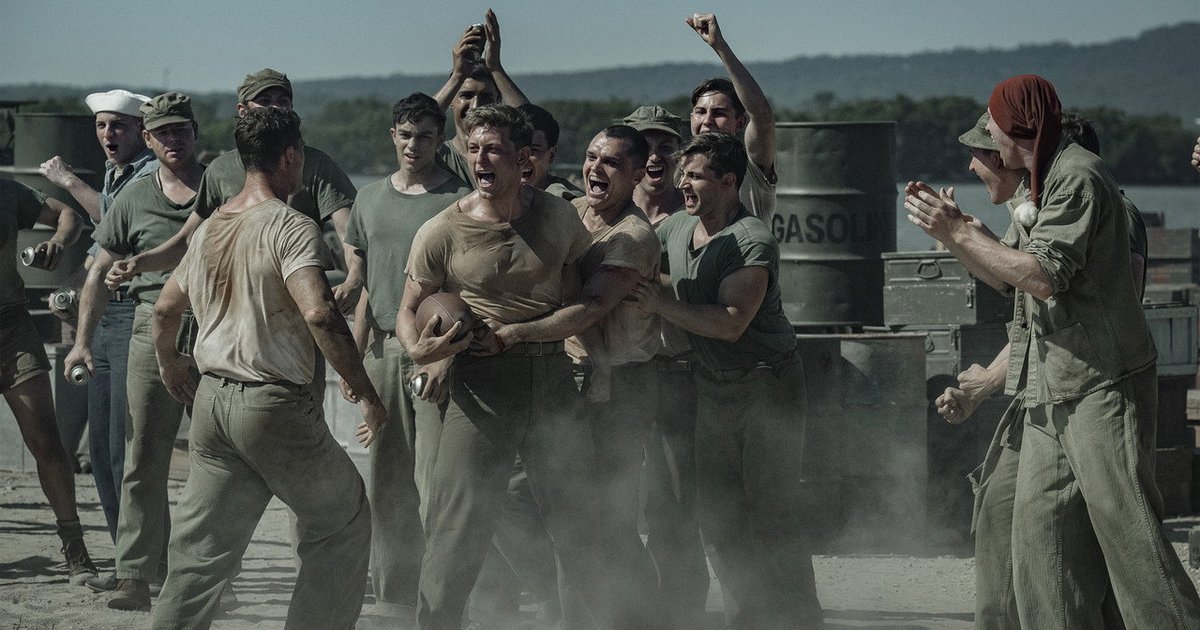 Film News The Mosquito Bowl Opens October 30: Cast, Release Date and What Critics Are Saying Peter Berg’s World War II drama The Mosquito Bowl opens in theaters October 30 and streams on Netflix November 25. The cast, the true story behind the game and the first critic reactions. Read the story →
 Film News Who Will Be the Next James Bond? Casting Reportedly Narrows to a Short List Reports name Jack Lowden, Jacob Elordi, Callum Turner and Josh O’Connor among the actors in the running for James Bond, with final screen tests reportedly set for the coming week. Read the story →
Articles
Latest on Every Movie Plug
 Article 10 Actors Who Turned Down Roles That Became Legendary Hollywood history turns on sliding-door moments. These are the casting rejections that reshaped blockbuster cinema and handed other stars their defining parts. Read the story →
 Article Five Directors, Five Visions: The Signature Styles of Hollywood’s Defining Filmmakers The signature styles of five defining modern filmmakers: Steven Spielberg, Martin Scorsese, Christopher Nolan, Quentin Tarantino and James Cameron. Read the story →
 Article When Movie Villains Were Right: 10 Antagonists Who Had a Point Ten antagonists who lost on screen but won part of the argument. Read the story →
Image, Video and Embed Credits
- Lead promotional image: Universal Pictures and Imagine Entertainment, via TMDB
- Theatrical poster: Universal Pictures, via TMDB; see also the title page on IMDb
- Denzel Washington production still: Universal Pictures, via Digital Trends
- Related-story thumbnails: Every Movie Plug
References and Further Reading
- Film overview, development, production, release, reception and legal dispute: American Gangster, Wikipedia
- Box office and release data: The Numbers; Box Office Mojo; The Guardian on the UK opening
- Critical reception: Rotten Tomatoes; The New York Times; The Guardian; Screen Daily
- Development and the 2004 cancellation: Entertainment Weekly; Los Angeles Times
- Jay-Z and the concept album: The New York Times
- The DEA lawsuit: ABC News and Reuters
- Streaming note: Tom’s Guide