Today in Cinema looks at one major film from movie history that reached audiences on this date: how it was made, how it was received and why it still matters.
On November 3, 1954, Japanese audiences lined up for a film unlike anything their country’s studios had made. A giant, radioactive creature rose from the sea, flattened Tokyo and made a nation that had lived through firebombing and atomic attack relive it on screen. Godzilla, known in Japan as Gojira, opened nationwide that day after an initial run in Nagoya the week before. It broke Toho’s opening-day record, and it started a franchise that Guinness World Records recognizes as the longest-running in film history.
Seventy-two years later, the date has taken on a life of its own. November 3 is celebrated by fans as Godzilla Day, and this year it carries extra weight: Toho’s new sequel, Godzilla Minus Zero, opens in Japan today and reaches North America on Friday. This edition of Today in Cinema goes back to the beginning, from the failed production that made room for the monster to the effects, the score and the political fears that made it a serious film rather than a creature feature.
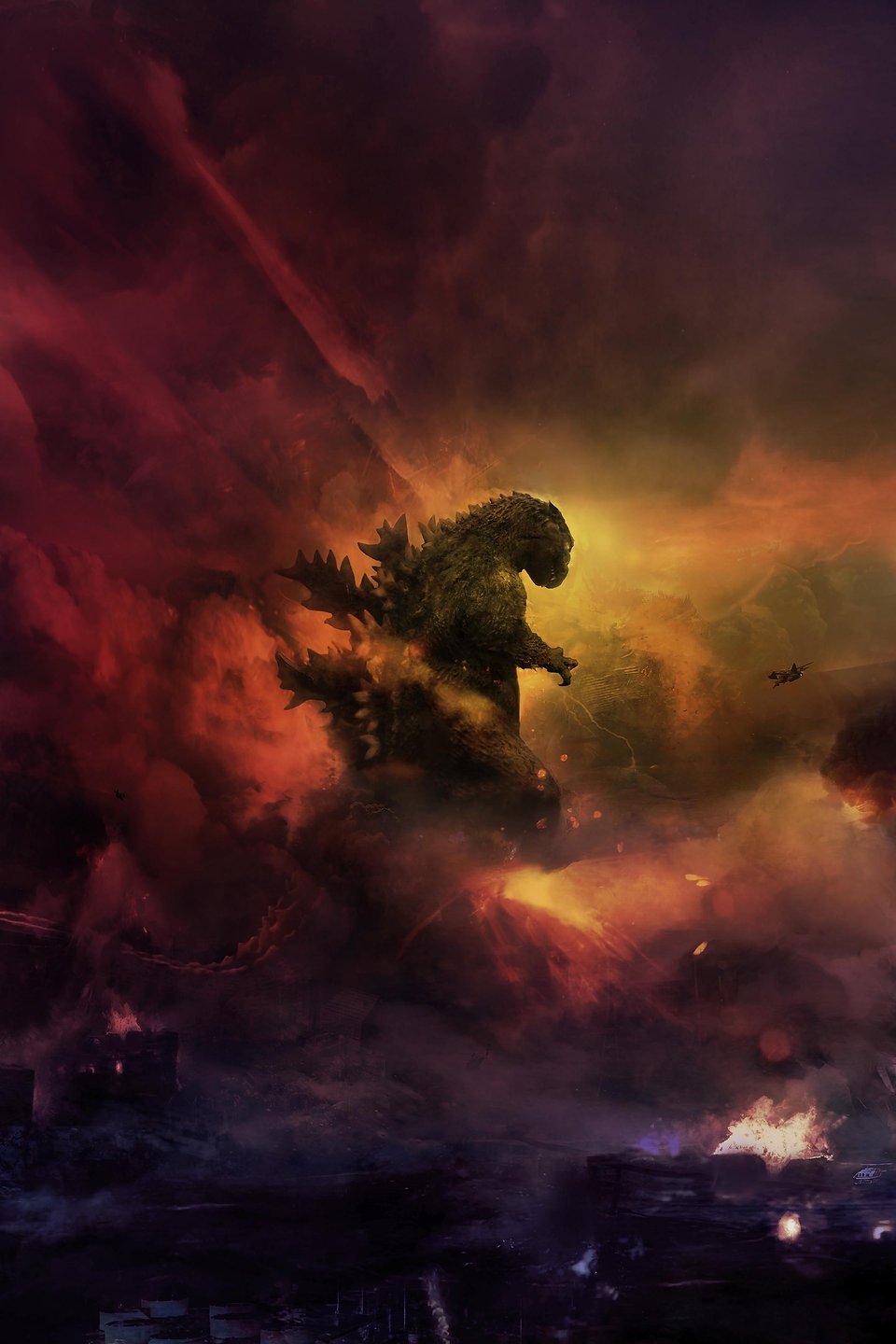
Godzilla (1954) at a Glance
| Original title | Gojira (ゴジラ) |
|---|---|
| Release | Premiered in Nagoya on October 27, 1954; released in Japan on November 3, 1954 |
| Director | Ishirô Honda |
| Special effects | Eiji Tsuburaya |
| Producer | Tomoyuki Tanaka |
| Story | Shigeru Kayama; screenplay by Takeo Murata and Ishirô Honda |
| Music | Akira Ifukube |
| Starring | Akira Takarada, Momoko Kôchi, Akihiko Hirata, Takashi Shimura; Haruo Nakajima and Katsumi Tezuka as Godzilla |
| Studio | Toho |
| Running time | 96 minutes |
| Budget | About ¥62.9 million (roughly $900,000) |
| Box office | ¥183 million in distributor rentals in Japan; about $2.25 million in lifetime gross receipts |
A Film Born From a Failure
Godzilla exists because another film collapsed. In 1954 Toho was preparing In the Shadow of Glory, a Japanese-Indonesian co-production that was to be shot in color in Jakarta. Anti-Japanese sentiment in Indonesia and unresolved wartime reparations disputes led to visas being denied, and the project fell apart. Producer Tomoyuki Tanaka flew to Jakarta to try to rescue it and failed.
On the flight home, he sketched something very different. Two commercial hits had shown that monsters could draw crowds: the 1953 American film The Beast from 20,000 Fathoms and the 1952 re-release of King Kong, which earned more than its earlier runs. Nuclear anxiety was also constantly in the news. Tanaka’s outline carried the working title The Giant Monster from 20,000 Leagues Under the Sea, and it won approval from executive producer Iwao Mori in mid-April 1954 once special effects director Eiji Tsuburaya agreed to take part.
The project was classified inside the studio and renamed Project G, for “giant.” Mori kept reporters off the set and kept the effects methods secret, while running a publicity campaign that included an eleven-episode NHK radio drama, a Godzilla doll driven around Tokyo on a truck and advertising balloons flown over major cities.
The Fishing Boat That Changed the Story
The film’s timing is the reason it landed so hard. On March 1, 1954, the Japanese fishing vessel Daigo Fukuryû Maru, or Lucky Dragon No. 5, was showered with fallout from the American Castle Bravo hydrogen bomb test at Bikini Atoll, a 15-megaton explosion. The crew fell ill, one man eventually died of radiation sickness, and the boat’s catch was contaminated, setting off a panic over whether fish was safe to eat. The incident fed a mass anti-nuclear movement that had gathered 30 million signatures on a petition by August 1955.
The film’s opening, in which an unseen force destroys a Japanese ship at sea, deliberately recalls that event. Writer Shigeru Kayama, who accepted the assignment on May 12, 1954, was initially hesitant because he considered the subject too sensitive, but he was drawn to the chance to protest nuclear weapons. His treatment began with a voice-over criticizing the 1952 and 1954 hydrogen bomb tests, followed by real footage of the Lucky Dragon aftermath. Director Ishirô Honda later toned that opening down, deciding it would be inappropriate to exploit a real tragedy so directly, and he wanted Godzilla to read as an “invisible fear” instead.
Why Honda Said Yes When Others Said No
Honda was not Toho’s first choice. Senkichi Taniguchi, who had been attached to the cancelled co-production, declined, and several other directors reportedly passed because they thought the idea was foolish. Honda, a friend of Akira Kurosawa who had served as a soldier and been held as a prisoner of war, accepted for two reasons: he was curious about science and unusual subjects, and he believed he could take the material seriously. Producer Tanaka thought Honda’s wartime experience made him the right person to handle the anti-nuclear themes.
The filmmakers agreed early on a governing rule: treat the monster attack as if it were real news. Science fiction had little critical respect in Japan, so Honda, Tanaka and Tsuburaya chose a documentary tone, with serious scientists, parliamentary debates and hospitals filled with the injured. Honda and co-writer Takeo Murata wrote the screenplay in about three weeks, shut away in a Tokyo inn in Shibuya, and they added the love triangle among Emiko, Ogata and the reclusive scientist Serizawa that gives the film its emotional core.
On the first day of shooting, Honda read the script to a crew of about 30 and told anyone who was not convinced to leave. Principal photography took 51 days, with a separate 71 days devoted to special effects. The Odo Island scenes were shot on the Shima Peninsula in Mie Prefecture, where the crew commuted each morning by boat, and Honda, working shirtless, suffered a sunburn that left permanent scars on his back.
How a director’s sensibility shapes a monster film is a topic Every Movie Plug explores in Five Directors, Five Visions: The Signature Styles of Hollywood’s Defining Filmmakers, which includes Steven Spielberg, who has cited Godzilla as an influence on Jurassic Park.
A Man in a Rubber Suit, and Why It Worked
Tsuburaya had a very different idea of how to bring the monster to life. A veteran of wartime miniature work, he had been blacklisted from the film industry during the American Occupation and was rehired as a contractor after it ended. He wanted to use stop-motion animation, as in King Kong, but calculated that Toho’s staff and facilities would need seven years to finish the film that way. He settled, reluctantly, on a technique that became known as suitmation: a performer in a costume moving through detailed miniature sets.
The creature was designed by Teizô Toshimitsu and Akira Watanabe, who worked from dinosaur books and magazines and combined elements of a Tyrannosaurus, an Iguanodon and the dorsal plates of a Stegosaurus. The name Gojira is usually explained as a blend of the Japanese words for gorilla and whale, though stories about its origin, including a rumor about a burly Toho employee, remain disputed. The English spelling Godzilla is believed to have been created for export.
The suit was built on a frame of bamboo and wire, covered in metal mesh and cushioning, then coated in latex and molten rubber. The first version weighed about 100 kilograms, or 220 pounds. At the first fitting, performer Haruo Nakajima fell over, and even after a lighter second suit was made for full-body shots he could stay inside for only about three minutes before nearly passing out. Nakajima lost roughly 20 pounds during production, and the crew had to dry the sweat-soaked lining every morning. He went on to play Godzilla and other monsters until 1972.
The miniature work was equally demanding. A scaled-down Ginza took a month and 30 to 40 carpenters to build, most buildings were made at a 1:25 scale, and the National Diet Building was built smaller, at 1:33, so that it would look dwarfed by the monster. Some miniatures were wired with explosives or sprayed with gasoline so they would burn, while Godzilla’s glowing dorsal fins were produced by hand-drawn animation. About 400 additional staff were hired for optical work, and half of them were part-timers with little experience. The resulting scenes of fire, collapsing towers and panic are the reason the film is still regarded as a landmark of practical effects.
For more on films whose practical ambition pushed their crews to the limit, see 20 Movies That Were Almost Impossible to Film.
The Roar, the March and the Sound of Dread
Composer Akira Ifukube had only about a week to write his score and was not shown a finished film, only a model of the creature and the screenplay. He later said he could hardly sit still when he learned the lead character was a reptile rampaging through a city. Working from a description of the scenes, he wrote low, heavy music for brass and strings, and he introduced themes that the series would return to for decades, including the military march that he himself came to call Godzilla’s theme.
The monster’s roar was a sound-design experiment. Recordings of real zoo animals were tried and rejected. Ifukube instead borrowed a double bass from a university music department, loosened the strings and rubbed them with a resin-coated leather glove, then slowed the recording down. Toho adopted the technique as a standard way to produce monster roars in later films. The music and the sound effects for the Tokyo rampage were recorded live at the same time, as Ifukube conducted the NHK Philharmonic while foley artists watched the footage on a screen and created crashes with tin, wood and concrete rubble. A missed cue meant starting over.
Opening Day: A Record in Tokyo
Before release, skeptics predicted a flop. The film opened in Nagoya on October 27 and reached major cities on November 3, and on its first day it sold 33,000 tickets at Toho’s Tokyo cinemas, a record for any Toho film, and filled the Nichigeki Theater. Toho’s chief executive phoned Honda personally to congratulate him. His wife later remarked that such a call was not normal.
Over its run in Japan, the film sold about 9.69 million tickets and ranked as the eighth best-attended film of 1954. It earned ¥183 million in distributor rentals, making it the eighth-highest-grossing Japanese film of the year, on a production budget of about ¥62.9 million. Adding prints and advertising, the total cost came to about ¥100 million. That year’s top prize at the Japanese Movie Association Awards for best picture went to Kurosawa’s Seven Samurai, while Godzilla won best special effects.
Success was not a guarantee of acclaim. Japanese reviews were mixed. Some critics accused the film of exploiting the country’s wartime suffering and the Lucky Dragon incident, and Honda recalled that it was dismissed as “grotesque junk.” He believed Japanese opinion began to change only after the film received serious notices in the United States.
What the Monster Meant
The film’s central idea is simple and unsettling: Godzilla is awakened by hydrogen bomb testing, and nothing the military does can stop it. Honda filmed Godzilla’s attack on Tokyo in a way that echoes the bombings of Hiroshima and Nagasaki, and the aftermath, with crowded shelters, injured children and survivors suffering from radiation sickness, was deliberately sobering. Tanaka described the theme as the terror of the bomb, with nature taking revenge on humanity for creating it.
Scholars have also read the monster as a victim. Anne Allison, Thomas Schnällbacher and Steve Ryfle have argued that Japanese audiences could see their own wartime experience in Godzilla, a creature wounded and displaced by human action. A separate interpretation, popularized in the 1990s, views Godzilla as an onryô, a vengeful spirit, representing soldiers killed in the Pacific War. The composer Ifukube endorsed that reading, and director Shusuke Kaneko used it in a 2001 sequel.
The film also asks a harder moral question through Dr. Serizawa, whose secret invention could destroy Godzilla but could also be used as a weapon by the world’s powers. His decision, and the way the story handles it, gives the ending a sorrow that few monster films have matched. The same instinct, that the “monster” may be the character we understand best, links the film to the antagonists collected in When Movie Villains Were Right: 10 Antagonists Who Had a Point.
The Americanized Version, and Fifty Years Without the Original
Outside Japan, audiences met a different film. Producer Joseph E. Levine bought the American rights for $25,000, and the picture was reworked as Godzilla, King of the Monsters!, released in the United States on April 27, 1956. It was trimmed to about 80 minutes, and new scenes with Canadian actor Raymond Burr, as an American reporter, were integrated with body doubles to make it appear that he was present in the original Japanese footage. Much of the political content was removed. The 1956 version earned about $2 million, more than the original had grossed in Japan.
For decades that edit was the only one most Western viewers and critics could see. A subtitled print circulated in Japanese-American neighborhood theaters and, from 1982, at art houses and festivals, but the uncut 1954 film was not officially available in the United States until Rialto Pictures released it on May 7, 2004, for the film’s 50th anniversary. It played on no more than six screens at a time and still grossed more than $412,000. Rialto repeated the tour in 2014 as Godzilla: The Japanese Original, and The Criterion Collection issued a restored edition in 2012, followed by a 4K Blu-ray on November 5, 2024. A 4K remaster was screened at Alamo Drafthouse locations on this date in 2021.
Honda was unaware that Godzilla had been re-edited until Toho released the American cut in Japan in 1957. Interestingly, he also credited American critics for helping Japanese critics see the original more seriously. By 1984 Kinema Junpo magazine had listed it among the top 20 Japanese films of all time.
How Critics Rank It Now
The reappraisal has been thorough. On Rotten Tomatoes the film holds a 94 percent approval rating from 78 reviews, and Metacritic gives it 79 out of 100. The Guardian’s Peter Bradshaw awarded four stars and praised its muscular storytelling, Time Out also gave four stars, and Slant Magazine gave a perfect score, describing it as the equivalent of a landmark postwar drama for the monster genre. The Daily Telegraph called it a sober allegory aimed at an adult audience that remembered Hiroshima and Nagasaki.
There have been dissenters. Roger Ebert gave the film one and a half stars out of four and found the effects crude compared with King Kong, and some reviewers noted that the performances can feel melodramatic. Even so, it appears on many lists of the greatest monster, science fiction and foreign-language films, and the Visual Effects Society included it among the 70 most influential films in visual effects history in 2017. Kurosawa himself listed it among his 100 favorite films.
From Gojira to a 38-Film Franchise
The film’s sequel, Godzilla Raids Again, followed in 1955, and the franchise now spans 38 films, plus games, books, comics and toys. Guinness World Records recognizes it as the longest-running film franchise ever. The original and Tsuburaya are also widely credited with establishing the template for tokusatsu, the practical special-effects tradition that shaped Japanese television and film for generations.
Hollywood has revisited the monster repeatedly. Roland Emmerich’s 1998 version kept little beyond the idea of a radiation-created creature, while Gareth Edwards’s 2014 film deliberately drew on the 1954 original and its Hiroshima themes. The Legendary Pictures shared universe followed, but the most celebrated modern chapter came from Japan: Takashi Yamazaki’s Godzilla Minus One, released in Japan on November 3, 2023, and in the United States on December 1, 2023, which won the Academy Award for Best Visual Effects.
The scale of the franchise is part of a larger story about long-running film brands, a subject covered in Every Movie Plug’s The Billion-Dollar Club: The 10 Highest-Grossing Movies of All Time.
Godzilla Day 2026: Minus Zero Arrives
Toho chose carefully when to open its newest film. Godzilla Minus Zero, written and directed by Yamazaki, who also leads the visual effects, opens in Japan today, on Godzilla Day, exactly 72 years after the original. It is a direct sequel to Godzilla Minus One, set two years after that film’s events, with Ryunosuke Kamiki and Minami Hamabe returning. It is the first Japanese production and the first Toho-produced Godzilla film to be shot for IMAX, and it had its international debut at the New York Film Festival on September 26.
GKIDS, the distributor Toho acquired in 2024, releases the film across North America on Friday, November 6, with a Canadian rollout the same day. In the United Kingdom and Ireland, All the Anime is releasing it in IMAX and standard cinemas on November 6, in Japanese with English subtitles. Release dates for other territories have been announced separately by Toho, so check local listings.
The film arrives in a crowded season for large-format screens, which is covered in Every Movie Plug’s Dunesday Survival Guide: How to Watch Dune: Part Three and Avengers: Doomsday, and Which to See First. For viewers who want to prepare, the best preparation is the 1954 film itself: it runs 96 minutes, it is widely available in restored form, and it explains why audiences still return to this monster seven decades on.
How to Watch the Original Today
Viewers who want to see the film as Honda made it have more options than ever. The original Japanese version has been issued on 4K Blu-ray by Criterion, which also released both the Japanese and American cuts as part of a box set of the 15 Showa-era Godzilla films in 2019. Both cuts became available on HBO Max when the service launched in 2020. Availability on streaming services changes frequently, so check current listings before you plan a viewing.
If you are comparing versions, watch the Japanese film first. The 1956 American edit is an important historical document, but the original has the grim, controlled tone and the political edge that critics now prize. The contrast between them is a useful way to understand how a film can change meaning when it crosses a border.
Frequently Asked Questions About the 1954 Godzilla
When was the original Godzilla released?
It premiered in Nagoya on October 27, 1954 and was released in Japan on November 3, 1954, the date fans now celebrate as Godzilla Day.
Who directed the 1954 Godzilla?
Ishirô Honda directed and co-wrote the film. Eiji Tsuburaya led the special effects, Tomoyuki Tanaka produced it and Akira Ifukube composed the score.
What inspired the original Godzilla?
The film was inspired by American and Japanese nuclear fears, particularly the March 1954 Lucky Dragon No. 5 fishing boat incident, along with the success of The Beast from 20,000 Fathoms and the 1952 re-release of King Kong.
How was Godzilla brought to life in 1954?
Through suitmation: a performer, mainly Haruo Nakajima, wore a heavy latex suit and moved through detailed miniature sets built for the film. A smaller puppet was used for close-ups.
What is the difference between Gojira and Godzilla, King of the Monsters!?
Gojira is the 1954 Japanese original. Godzilla, King of the Monsters! is the 1956 American version, which is shorter, adds scenes with Raymond Burr and removes much of the original’s political content.
Is Godzilla Minus Zero out now?
It opens in Japan on November 3, 2026 and in North America and the UK on November 6, 2026.
The Monster That Never Left
Godzilla endured because the original film was about something larger than a monster. It gave a frightened country a way to look at its recent past, and it gave a studio a way to prove that special-effects spectacle could carry real emotion. Every later version, from the campy to the cataclysmic, owes something to what Honda, Tsuburaya, Tanaka and Ifukube achieved over a few months in 1954.
Today in Cinema returns tomorrow with another film from movie history. Previous entries include American Gangster, Nightcrawler and The Social Network.
News
Latest on Every Movie Plug
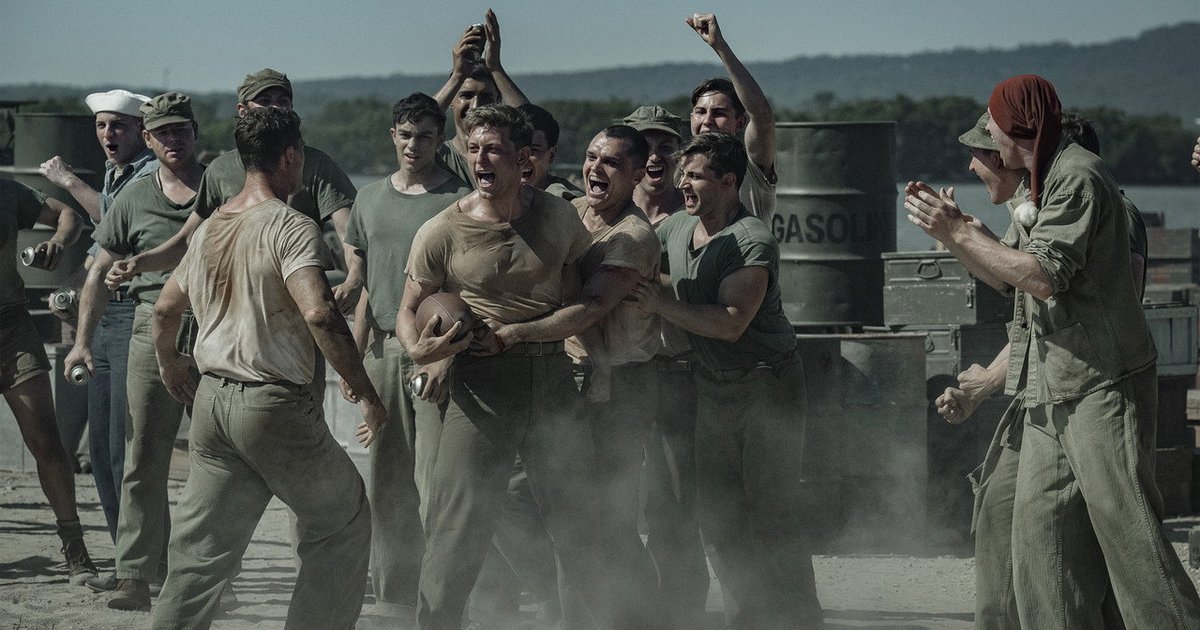 Film News The Mosquito Bowl Opens October 30: Cast, Release Date and What Critics Are Saying Peter Berg’s World War II drama The Mosquito Bowl opens in theaters October 30 and streams on Netflix November 25. The cast, the true story behind the game and the first critic reactions. Read the story →
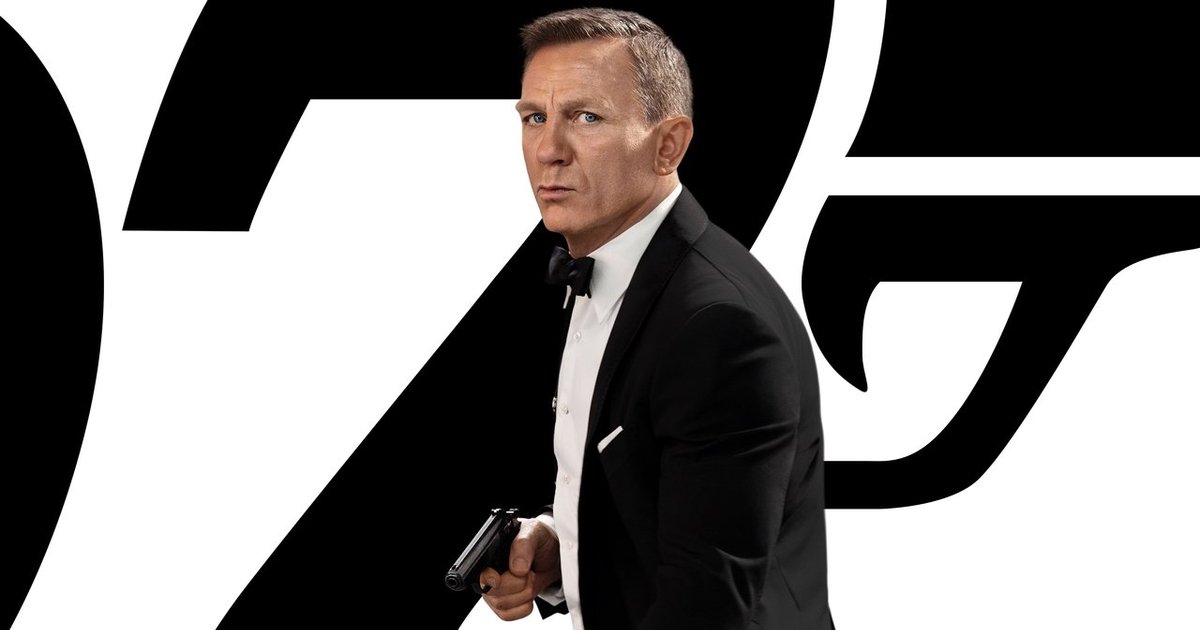 Film News Who Will Be the Next James Bond? Casting Reportedly Narrows to a Short List Reports name Jack Lowden, Jacob Elordi, Callum Turner and Josh O’Connor among the actors in the running for James Bond, with final screen tests reportedly set for the coming week. Read the story →
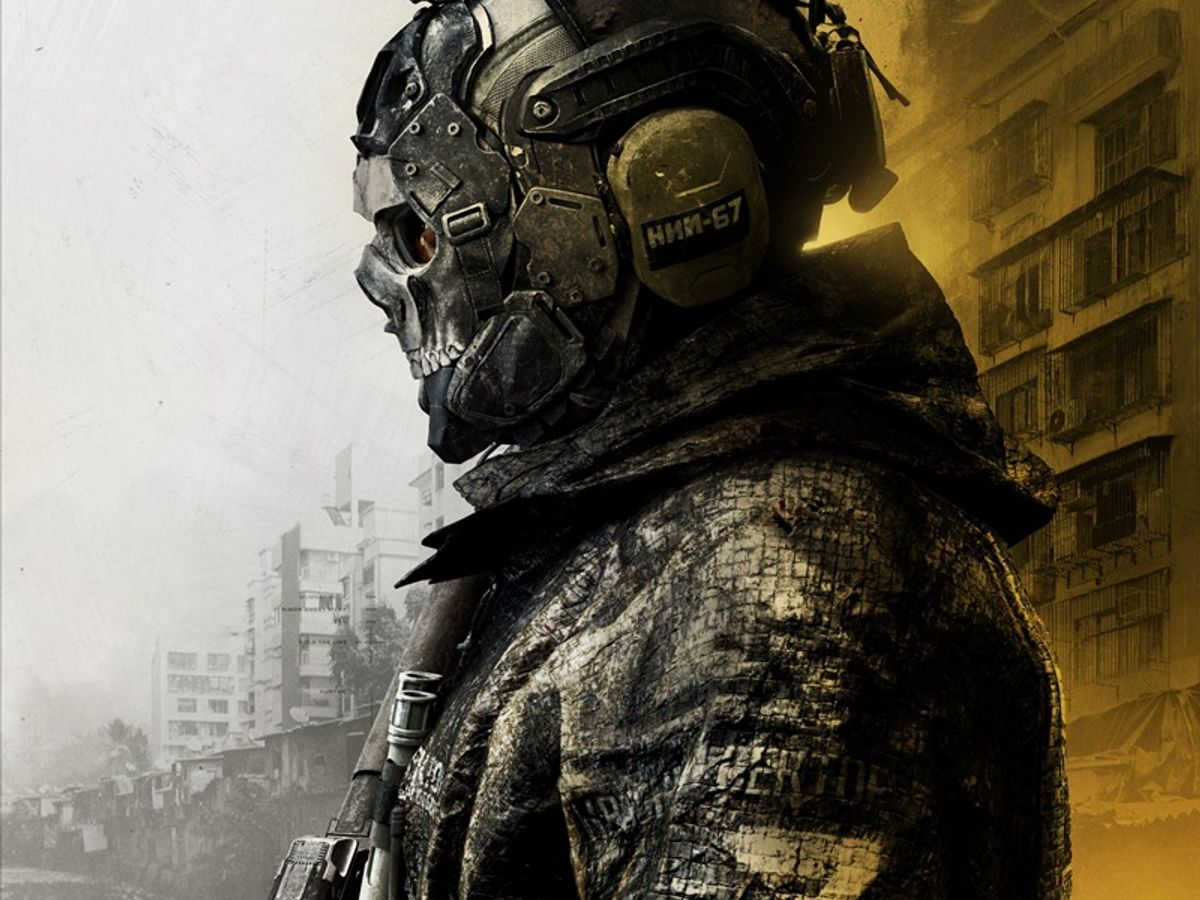 Film News Call of Duty Movie Is About the Cost of War and Being a Warrior, Director Says Director Peter Berg says the Call of Duty movie is about the cost of war and having to be a warrior, and that the characters are not comic books or cartoons. Read the story →
Articles
 Article Dunesday Survival Guide: How to Watch Dune: Part Three and Avengers: Doomsday, and Which to See First Two of the biggest films of the year open on the same Friday. Runtimes, IMAX and premium formats, tickets, and which film to see first. Read the story →
 Today in Cinema Today in Cinema, November 2: American Gangster Opens in 2007 and Makes a Myth of a Harlem Heroin Kingpin How a cancelled, recast and rebuilt crime epic became Ridley Scott’s biggest hit, what was true, and why critics still argue over it. Read the story →
 Article Five Directors, Five Visions: The Signature Styles of Hollywood’s Defining Filmmakers The signature styles of five defining modern filmmakers: Steven Spielberg, Martin Scorsese, Christopher Nolan, Quentin Tarantino and James Cameron. Read the story →
Image and Source Credits
- Lead promotional image: Toho Co., Ltd., via TMDB
- Related-story thumbnails: Every Movie Plug
References and Further Reading
- Production, release, box office, reception and legacy: Godzilla (1954 film), Wikipedia; Godzilla (franchise), Wikipedia
- Critical context and restoration: The Criterion Channel; The Criterion Collection; Encyclopædia Britannica
- The Lucky Dragon No. 5 incident and the film’s origins: 13th Dimension; Trey’s Tokusatsu
- Godzilla Minus Zero release details: GKIDS and TOHO; The Playlist; All the Anime; Godzilla Minus Zero, Wikipedia